

CoreWeave Inc. stocks have been trading down by -3.75 percent amid concerns over tightening AI chip supply and regulatory scrutiny.
Key Takeaways
- Shares of CRWV sank 12% after reports that its three co-founders unloaded $3.3B in stock since the March 2025 IPO, stoking insider-confidence and supply overhang worries.
- CoreWeave Inc. is posting explosive AI revenue and a massive GPU backlog, yet carries roughly $52B in loans and lease obligations with debt trading at distressed levels, flagging default and dilution risk.
- CRWV dropped more than 5% premarket on the insider-selling headlines, then slid another ~5% in a later pullback tied to popular Wallstreetbets names.
- Trading in CoreWeave has turned into a whipsaw: a 5.9% pop followed by a 3.9% premarket drop, plus shallow 1%–4% bounces alongside other meme-style AI and chip plays.
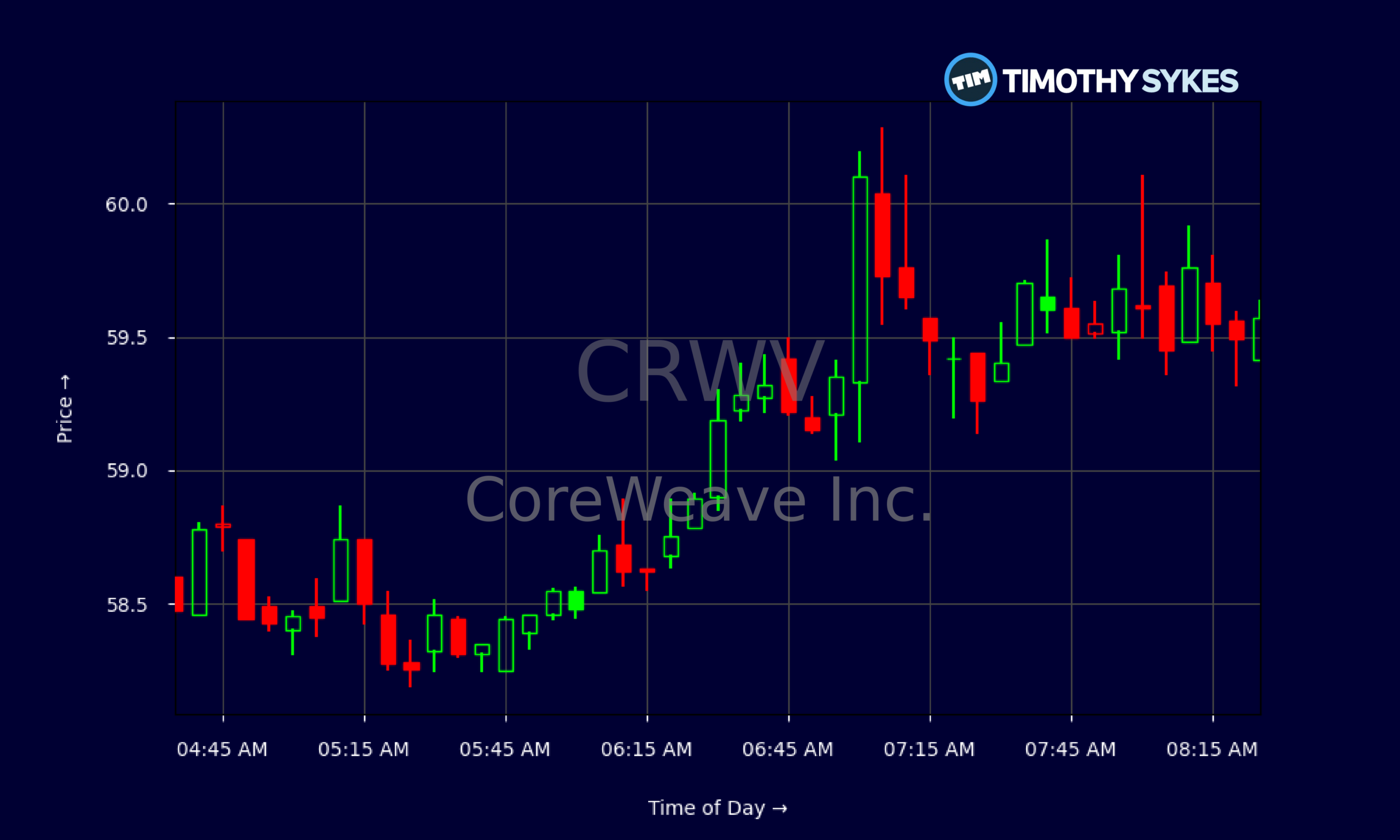
Live Update At 08:32:30 EDT: On Thursday, October 22, 2026 CoreWeave Inc. stock [NASDAQ: CRWV] is trending down by -3.75%! Discover the key drivers behind this movement as well as our expert analysis in the detailed breakdown below.
Quick Financial Overview
CRWV is a classic high-growth, high-stress AI name. CoreWeave Inc. generated about $5.13B in revenue over the last year, with a huge 90.6% gross margin. That means every dollar of sales leaves plenty after direct costs. But once you run through operating expenses and heavy interest, the picture flips. Net margin sits around -25%, and returns on equity are deeply negative.
On the balance sheet, CRWV is loaded. Total debt to equity is 3.29, leverage is 15.3, and the current ratio is just 0.5. In simple terms, CoreWeave Inc. owes a lot and doesn’t have much short-term cushion. The company’s own filings highlight roughly $52B in loans and lease obligations, while its debt trades at distressed levels.
The cash flow statement shows why traders are nervous. CRWV needed huge capital spending, burning about $6.42B on property and equipment in the latest quarter and posting roughly -$5.74B in free cash flow. It plugged the gap with $9.57B of net new debt and nearly $1B of stock issuance. For traders, that sets up a tug-of-war between monster AI demand and serious credit and dilution risk.
More Breaking News
On the chart, CRWV has already started reflecting that stress. Since late September 2026, the stock has broken from the high-$80s and low-$90s down into the low-$60s. The daily close fell from $91.72 on 2026/10/06 to $61.82 on 2026/10/21. That’s a steep, momentum-style downtrend. Intraday, CoreWeave Inc. trades like a scalper’s playground — premarket ranges from about $58 to $60 show constant two-way action, but no clear strength. Trend is down, bounces are getting sold, and the tape lines up with the fundamentals: fast growth, but even faster risk.
Why Traders Are Watching CRWV Volatility
CRWV has become one of those names every active trader knows, whether they touch it or not. CoreWeave Inc. sits at the center of the AI GPU boom, yet the stock trades more like a meme rocket than a steady cloud player.
The latest headline that shook the tape: reports that the three co-founders sold $3.3B of CRWV stock since the March 2025 IPO, including $2.4B in 2026 alone. The immediate reaction was brutal. Shares fell more than 5% in premarket on 2026/10/16, then later finished the day down about 12% as the insider-selling story spread. For traders, that kind of size from insiders raises obvious questions about confidence and floods the market with supply.
At the same time, CoreWeave Inc. is tied into Wallstreetbets-style flows. CRWV logged a 5.9% surge one day, then reversed with a 3.9% premarket drop the next. Another session brought about a 5% premarket slide as part of a broader pullback in popular Wallstreetbets names. Even the bounces have been weak: after one sharp Friday washout, CRWV only managed a 1%–4% premarket rebound alongside other AI and chip favorites.
Underneath this noise, the fundamental story is equally intense. CoreWeave Inc. has a massive AI GPU backlog and “explosive” revenue growth. Demand is not the issue. The concern is the roughly $52B in loans and lease obligations and very high net interest expense, with CRWV debt trading at distressed levels. That’s the tell for credit stress. Traders who chase momentum in CRWV need to understand they are trading against a backdrop where default risk and future equity dilution sit front and center.
Put it together and you get a stock where sector jitters in AI and “neo-cloud” names collide with insider overhang and meme-style leverage. CRWV is priced like a battleground, not a sleepy cloud utility.
Conclusion
For active traders, CRWV is a live-fire training ground. CoreWeave Inc. delivers everything the market loves on the growth side — huge revenue ramp, sky-high gross margins, and a powerful AI narrative backed by a big GPU backlog. But that story is welded onto a balance sheet packed with leverage, thin liquidity, and debt trading like a distressed credit.
The recent 12% slide after the co-founder stock sales headline drew a clear line in the sand. Insider selling of $3.3B since 2025, including $2.4B this year, adds a real supply overhang and feeds the bear case on governance. When CRWV then tacks on fresh 5% premarket drops tied to Wallstreetbets risk-off days, it confirms the tape is fragile. Bounces of 1%–4% feel more like short covering than true trend change.
For short-term traders, the message is simple: treat CoreWeave Inc. like the volatile momentum name it is, not a safe AI hold. Tight risk, clear levels, and zero hesitation to cut are mandatory. As millionaire penny stock trader and teacher Tim Sykes says, “Small gains add up over time; focus on building wealth gradually, not chasing jackpots.”. As Tim Sykes likes to say, “The market doesn’t owe you anything — your only edge is discipline and preparation.” CRWV rewards those who respect the risk and punishes anyone who falls in love with the story. This analysis is for educational and research purposes only, but the price action in CRWV is writing its own lessons in real time.
This is stock news, not investment advice. Timothy Sykes News delivers real-time stock market news focused on key catalysts driving short-term price movements. Our content is tailored for active traders and investors seeking to capitalize on rapid price fluctuations, particularly in volatile sectors like penny stocks. Readers come to us for detailed coverage on earnings reports, mergers, FDA approvals, new contracts, and unusual trading volumes that can trigger significant short-term price action. Some users utilize our news to explain sudden stock movements, while others rely on it for diligent research into potential investment opportunities.
Dive deeper into the world of trading with Timothy Sykes, renowned for his expertise in penny stocks. Explore his top picks and discover the strategies that have propelled him to success with these articles:
- Penny Stocks Trading Guide
- Best Penny Stocks Under $1 to Buy Today
- Top 8 Penny Stocks to Watch on Robinhood
Once you’ve got some stocks on watch, elevate your trading game with StocksToTrade the ultimate platform for traders. With specialized tools for swing and day trading, StocksToTrade will guide you through the market’s twists and turns.
Dig into StocksToTrade’s watchlists here:





Leave a reply