

ClearOne Inc. jumps on strong positive sentiment from its most favorable headline, as stocks have been trading up by 31.08 percent.
Key Takeaways
- CLRO has ripped from $1.97 to $4.69 in days before pulling back, flashing classic low-float momentum behavior.
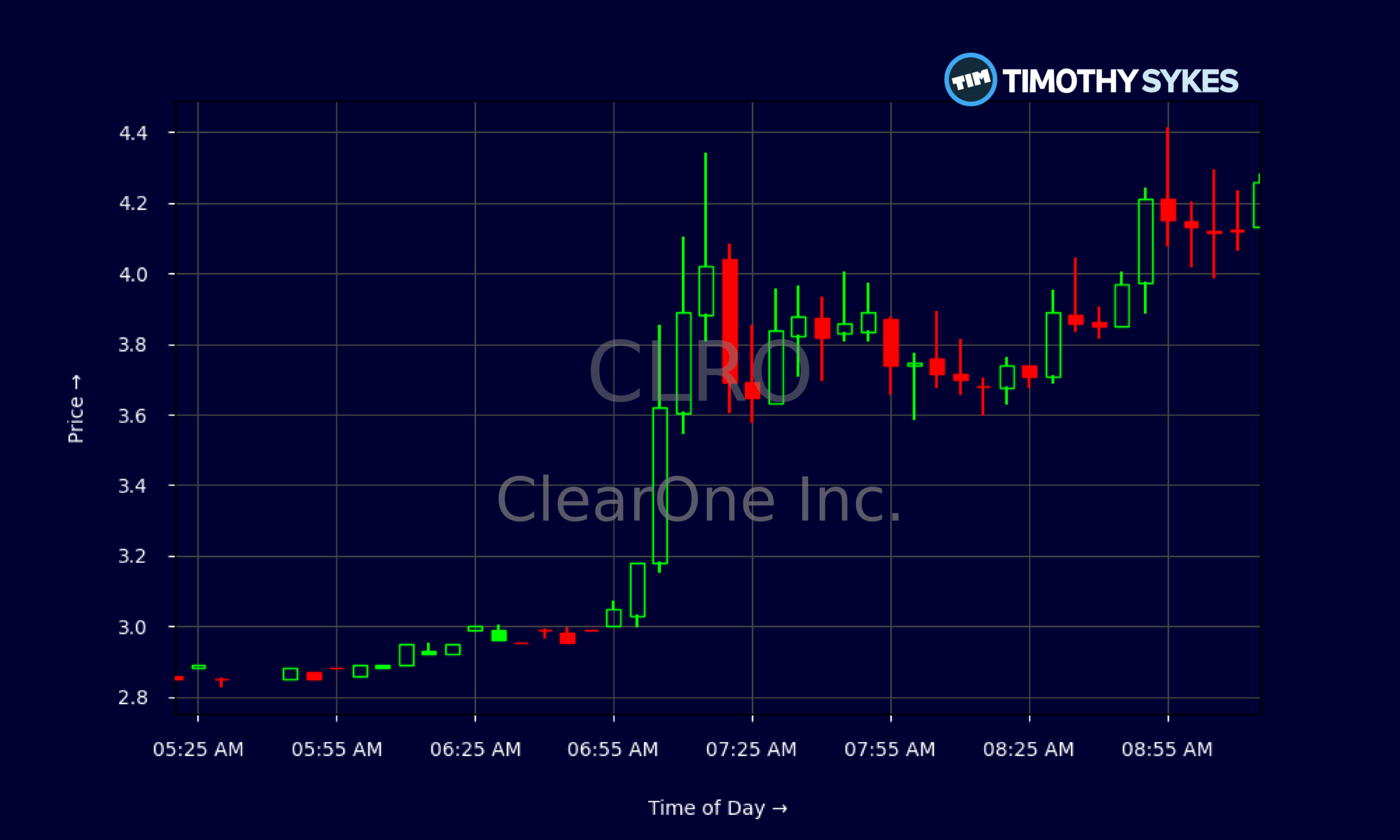
- Recent intraday action in ClearOne Inc. shows heavy range trading between $3.60 and $4.30, signaling active day-trader interest.
- Financials for CLRO reveal negative equity, tight liquidity, and ongoing losses, keeping long-term risk elevated.
- Traders are watching whether CLRO can hold above $3.00 as a key psychological level for the next momentum leg.
Live Update At 09:20:51 EDT: On Monday, October 26, 2026 ClearOne Inc. stock [NASDAQ: CLRO] is trending up by 31.08%! Discover the key drivers behind this movement as well as our expert analysis in the detailed breakdown below.
Quick Financial Overview
ClearOne Inc. is trading like a classic small-cap battleground. On the numbers, though, CLRO looks fragile. The latest quarterly report shows total assets of just $990,000 against total liabilities of about $1,371,000. That leaves stockholders’ equity at roughly -$381,000, which explains the heavily negative book value per share and that ugly -27.46 price-to-book ratio.
Cash is thin. CLRO reports only $75,000 in cash and $447,000 in restricted cash, with current debt of $500,000. The current ratio at 1.1 and quick ratio at 0.1 tell traders that ClearOne Inc. has very little cushion if things tighten further. Operations are not bailing it out either. CLRO posted about -$914,000 in net income for the quarter, with free cash flow at roughly -$172,000.
More Breaking News
Return metrics are deep in the red. Return on assets and return on equity are sharply negative, signaling that CLRO is not generating value from its capital base. For traders, this backdrop makes CLRO a pure price-action and momentum play, not a fundamental safety story.
Why Traders Are Watching CLRO’s Wild Price Swings
The real story for CLRO right now is on the chart. In a span of sessions, ClearOne Inc. exploded from a $1.97 open to an intraday high near $4.69, more than doubling before closing at $3.25. That kind of move in CLRO is the definition of a momentum playground for active traders who live on volatility.
Zoom in on the recent daily tape and you see a surge from the low $3s to over $5.00, then a fast fade back under $4.00 and into the $3s. CLRO is giving big range, but it is also punishing anyone who chases late or refuses to cut losses. The intraday 5‑minute chart backs that up: ClearOne Inc. repeatedly swings between roughly $3.60 and $4.30, with multiple sharp pushes and rejections in both directions.
This tells traders a few things. First, CLRO is firmly on the day-trading radar; you do not get this kind of liquidity and whipsaw without a crowd watching. Second, ClearOne Inc. is trading technically, not fundamentally. Levels like $3.00, $3.50, and $4.00 become key battle zones where shorts and momentum buyers clash.
For disciplined traders, CLRO offers textbook setups: morning spikes, midday consolidations, and late-day fades. For undisciplined traders, ClearOne Inc. offers something else — a fast way to blow up a small account.
Conclusion
CLRO sits at the crossroads of hype and hard reality. On one side, the chart for ClearOne Inc. checks all the boxes that short-term traders love: rapid spikes, deep pullbacks, and clean intraday levels. The run from sub‑$2.00 to above $4.50 shows what CLRO can do when momentum money pours in. The rapid retreat toward the mid‑$3s shows how quickly that door can slam shut.
On the other side, the financials of ClearOne Inc. send a blunt message. Negative equity, thin cash, meaningful short-term debt, and ongoing operating losses mean CLRO is not a slow-and-steady story. Long-term stability is not what traders are paying for here. They are paying for volatility and timing.
For those studying CLRO, the edge comes from treating ClearOne Inc. as a trading vehicle, not a comfort blanket. That means planning your entries around key levels, respecting liquidity shifts, and staying aware that bad fundamentals can turn any spike into a trap. As Tim Sykes loves to remind traders, “The pattern is your edge, but only if you’re disciplined enough to follow the rules and cut losses quickly.” As millionaire penny stock trader and teacher Tim Sykes, says, “The goal is not to win every trade but to protect your capital and keep moving forward.”. CLRO rewards that mindset. It punishes everything else.
This is stock news, not investment advice. Timothy Sykes News delivers real-time stock market news focused on key catalysts driving short-term price movements. Our content is tailored for active traders and investors seeking to capitalize on rapid price fluctuations, particularly in volatile sectors like penny stocks. Readers come to us for detailed coverage on earnings reports, mergers, FDA approvals, new contracts, and unusual trading volumes that can trigger significant short-term price action. Some users utilize our news to explain sudden stock movements, while others rely on it for diligent research into potential investment opportunities.
Dive deeper into the world of trading with Timothy Sykes, renowned for his expertise in penny stocks. Explore his top picks and discover the strategies that have propelled him to success with these articles:
- Penny Stocks Trading Guide
- Best Penny Stocks Under $1 to Buy Today
- Top 8 Penny Stocks to Watch on Robinhood
Once you’ve got some stocks on watch, elevate your trading game with StocksToTrade the ultimate platform for traders. With specialized tools for swing and day trading, StocksToTrade will guide you through the market’s twists and turns.
Dig into StocksToTrade’s watchlists here:




Leave a reply