

BigBear.ai Inc. stocks have been trading up by 4.88 percent amid strong investor optimism on its latest AI contract win.
Key Takeaways
- Q3 revenue jumped to $43.6M from $33.1M and crushed the $29.9M consensus, as BBAI highlighted more than 25 new government contracts, improved margins, and a solid cash position.
- Since July, the company has landed over $225M in total contract value across homeland security, defense, intelligence, and federal civilian agencies, including key generative‑AI awards and major recompete wins.
- BigBear.ai now guides 2026 revenue to $150M–$165M, roughly 5% above its prior midpoint and well ahead of the $112.9M Wall Street estimate.
- Cantor Fitzgerald and Northland both trimmed BBAI price targets to the low‑$3 range, citing sector multiple compression despite the stronger Q3 and higher guidance.
- Form 4 filings flagged insider or major‑holder activity in BBAI, but without detail on whether the moves were buys, sells, or awards.
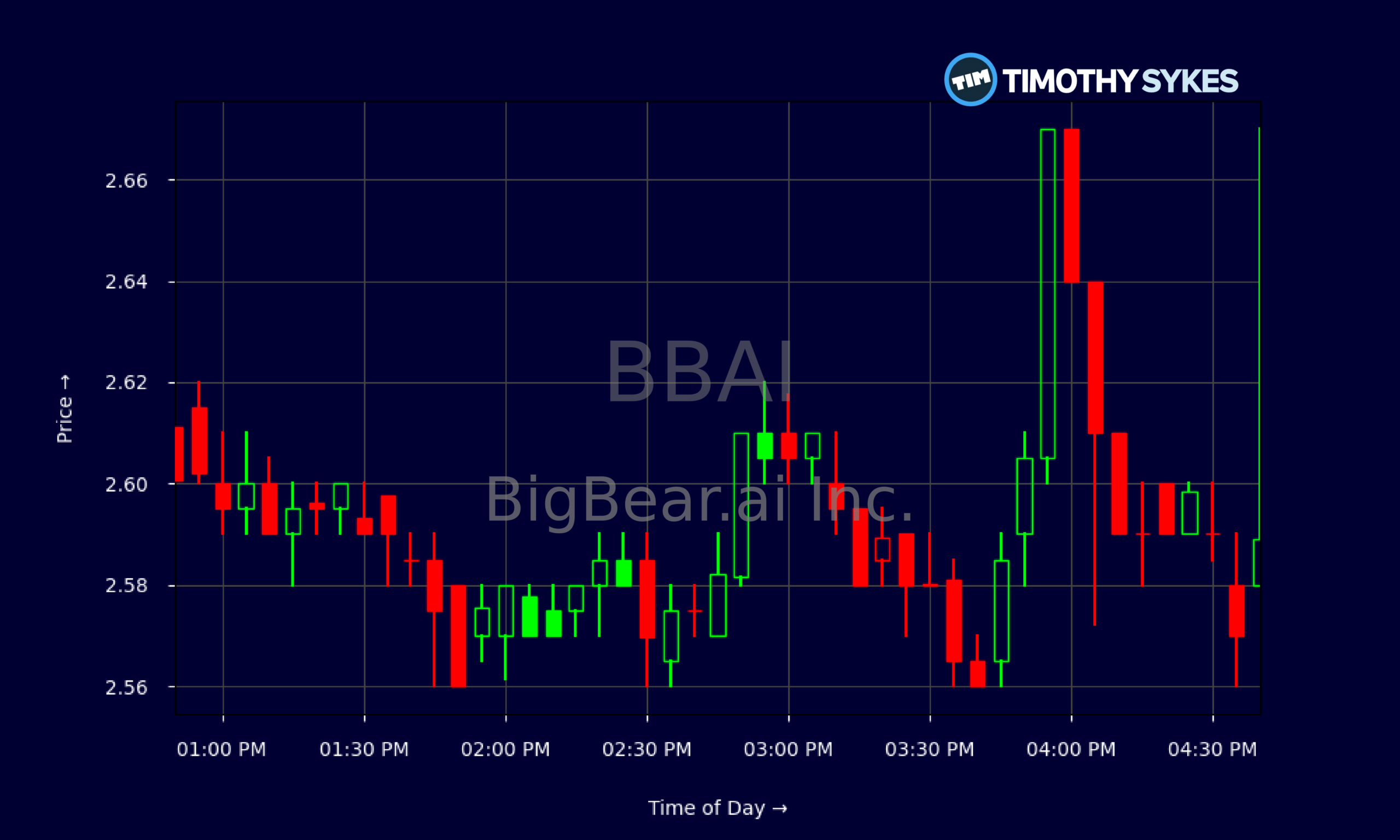
Live Update At 16:47:20 EDT: On Thursday, October 29, 2026 BigBear.ai Inc. stock [NYSE: BBAI] is trending up by 4.88%! Discover the key drivers behind this movement as well as our expert analysis in the detailed breakdown below.
Quick Financial Overview
BBAI has been grinding higher on the chart, and the numbers now explain why traders are leaning in. BigBear.ai just posted Q3 revenue of $43.6M, up from $33.1M a year ago and far above the $29.9M consensus. That is a serious surprise for a small‑cap AI defense name.
Earnings per share came in at a loss of $0.19, worse than last year’s $0.03 loss. But under the hood, BBAI is cleaning up its structure. A huge $76.7M impairment charge drove the headline loss, while normalized income was a far smaller negative. The company also showed improved margins and is sitting on about $78.8M of cash at period end, with a current ratio near 5.7 and very low debt, which gives BBAI room to keep executing.
More Breaking News
On the tape, BBAI has pushed from closes around $2.12–$2.20 in mid‑October to $2.67 on 2026/10/29. Intraday action shows a steady trend: higher lows all afternoon, closing near the high of day. For active traders, that combination — fundamental beat plus controlled, stair‑step price action — often signals dip‑buying interest and shorts getting cautious.
Why Traders Are Watching BBAI Right Now
BigBear.ai is starting to look less like a story stock and more like a real federal AI contractor with scale. Since July, BBAI has secured more than $225M in total contract value across U.S. homeland security, defense, intelligence, and federal civilian agencies. That haul includes over 25 new generative‑AI awards and key recompete wins with U.S. Customs and Border Protection, plus marquee names like the FBI, NASA, the Coast Guard, the Department of Energy, and the VA.
For traders, that contract stack matters more than any single headline. Multi‑agency wins tell you BBAI is embedding its software and analytics into mission‑critical workflows — national security, trade and travel, and federal infrastructure. Once those systems are in, they rarely rip them out overnight. That is how recurring revenue and multi‑year visibility are built.
The market has already reacted. When BBAI first announced over $225M in federal awards, the stock popped roughly 4.6% as traders rushed to price in the backlog. Then came the Q3 shock: $43.6M in revenue versus the $29.9M consensus. That gap shows Wall Street was way behind the curve on BigBear.ai’s ramp.
Management doubled down by issuing 2026 revenue guidance of $150M–$165M, not only about 5% higher than its own prior midpoint, but also far above the $112.9M analyst estimate. That tells traders two things. First, BBAI thinks its current contracts plus pipeline support a much steeper growth path. Second, the execution bar is now high — any stumble could trigger sharp moves in a thinly traded small‑cap.
Even so, analysts are cautious on valuation. Cantor Fitzgerald clipped its BBAI target from $4 to $3 and kept a Neutral stance. Northland nudged its target to $3.50 from $4 with a Market Perform view, blaming sector‑wide multiple compression, not company‑specific weakness. In plain English, the growth story looks better, but small‑cap AI remains out of favor, and that disconnect is where short‑term traders hunt opportunity.
Conclusion
For active traders, BBAI is a classic battleground between improving fundamentals and skeptical Wall Street models. On one side, BigBear.ai has stacked more than $225M in recent federal AI contracts, delivered a clear revenue beat at $43.6M, and pushed 2026 guidance to $150M–$165M. The balance sheet shows real cash, low leverage, and enough runway to keep pursuing large federal deals.
On the other side, the company is still losing money, with negative margins and a history of operating losses. Analyst price‑target cuts into the low‑$3s show that, even after strong Q3 numbers, many on the Street want to see more proof before they re‑rate BBAI higher. The Form 4 insider activity adds noise without clear direction since the filings did not specify whether those moves were buys, sells, or equity grants.
That tension is exactly what momentum traders on platforms like StocksToTrade look for — strong catalysts, volatile price action, and a wide range of opinions. The recent grind up from the low‑$2s to the high‑$2s, with tight intraday ranges and strength into the close, suggests dip buyers are in control for now. As millionaire penny stock trader and teacher Tim Sykes, says, “You must adapt to the market; the market will not adapt to you.”. But as Tim Sykes always reminds his community, “patterns repeat, but they don’t always complete — that’s why disciplined traders cut losses quickly and never marry a stock.” BBAI offers plenty to study, but every trade still comes down to your plan, your risk, and your execution.
This is stock news, not investment advice. Timothy Sykes News delivers real-time stock market news focused on key catalysts driving short-term price movements. Our content is tailored for active traders and investors seeking to capitalize on rapid price fluctuations, particularly in volatile sectors like penny stocks. Readers come to us for detailed coverage on earnings reports, mergers, FDA approvals, new contracts, and unusual trading volumes that can trigger significant short-term price action. Some users utilize our news to explain sudden stock movements, while others rely on it for diligent research into potential investment opportunities.
Dive deeper into the world of trading with Timothy Sykes, renowned for his expertise in penny stocks. Explore his top picks and discover the strategies that have propelled him to success with these articles:
- Penny Stocks Trading Guide
- Best Penny Stocks Under $1 to Buy Today
- Top 8 Penny Stocks to Watch on Robinhood
Once you’ve got some stocks on watch, elevate your trading game with StocksToTrade the ultimate platform for traders. With specialized tools for swing and day trading, StocksToTrade will guide you through the market’s twists and turns.
Dig into StocksToTrade’s watchlists here:





Leave a reply