

Norwegian Cruise Line Holdings Ltd. stocks have been trading up by 11.21 percent amid strong post-pandemic travel demand signals.
Key Takeaways For NCLH Traders
- Cruise names, including NCLH, moved higher after Carnival’s strong Q3 and bullish multi‑year demand outlook signaled resilient cruise demand and pricing power.
- The company is refinancing $750M of debt with new 2031 senior notes, extending maturities and easing near‑term balance‑sheet pressure, with shares initially up about 2.7% premarket.
- Major Wall Street firms cut NCLH price targets into a roughly $15–$22 band, but the stock still holds an overweight rating and a mean target near $18–$19.
- Citi sees solid Q4 demand but trimmed its NCLH target to $19 on higher fuel and interest costs, pointing to pressured earnings despite firm bookings.
- Bookings opened for new ship Norwegian Bella, sailing Europe from 2028, giving NCLH a long‑term growth catalyst and driving roughly a 3% pop in the stock.
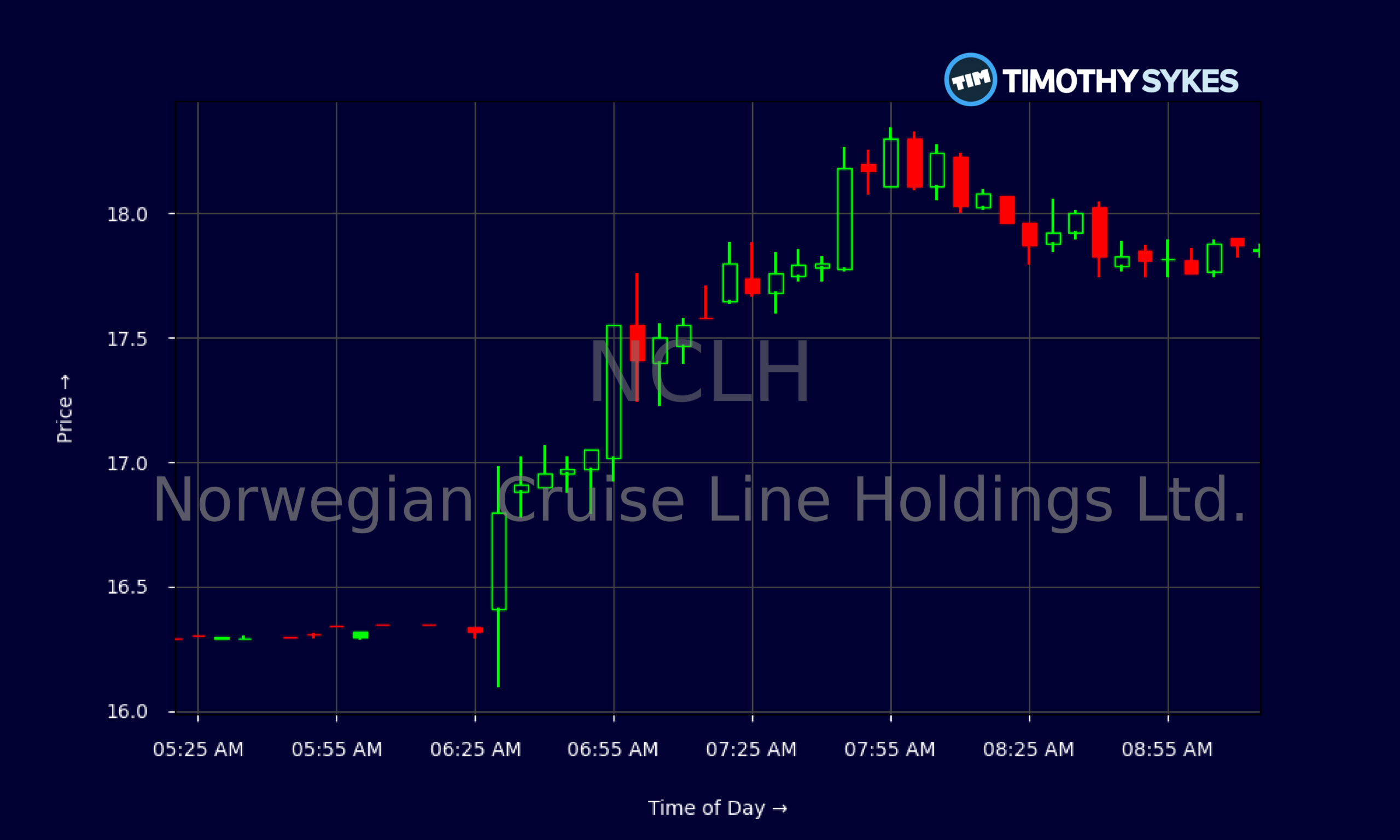
Live Update At 09:19:02 EDT: On Thursday, October 29, 2026 Norwegian Cruise Line Holdings Ltd. stock [NYSE: NCLH] is trending up by 11.21%! Discover the key drivers behind this movement as well as our expert analysis in the detailed breakdown below.
Quick Financial Overview
Norwegian Cruise Line Holdings Ltd. sits in that tricky zone traders love and fear. NCLH is growing again, but the balance sheet is heavy and the tape shows a stock grinding, not ripping.
On the chart, NCLH has spent recent sessions in a tight mid‑teens range. Over the last couple of weeks, closes have mostly clustered between $14.87 and $16.06, with shallow pullbacks getting bought. That tells traders there is demand under the market, but no breakout yet. Intraday, the pre‑market action above $17 shows strong gap interest and active day‑trading liquidity.
Fundamentals show the same push‑pull. Quarterly revenue of about $2.64B and EBITDA near $691M give NCLH a healthy 27.9% EBITDA margin and roughly 73.7% gross margin. But leverage is massive: total debt to equity at 5.84, a leverage ratio of 9.3, and a current ratio of just 0.2. NCLH generates solid operating cash flow — about $603M last quarter — and free cash flow of roughly $145M, yet a lot of that power goes to servicing and rolling debt.
More Breaking News
Valuation around 9.4x earnings and 0.7x sales leaves NCLH looking cheap on paper, but traders know that discount reflects real risk tied to rates, fuel, and consumer strength.
Why Traders Are Watching NCLH Now
NCLH is in the crosshairs because the macro backdrop finally shifted in its favor while the micro story remains messy. Carnival’s strong Q3 and bullish multi‑year commentary lit a fire under the whole cruise group, with Norwegian Cruise Line, Royal Caribbean, and Viking all trading higher. Traders are reading Carnival’s demand narrative as a sector signal: people still want cruises, and they are paying up.
For NCLH, that sector rerating collided with fresh company‑specific catalysts. The big one is the $750M senior notes due 2031. NCL Corporation is using the deal to refinance 6.125% notes due 2028, repay $176.3M on the revolver, and prepay $42.2M of export‑credit backed debt. That does not add new growth capital, but it stretches the maturity wall and smooths near‑term cash demands. The market liked it, with NCLH up roughly 2.7% premarket after the announcement.
At the same time, Wall Street is recalibrating. Citi, BofA Securities, Wells Fargo, Deutsche Bank, Stifel, TD Cowen, and others all trimmed price targets on NCLH into the $15–$22 band. Yet the consensus rating remains overweight and the mean target still sits around $18–$19, above the mid‑teens share price. Citi cut from $22 to $19 and kept a Buy, blaming fuel and interest costs while stressing that Q4 demand is solid and bookings are not rolling over. TD Cowen lowered its target to $20, but highlighted a tighter booking gap, better revenue management, and a constructive 2027 yield outlook. Susquehanna is the skeptic, nudging its target to $16 with a Neutral stance and flagging consumer‑health risk.
Add in Norwegian Bella — a new high‑capacity ship now open for 2028 Europe bookings alongside Norwegian Aura — and traders see a long‑dated pipeline that can feed revenue growth once debt is tamed. When that Bella news hit, NCLH gained about 3%, proving the tape still rewards credible growth milestones.
Into the Q3 2026 print on 2026/10/29, this mix of sector strength, balance‑sheet moves, and cautious‑bullish analyst tone keeps NCLH firmly on watchlists.
Conclusion
For active traders, NCLH is a classic battleground between strong demand and heavy leverage. The latest data say the cruise cycle is alive: Carnival’s Q3 tone lifted the whole group, and NCLH’s own booking trends and pricing still look constructive. The price action — steady closes in the mid‑teens with spikes into the high‑teens pre‑market — shows bulls testing the waters, not stampeding.
But the debt stack is impossible to ignore. Norwegian Cruise Line Holdings Ltd.’s $750M 2031 notes deal buys time and modestly improves the profile, it does not erase the 5.84 debt‑to‑equity ratio or the thin 0.2 current ratio. That is why nearly every major bank trimmed its NCLH target even while keeping overweight or Buy ratings. They see upside from roughly $15, just not unlimited upside.
For short‑term traders, the clear catalysts are the debt‑refinancing headlines, the Norwegian Bella demand read‑through, and the Q3 call on 2026/10/29, where commentary on costs and consumer health will matter as much as bookings. For swing traders, the key question is whether NCLH can keep converting strong gross margins and $600M‑plus operating cash flow into consistent debt reduction while rates stay elevated.
Tim Sykes pounds this into traders’ heads all the time: “Trade the price action, but always understand the story behind it.” As millionaire penny stock trader and teacher Tim Sykes, says, “There is always another play around the corner; don’t chase just because you feel FOMO.”. With NCLH, that story is simple to state and hard to trade — strong ships, strong demand, and a balance sheet that still needs serious work. This article is for educational and research purposes only and is not investment advice.
This is stock news, not investment advice. Timothy Sykes News delivers real-time stock market news focused on key catalysts driving short-term price movements. Our content is tailored for active traders and investors seeking to capitalize on rapid price fluctuations, particularly in volatile sectors like penny stocks. Readers come to us for detailed coverage on earnings reports, mergers, FDA approvals, new contracts, and unusual trading volumes that can trigger significant short-term price action. Some users utilize our news to explain sudden stock movements, while others rely on it for diligent research into potential investment opportunities.
Dive deeper into the world of trading with Timothy Sykes, renowned for his expertise in penny stocks. Explore his top picks and discover the strategies that have propelled him to success with these articles:
- Penny Stocks Trading Guide
- Best Penny Stocks Under $1 to Buy Today
- Top 8 Penny Stocks to Watch on Robinhood
Once you’ve got some stocks on watch, elevate your trading game with StocksToTrade the ultimate platform for traders. With specialized tools for swing and day trading, StocksToTrade will guide you through the market’s twists and turns.
Dig into StocksToTrade’s watchlists here:





Leave a reply