

BigBear.ai Inc. stocks have been trading up by 6.13 percent following upbeat AI-defense contract news boosting investor optimism.
Key Takeaways
- More than $225M in new and recompete contracts since July expand BBAI’s reach across U.S. homeland security, defense, intelligence, and federal civilian agencies.
- Over 25 generative‑AI awards with customers including the FBI, NASA, Coast Guard, Department of Energy, and VA position BBAI squarely in the public‑sector gen‑AI wave.
- Shares of BBAI jumped about 4.6% after the contract haul, helped by renewals with U.S. Customs and Border Protection that reinforce existing relationships.
- The company has set its Q3 2026 earnings date, where traders will look for details on how these awards convert into backlog, revenue, and margins.
- Recent Form 4 filings show insider ownership changes at BigBear.ai Holdings, but with no detail on buys versus sales, trading read‑through is limited.
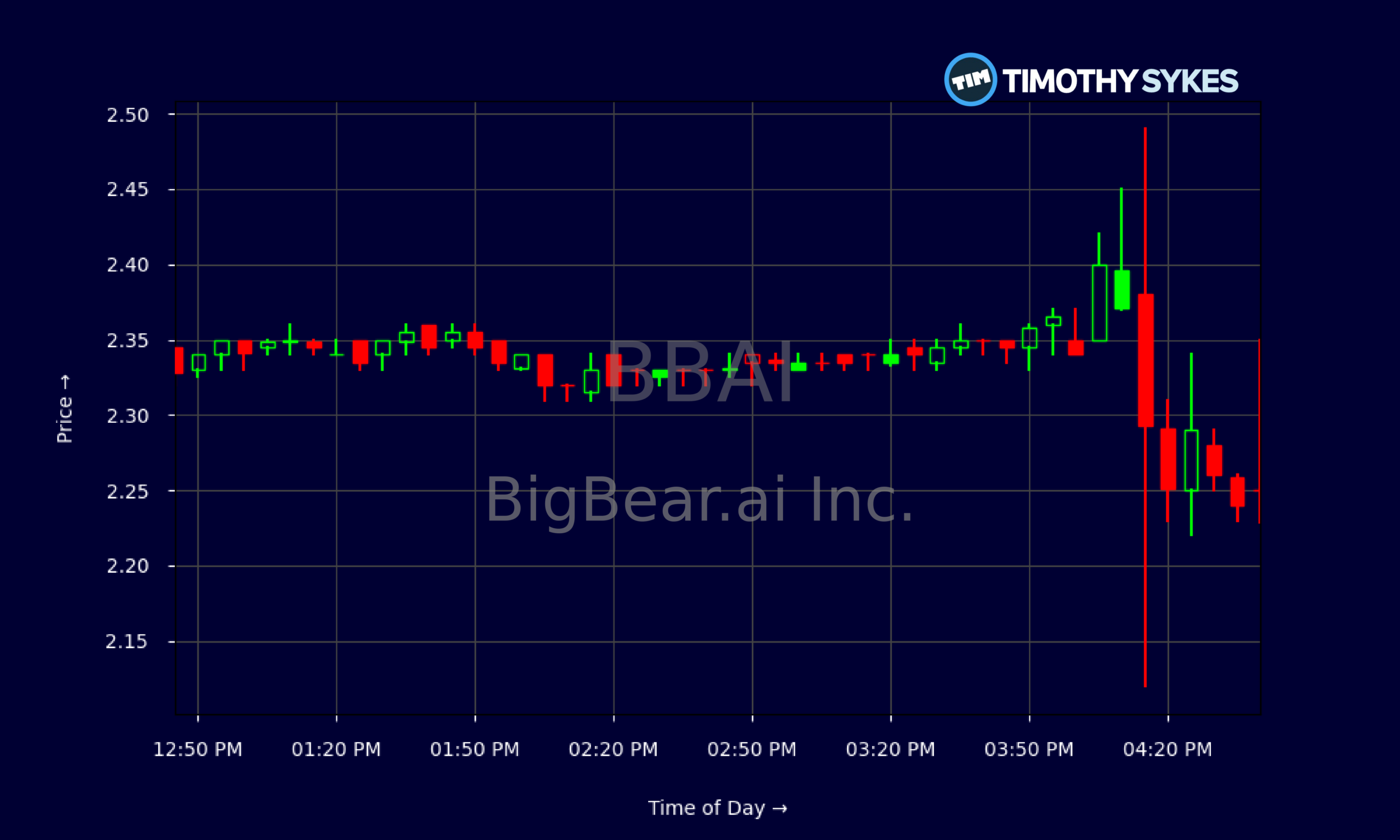
Live Update At 16:46:49 EDT: On Tuesday, October 27, 2026 BigBear.ai Inc. stock [NYSE: BBAI] is trending up by 6.13%! Discover the key drivers behind this movement as well as our expert analysis in the detailed breakdown below.
Quick Financial Overview
BigBear.ai Holdings, trading under ticker BBAI, is acting like a classic high‑risk, story‑driven AI small cap. The headline win is growth in federal contracts, but the financials show why traders treat BBAI as a trading vehicle, not a sleepy value name.
On the income side, BBAI generated about $36.7M in quarterly revenue, yet still posted a net loss of roughly $25.7M. Operating margins are deeply negative, with an EBIT margin around ‑74.7%. That means the company is still spending heavily to chase growth and build out its AI platforms.
Cash flow matters for small caps. BBAI burned about $22.2M in operating cash that quarter, but it also ended with roughly $38.1M in cash and a strong current ratio of 5.7. Debt looks manageable, with total debt‑to‑equity at just 0.03, which gives the company runway to keep executing those contracts.
More Breaking News
On the chart, BBAI has pulled back from early‑month highs near $2.82, but it held a higher close at $2.35 on 2026/10/27. Intraday action shows tight consolidation between $2.30 and $2.36, then a late spike toward $2.49 before fading. For active trading, that’s textbook: range compression, then quick jolts that reward prepared traders who plan their entries and cut losses fast.
Why Traders Are Watching BBAI Now
BBAI is on radars because the contract tape finally lines up with the AI hype. Since July, BigBear.ai has locked in more than $225M in total contract value across homeland security, defense, intelligence, and federal civilian agencies. That is not a single headline deal; it is a stack of wins and successful recompetes that expand the company’s federal footprint.
For momentum traders, the key detail is the generative‑AI angle. BBAI reports over 25 new gen‑AI awards with customers like the FBI, NASA, the Coast Guard, the Department of Energy, and the VA. These are sensitive, highly selective agencies. If they trust BBAI’s tools for mission‑critical work, that raises the bar for competitors and gives the story real credibility.
The market already voted once. After BBAI announced the $225M haul and renewals with U.S. Customs and Border Protection, the stock popped about 4.6%. That type of move, tied directly to news, is what short‑term traders look for—clear cause, clear reaction.
At the same time, the upcoming Q3 2026 earnings call becomes a potential catalyst. Traders will watch to see how much of that $225M drops into near‑term revenue versus multi‑year backlog, and whether management talks about expanding margins as scale kicks in. Routine Form 4 filings show some insider ownership changes, but without transaction detail, they don’t override the main story: contract momentum and gen‑AI exposure.
When you blend this news flow with BBAI’s tight intraday ranges and sudden bursts, you get a setup that reward those who study the chart, stalk key levels, and avoid chasing the top of the move.
Conclusion
BBAI sits at the intersection of two powerful themes: government spending and generative AI. BigBear.ai’s more than $225M in recent federal contract awards—spanning homeland security, defense, intelligence, and civilian agencies—give traders something concrete to anchor that story. The mix of new business and recompete wins with customers like the FBI, NASA, Coast Guard, U.S. Customs and Border Protection, and others suggests BBAI is not a one‑and‑done headline.
The numbers still carry real risk. Losses are large, margins are negative, and free cash flow is deep in the red. That is why traders treat BBAI as a trading vehicle, not a safe harbor. The upside comes when fresh contract news or a strong earnings update sparks another wave of momentum, like the 4.6% jump after the federal awards announcement.
As Tim Sykes always says, “The pattern and the catalyst matter more than the hype—study both, then trade with a plan.” That mindset lines up with another key lesson from his trading approach: As millionaire penny stock trader and teacher Tim Sykes, says, “Be patient, don’t force trades, and let the perfect setups come to you.”. For BBAI, the catalyst is clear: federal gen‑AI contracts and an upcoming Q3 2026 earnings call that could reprice expectations. The pattern is forming in the $2 range, with volatility ready to reward disciplined traders who prepare in advance, size small, and cut losses without hesitation.
This is stock news, not investment advice. Timothy Sykes News delivers real-time stock market news focused on key catalysts driving short-term price movements. Our content is tailored for active traders and investors seeking to capitalize on rapid price fluctuations, particularly in volatile sectors like penny stocks. Readers come to us for detailed coverage on earnings reports, mergers, FDA approvals, new contracts, and unusual trading volumes that can trigger significant short-term price action. Some users utilize our news to explain sudden stock movements, while others rely on it for diligent research into potential investment opportunities.
Dive deeper into the world of trading with Timothy Sykes, renowned for his expertise in penny stocks. Explore his top picks and discover the strategies that have propelled him to success with these articles:
- Penny Stocks Trading Guide
- Best Penny Stocks Under $1 to Buy Today
- Top 8 Penny Stocks to Watch on Robinhood
Once you’ve got some stocks on watch, elevate your trading game with StocksToTrade the ultimate platform for traders. With specialized tools for swing and day trading, StocksToTrade will guide you through the market’s twists and turns.
Dig into StocksToTrade’s watchlists here:





Leave a reply