

Atlantic American Corporation stocks have been trading up by 45.71 percent, driven by highly positive investor sentiment and demand.
Key Takeaways
- Atlantic American Corporation (AAME) filed a Form 8-K current report with the SEC.
- The filing is acknowledged publicly, but the summary provides no details about what AAME disclosed.
- With no specifics, traders are left debating whether the AAME 8-K is routine housekeeping or a more material corporate event.
- The information gap around AAME’s filing is pushing disciplined traders to focus on price action, volume, and risk management while they wait for clarity.
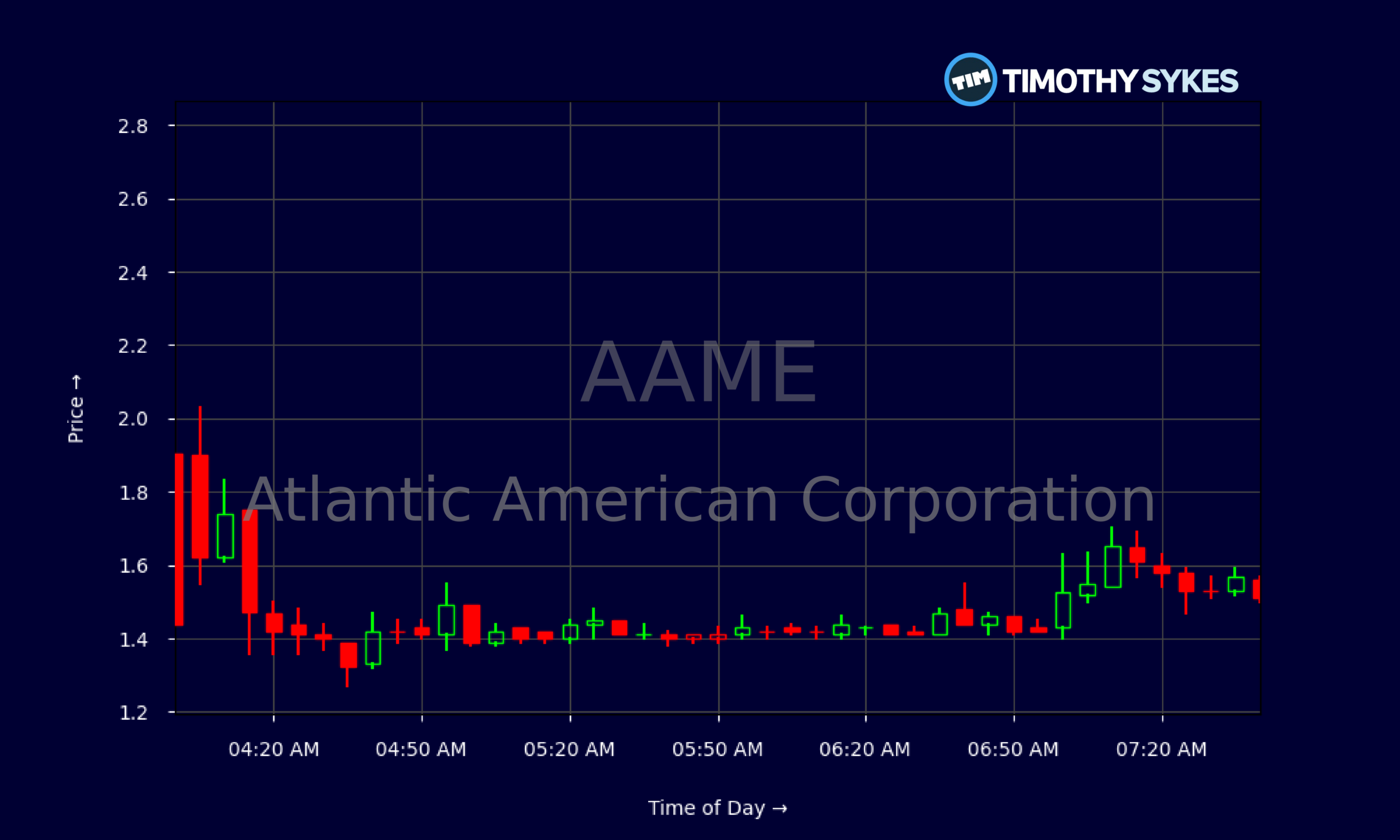
Live Update At 07:47:23 EDT: On Monday, October 19, 2026 Atlantic American Corporation stock [NASDAQ: AAME] is trending up by 45.71%! Discover the key drivers behind this movement as well as our expert analysis in the detailed breakdown below.
Quick Financial Overview
AAME is a thinly traded, low-priced insurance name, and the numbers back up why it still catches traders’ eyes. On the daily chart, Atlantic American Corporation has drifted lower over the past few weeks, sliding from around $1.37 on 2026/09/24 to roughly $1.05 by 2026/10/16. That’s a steady downtrend, with lower highs and lower closes, signaling clear selling pressure before today’s headline.
Under the hood, AAME shows a mix of value and grind. Revenue sits near $210.4M, with a low price-to-sales ratio of about 0.12 and price-to-book around 0.22. For value-focused traders, that screams “discount,” but there’s a catch: profit margins are razor thin and recently negative on a continuing basis, reminding everyone this is not a clean growth story.
More Breaking News
Cash flow is a bright spot. AAME generated about $17.7M in operating cash flow in the latest quarterly report and ended the period with roughly $43.6M in cash and equivalents. Debt looks manageable, with total debt to equity near 0.31 and a modest leverage profile for an insurer. For traders, that combination — cheap valuation, thin margins, and decent cash — sets the stage for sharp sentiment-driven pops, especially when any new filing, like this 8-K, hits the tape.
Why Traders Are Watching AAME After The 8-K
The real action in AAME came on the intraday chart. While the recent daily closes hovered just above $1, today’s 5‑minute candles tell a different story. AAME exploded out of the gate from around $1.44 at 04:00 to an early spike as high as $2.79 before fading back into the mid-$1 range. That’s classic low-float behavior: fast ramps, sharp reversals, and emotional trading around a thin headline.
What triggered the move? Only one confirmed catalyst is on the board: Atlantic American Corporation filed a Form 8‑K with the SEC. The public summary simply confirms the filing but gives no details about the event itself. For AAME traders, that’s both frustrating and powerful. When the story is unclear, price action becomes the story.
This is where experienced day traders lean in. AAME’s intraday range — more than a full dollar from high to low — shows that even a vague regulatory headline can ignite speculation. Some traders will bet the 8‑K is routine; others will assume something bigger and try to front-run future news. The disciplined ones treat AAME as a pure chart play: watch the premarket spike levels, map support around the $1.40–$1.50 zone from those 5‑minute candles, and never marry a guess about what the 8‑K means.
In short, AAME’s mystery filing created exactly what short-term traders crave: volatility, liquidity, and a clear intraday trend to trade against, even while the fundamental story remains incomplete.
Conclusion
Atlantic American Corporation sits in an odd pocket right now. On paper, AAME looks beaten down and cheap, with low price-to-book and price-to-sales ratios, modest leverage, and solid cash on hand. On the chart, AAME just printed a wild intraday spike off the back of an SEC Form 8‑K that no one fully understands yet. That tension between unknown news and known volatility is what keeps active traders glued to the tape.
For swing and day traders who study these patterns, AAME is a reminder that filings alone don’t move markets — the reaction to perceived uncertainty does. As millionaire penny stock trader and teacher Tim Sykes, says, “You must adapt to the market; the market will not adapt to you.”. Until the contents of the 8‑K are clearer, AAME remains a speculation-driven trade, not a clean fundamental story. The job for serious traders is simple: track levels, respect risk, and react to what the price is actually doing, not what you hope the filing will eventually say.
Tim Sykes hammers this point all the time: “Patterns repeat, but you have to cut losses quickly when they fail.” AAME’s recent action fits that mindset perfectly. Use the volatility for educational and research purposes, learn how a vague 8‑K can spark a big intraday move, and remember this is trading — not advice, not a prediction, just another real-time case study in how markets digest uncertainty.
This is stock news, not investment advice. Timothy Sykes News delivers real-time stock market news focused on key catalysts driving short-term price movements. Our content is tailored for active traders and investors seeking to capitalize on rapid price fluctuations, particularly in volatile sectors like penny stocks. Readers come to us for detailed coverage on earnings reports, mergers, FDA approvals, new contracts, and unusual trading volumes that can trigger significant short-term price action. Some users utilize our news to explain sudden stock movements, while others rely on it for diligent research into potential investment opportunities.
Dive deeper into the world of trading with Timothy Sykes, renowned for his expertise in penny stocks. Explore his top picks and discover the strategies that have propelled him to success with these articles:
- Penny Stocks Trading Guide
- Best Penny Stocks Under $1 to Buy Today
- Top 8 Penny Stocks to Watch on Robinhood
Once you’ve got some stocks on watch, elevate your trading game with StocksToTrade the ultimate platform for traders. With specialized tools for swing and day trading, StocksToTrade will guide you through the market’s twists and turns.
Dig into StocksToTrade’s watchlists here:





Leave a reply