

AT&T Inc. stocks have been trading down by -5.69 percent amid investor anxiety over mounting 5G rollout costs and debt risks.
Key Takeaways
- Shares of AT&T, Verizon, and T-Mobile dropped 10–13% after SpaceX agreed to acquire a nationwide low-band spectrum portfolio, stoking fears of a disruptive new Starlink Mobile competitor.
- T-Mobile US fell 13%, while AT&T and Verizon slid about 10% as traders digested the spectrum deal, which could turn Starlink Mobile into a formidable nationwide carrier.
- Bernstein downgraded AT&T from Outperform to Market Perform and trimmed its price target to $24, flagging rising satellite competition, pricing pressure, and seasonal Q4 headwinds.
- Scotiabank also lowered its AT&T price target, warning that SpaceX’s spectrum purchase makes its hybrid satellite–terrestrial strategy a more credible long-term threat to U.S. wireless carriers.
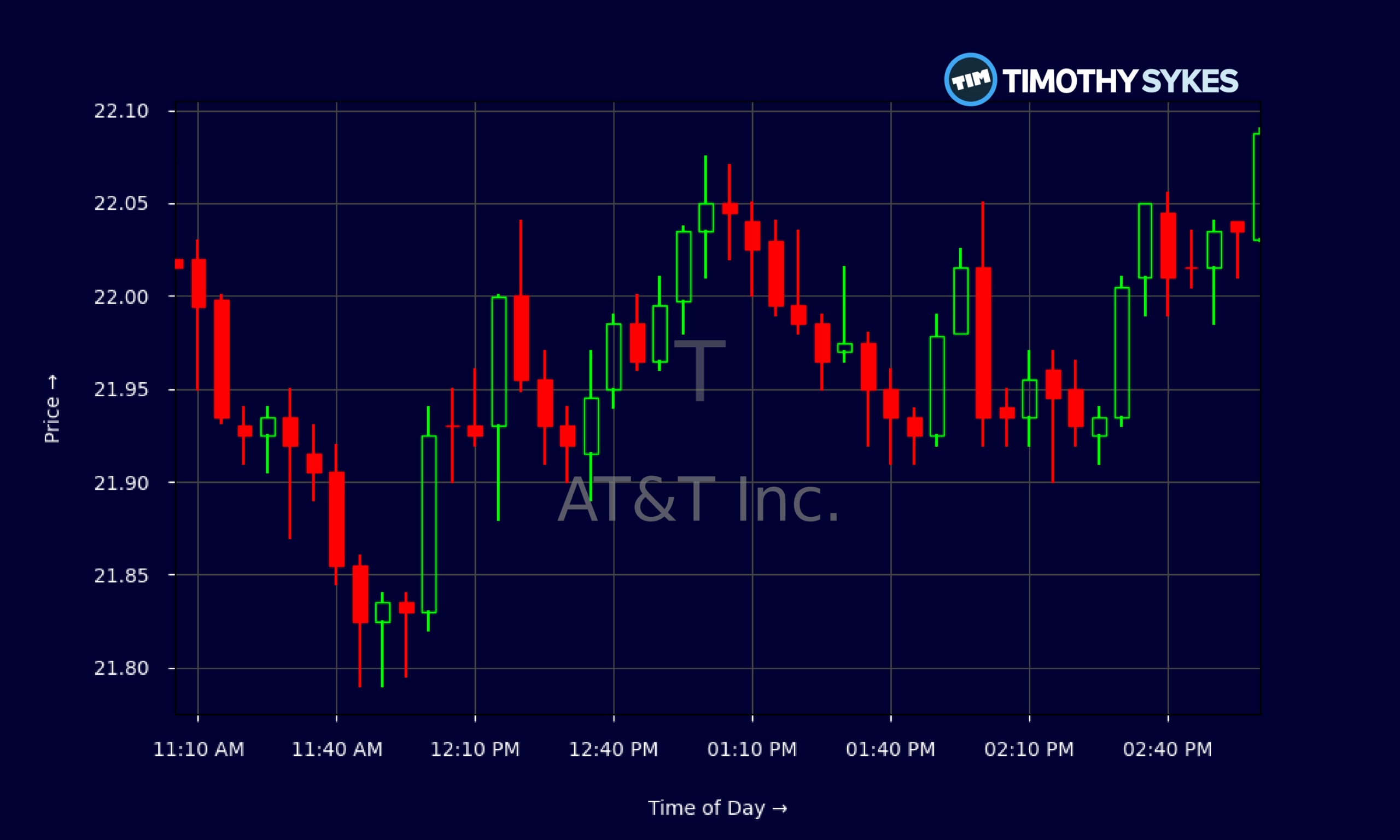
Live Update At 15:02:24 EDT: On Wednesday, October 21, 2026 AT&T Inc. stock [NYSE: T] is trending down by -5.69%! Discover the key drivers behind this movement as well as our expert analysis in the detailed breakdown below.
Quick Financial Overview
AT&T Inc. (T) just ran into a wall on the chart. Over the past few weeks, T slid from the mid‑$24s to around $22, breaking a steady sideways range that had held near $24–$25. That roughly 10% pullback lines up with the Starlink Mobile headlines and shows how fast sentiment flipped.
For short‑term traders, T’s intraday tape tells the story. The stock gapped sharply lower, washed into the low $22s, then churned in a tight 21.90–22.10 band for much of the day. That’s classic “price discovery” after a shock: big gap, then a fight between dip buyers and nervous holders.
On the fundamentals, AT&T still looks like a classic deep‑value telecom. T trades at a price/earnings ratio near 7.4 and around 1.2 times sales, with $125.6B in annual revenue and strong EBITDA margins above 40%. Free cash flow last quarter was about $5.17B, backing a dividend near $1.11 per share and a yield around 4.7%.
More Breaking News
The flip side is leverage. AT&T carries more than $134B of long‑term debt and a debt‑to‑equity ratio around 1.5. That balance sheet works when cash flow is steady, but any real hit to wireless margins from Starlink Mobile matters. For traders, the message is simple: cheap can stay cheap if the story gets worse.
Why Traders Are Watching AT&T After The Starlink Shock
AT&T Inc. has dealt with competition for decades, but the SpaceX move jolted the entire wireless complex. When news hit that SpaceX would acquire a nationwide 800 MHz low‑band spectrum portfolio, AT&T, T‑Mobile, and Verizon sank 6–8% after hours and went on to drop 10–13% in regular trading. T was one of the worst S&P 500 names on the day.
Low‑band spectrum is prized because it travels far and penetrates buildings. For AT&T, that spectrum has historically helped defend rural and weak‑signal areas where coverage is harder and more expensive. Now traders have to price in Starlink Mobile using satellite plus low‑band spectrum to target those exact pockets of AT&T’s moat.
Wall Street is reacting fast. Bernstein cut AT&T from Outperform to Market Perform and lowered its target to $24, pointing directly at rising SpaceX/Starlink competition and ongoing price pressure in both broadband and wireless. Scotiabank also took its target down, warning that SpaceX’s hybrid satellite–terrestrial plan is no longer a science‑project threat — it’s a real long‑term competitor.
For active traders, this matters because it changes the way bigger funds think about T. Instead of a sleepy dividend telecom, AT&T is suddenly a battleground name tied to the pace of Starlink Mobile deployment, regulatory approvals, and any signs of subscriber churn or margin compression. That shift is what creates large gaps, elevated volume, and sharp intraday ranges — exactly the type of volatility short‑term traders look for.
Conclusion
AT&T Inc. is now at the center of one of the market’s biggest new tech‑versus‑telecom clashes. The sharp 10% slide in T, alongside similar damage in Verizon and T‑Mobile, shows traders are no longer dismissing Starlink Mobile as a side project. SpaceX’s nationwide low‑band spectrum deal suggests a full‑scale mobile push that aims right at the core of AT&T’s wireless economics.
Yet the numbers under the hood still matter. AT&T is throwing off strong operating cash flow, posting healthy margins, and trading at compressed valuation multiples. That combination sets up a tug‑of‑war on the chart: bears leaning into the Starlink narrative, and value‑focused capital eyeing T’s cash generation and dividend.
For short‑term traders, the edge comes from focusing on price action, not hope. Watch how AT&T behaves around key levels like $22 on any retest, track reaction to new Starlink headlines, and be ready for failed bounces as well as sharp snap‑back rallies. As Tim Sykes likes to say, “The market doesn’t care about your opinion, only your risk management.” As millionaire penny stock trader and teacher Tim Sykes, says, “Small gains add up over time; focus on building wealth gradually, not chasing jackpots.”. For T, that means respecting the new headline risk while treating every setup as a trade, not a marriage. This article is for educational and research purposes only and is not investment advice.
This is stock news, not investment advice. Timothy Sykes News delivers real-time stock market news focused on key catalysts driving short-term price movements. Our content is tailored for active traders and investors seeking to capitalize on rapid price fluctuations, particularly in volatile sectors like penny stocks. Readers come to us for detailed coverage on earnings reports, mergers, FDA approvals, new contracts, and unusual trading volumes that can trigger significant short-term price action. Some users utilize our news to explain sudden stock movements, while others rely on it for diligent research into potential investment opportunities.
Dive deeper into the world of trading with Timothy Sykes, renowned for his expertise in penny stocks. Explore his top picks and discover the strategies that have propelled him to success with these articles:
- Penny Stocks Trading Guide
- Best Penny Stocks Under $1 to Buy Today
- Top 8 Penny Stocks to Watch on Robinhood
Once you’ve got some stocks on watch, elevate your trading game with StocksToTrade the ultimate platform for traders. With specialized tools for swing and day trading, StocksToTrade will guide you through the market’s twists and turns.
Dig into StocksToTrade’s watchlists here:





Leave a reply