

Ashford Hospitality Trust Inc surged as restructuring and refinancing optimism drove bullish sentiment; stocks have been trading up by 40.22 percent.
Key Takeaways
- Ashford Hospitality Trust’s external advisor, Ashford Inc., will waive about $17M in advisory fees over six months.
- Ashford Inc. has committed to buy 2.5% of AHT’s outstanding common stock in the open market each quarter for up to three years.
- If Ashford Inc. under-buys relative to its 2.5% quarterly commitment, it will owe AHT a penalty fee credit.
- AHT has terminated its at-the-market equity issuance program, reducing the near-term risk of further equity dilution.
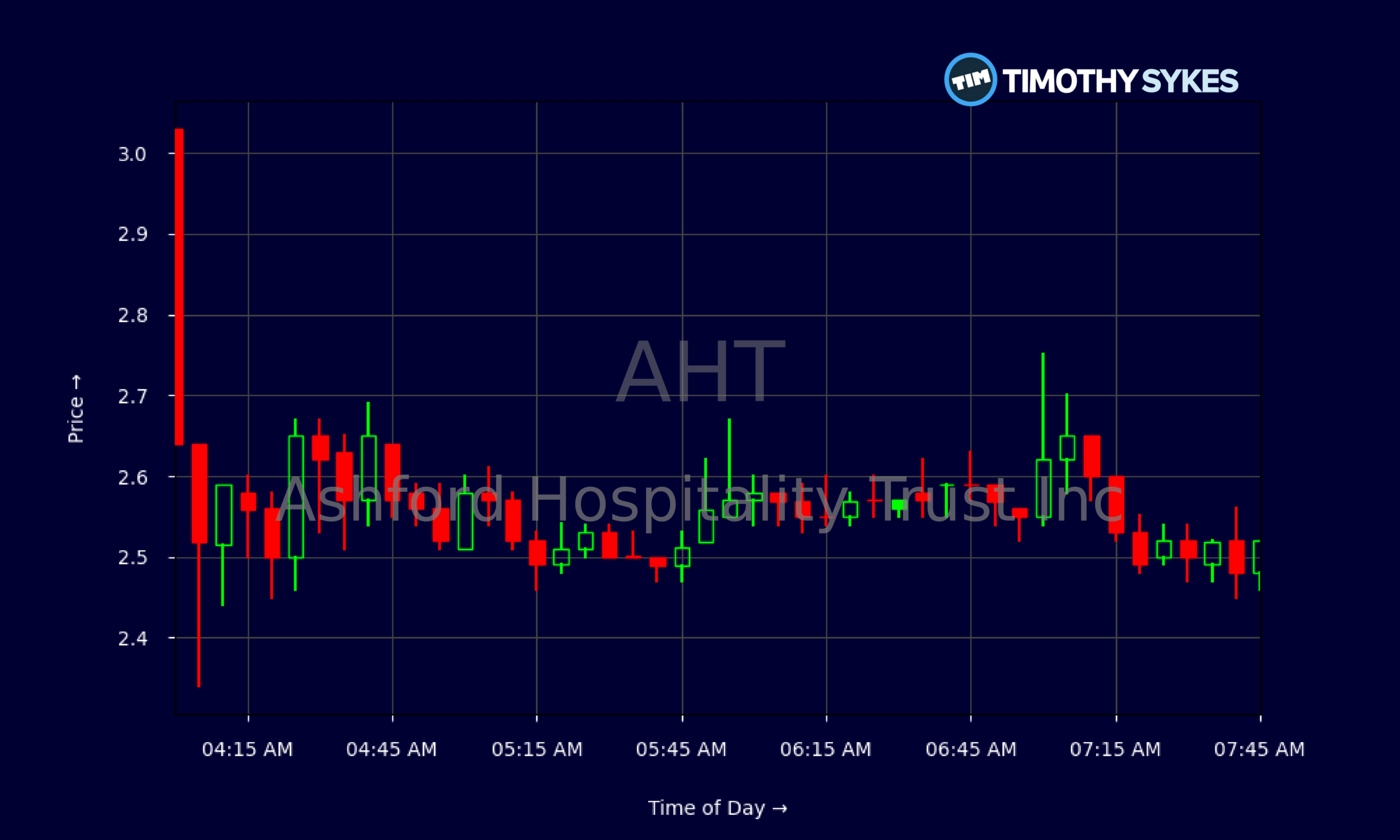
Live Update At 07:47:50 EDT: On Wednesday, October 21, 2026 Ashford Hospitality Trust Inc stock [NYSE: AHT] is trending up by 40.22%! Discover the key drivers behind this movement as well as our expert analysis in the detailed breakdown below.
Quick Financial Overview
Ashford Hospitality Trust Inc, or AHT, is a classic high-risk, high-reward trading name. The hotel REIT is still carrying heavy baggage from past leverage and write-downs, but the latest numbers show a business that is at least generating solid operating cash.
AHT pulled in roughly $1.10B in revenue over the last year with a gross margin around 33%. That means one-third of every dollar of hotel revenue is left after direct operating costs. EBITDA margin near 27% shows the core hotel portfolio can throw off cash, even if bottom-line profit margins are still negative when all the interest and special items hit.
More Breaking News
On the balance sheet, AHT sits on about $2.33B of assets but has negative common equity of roughly -$345M and long-term debt near $1.91B. Leverage is high, and interest coverage of about 1.2 times tells traders the capital structure is tight. Still, a current ratio near 2.0 and over $211.9M of quarter-end cash provide some breathing room. For active traders, that mix of operational strength, heavy debt, and tiny price-to-sales around 0.01 is exactly the kind of setup that can fuel sharp moves both ways.
Why Traders Are Watching AHT Right Now
Traders are dialed in on AHT after a coordinated support move from its external advisor, Ashford Inc., announced on 2026/10/20. The advisor agreed to waive about $17M in advisory fees over six months. For a highly leveraged REIT like Ashford Hospitality Trust Inc, that is real money. Lower fees mean more cash stays inside the company, which can help service debt, support operations, or simply extend runway in a tough rate environment.
The second part of the package is what really has momentum traders paying attention. Ashford Inc. committed to buy 2.5% of AHT’s outstanding common stock in the open market every quarter for up to three years. These are not just paper promises; if the advisor under-buys versus that 2.5% target, it owes AHT a penalty fee credit. That structure forces the advisor to either be an aggressive buyer of AHT stock or pay up in another way, which aligns it more closely with common shareholders.
At the same time, AHT terminated its at-the-market equity issuance program. For months, traders worried that every spike in AHT would get stuffed with fresh shares. Killing that ATM program removes a major overhang. Now, instead of constant potential dilution, the tape has a committed buyer in the form of the advisor.
You can see the tension in the chart. Daily closes slid from the $2.50s in late September to around $1.79 by 2026/10/20, a steep drawdown. Intraday, AHT is showing wide 5‑minute candles, with moves from $3.03 at the open down into the $2.50s and $2.60s. That volatility, combined with a shrinking supply of new shares and a large, price-insensitive buyer, is exactly why day traders and swing traders are watching AHT so closely.
Conclusion
AHT remains a complex story. Ashford Hospitality Trust Inc still has a heavily leveraged balance sheet, negative common equity, and thin interest coverage. Those facts matter. But markets trade on change at the margin, and this latest support package from Ashford Inc. clearly shifts the near-term equation for AHT.
Fee waivers cut real cash costs. The three-year, 2.5% per quarter share-purchase commitment tells traders that a major insider expects AHT stock to be worth supporting at current levels. The built-in penalty fee credit if they do not follow through only reinforces that message. Ending the at-the-market program removes steady dilution pressure, which can help any future rally in AHT travel farther, faster, because there is less new supply hitting the market.
For active traders, the setup is straightforward: a beaten-down hotel REIT, strong but pressured operations, aggressive leverage, and now a clear corporate buyer plus reduced dilution risk. AHT is still not a safe long-term holding; it is a trading vehicle. As Tim Sykes likes to say, “The market doesn’t care about your opinion, only your discipline.” That focus on discipline is crucial here. As millionaire penny stock trader and teacher Tim Sykes, says, “Consistency is key in trading; don’t let emotions dictate your trades.”. With AHT, that means mapping support and resistance, respecting the volatility, and being ready to cut losses fast if the story or the price action turns against you.
This is stock news, not investment advice. Timothy Sykes News delivers real-time stock market news focused on key catalysts driving short-term price movements. Our content is tailored for active traders and investors seeking to capitalize on rapid price fluctuations, particularly in volatile sectors like penny stocks. Readers come to us for detailed coverage on earnings reports, mergers, FDA approvals, new contracts, and unusual trading volumes that can trigger significant short-term price action. Some users utilize our news to explain sudden stock movements, while others rely on it for diligent research into potential investment opportunities.
Dive deeper into the world of trading with Timothy Sykes, renowned for his expertise in penny stocks. Explore his top picks and discover the strategies that have propelled him to success with these articles:
- Penny Stocks Trading Guide
- Best Penny Stocks Under $1 to Buy Today
- Top 8 Penny Stocks to Watch on Robinhood
Once you’ve got some stocks on watch, elevate your trading game with StocksToTrade the ultimate platform for traders. With specialized tools for swing and day trading, StocksToTrade will guide you through the market’s twists and turns.
Dig into StocksToTrade’s watchlists here:





Leave a reply