

American Airlines Group Inc. jumps as strong travel demand and upgraded guidance propel shares, which stocks have been trading up by 3.11 percent.
Key Takeaways
- Q3 brought a clean beat for AAL on both earnings and record $16.34B revenue, but a 67.5% jump in fuel costs kept the airline in the red.
- Management says AAL would have been solidly profitable without the fuel spike and is targeting another quarter of record revenue while pushing hard on profitability.
- Co‑branded Citi card spending rose 10% year over year, giving AAL a growing, fuel‑insulated revenue stream alongside ticket sales.
- Morgan Stanley, Bernstein, and UBS all cut AAL price targets but kept bullish ratings, blaming macro and fuel, not execution.
- AAL laid out 2027 revenue priorities and hinted at possible M&A, keeping longer‑term strategic optionality on the table for traders.
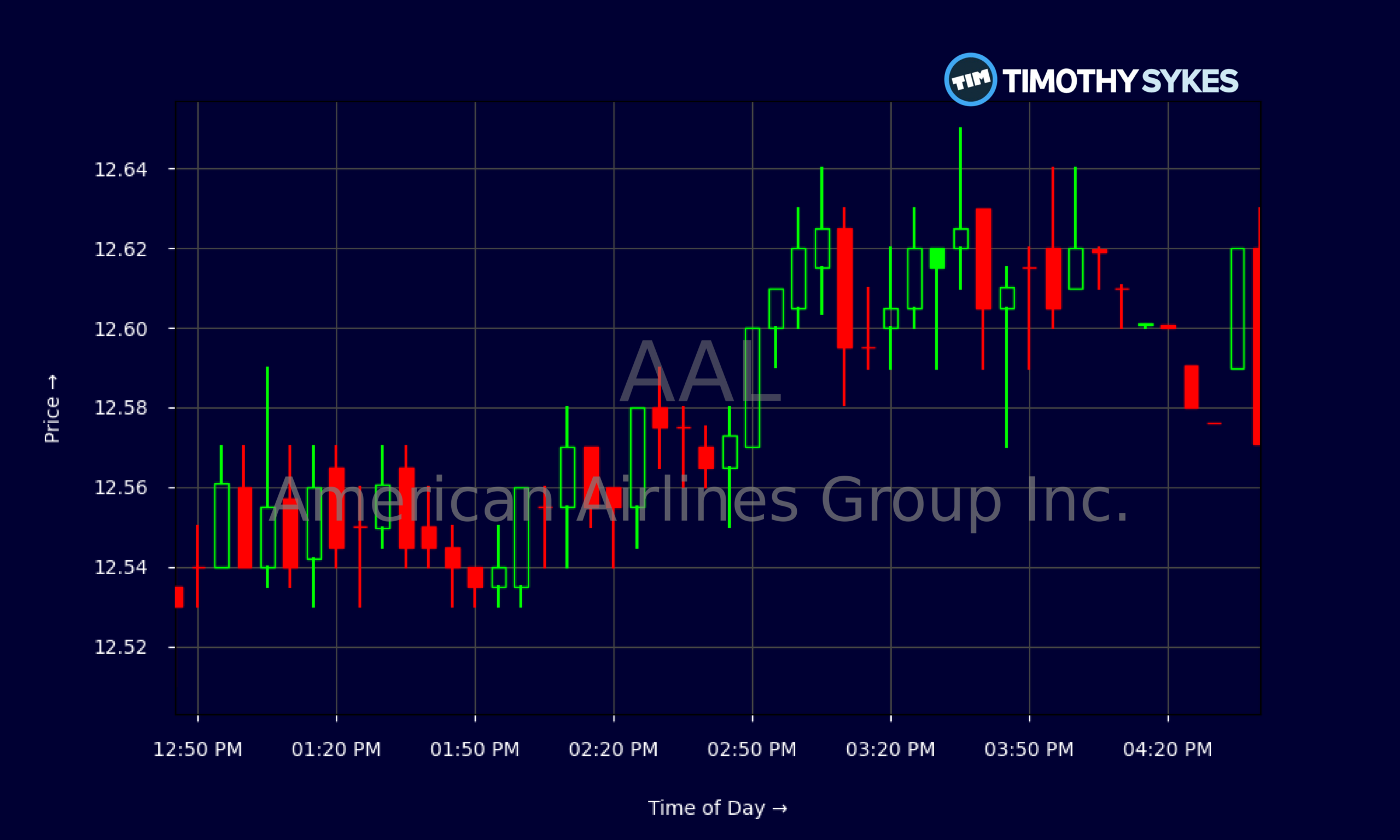
Live Update At 16:46:55 EDT: On Tuesday, October 27, 2026 American Airlines Group Inc. stock [NASDAQ: AAL] is trending up by 3.11%! Discover the key drivers behind this movement as well as our expert analysis in the detailed breakdown below.
Quick Financial Overview
AAL is trading like a grinder, not a flyer. Over the past few weeks, American Airlines Group Inc. has chopped between roughly $11.70 and $13.00, with the latest close around $12.61. Zoom in on the intraday tape and you see the same story: tight five‑minute candles between $12.50 and $12.65 into the close, signaling a market still digesting the latest earnings.
On the fundamentals, AAL just printed Q3 revenue of $16.335B and a small operating profit of $115M, yet still booked a net loss of $269M. The culprit is clear: roughly $4.64B of fuel expense hammering already thin airline margins. Key ratios back this up. EBIT margin sits at 2.2%, with overall profit margin negative and return on assets barely above zero over the longer term.
More Breaking News
Leverage is heavy. AAL carries about $31.55B of long‑term debt, negative book value, and a current ratio of just 0.5. For traders, that means moves in revenue, fuel costs, or sentiment can get amplified fast in the stock. This is a classic high‑beta, macro‑sensitive name where strong demand and tight capacity help, but costs and balance sheet risk keep a lid on sustained rallies.
Why Traders Are Watching AAL After Earnings
Earnings season put AAL back on watchlists. American Airlines Group Inc. reported adjusted EPS of $0.28 for Q3, blowing past expectations for a $0.36 loss. That is a meaningful swing for any airline and shows the core business is not broken. Record revenue of $16.34B versus $16.21B expected confirms demand, especially in premium cabins, is still strong.
Yet the headline number hides the main fight. Fuel costs for AAL surged 67.5% year over year. Management was blunt: the quarter would have been solidly profitable without that spike. That message matters for traders. It says demand, pricing, and load factors are working; the real risk is an external input that AAL cannot fully control.
Wall Street’s reaction fits that narrative. Morgan Stanley cut its AAL price target to $22 from $24 but stuck with an Overweight call, emphasizing slower growth to manage fuel. Bernstein dropped its target from $23 to $19 but kept an Outperform rating, again citing fuel through 2026, not company‑specific deterioration. UBS trimmed its AAL target to $16 from $17 while reiterating Buy, arguing that continued travel strength and lower fuel are needed for a bigger upside move.
At the same time, AAL is building levers beyond seats and fares. The airline logged a 10% year‑over‑year jump in spending on its Citi co‑branded credit cards and signaled more upside from that partnership. That fee‑driven stream is not directly tied to jet fuel and gives American Airlines Group Inc. a steadier earnings base when the core flying business hits turbulence. Layer on management’s 2027 revenue‑focused strategy and willingness to “keep our eyes open” for M&A, and you have a stock where catalysts can stack up quickly when the macro wind shifts.
Conclusion
AAL sits at the intersection of strong demand and brutal costs, and that tension is exactly why traders care. The stock’s recent action around the low‑$12s reflects a market that sees progress but refuses to chase until there is clarity on fuel and macro. On one side, American Airlines Group Inc. is printing record revenue, growing lucrative credit‑card partnerships, and mapping out 2027 priorities aimed squarely at boosting unit revenue. On the other, it is carrying heavy debt, negative equity, and a P&L that flips from profit to loss based largely on the price of jet fuel.
For active traders, AAL is a textbook “good business, bad input” setup. If fuel eases or the company squeezes more efficiency out of its network, the earnings leverage can be powerful given the existing demand and pricing strength. If fuel stays elevated or demand cracks, that same leverage works in reverse.
This is why American Airlines Group Inc. continues to attract price‑target cuts that still carry bullish ratings and an overweight consensus. The long‑term story hinges on execution and cost control, but the short‑term tape will be driven by headlines on fuel, fares, and any chatter around consolidation. As Tim Sykes likes to say, “Trade the price action, not the hype.” As millionaire penny stock trader and teacher Tim Sykes, says, “Preparation plus patience leads to big profits.”. For AAL, that means respecting the range, watching volume on every breakout or breakdown, and being ready to cut losses fast if the fuel story goes against you.
This is stock news, not investment advice. Timothy Sykes News delivers real-time stock market news focused on key catalysts driving short-term price movements. Our content is tailored for active traders and investors seeking to capitalize on rapid price fluctuations, particularly in volatile sectors like penny stocks. Readers come to us for detailed coverage on earnings reports, mergers, FDA approvals, new contracts, and unusual trading volumes that can trigger significant short-term price action. Some users utilize our news to explain sudden stock movements, while others rely on it for diligent research into potential investment opportunities.
Dive deeper into the world of trading with Timothy Sykes, renowned for his expertise in penny stocks. Explore his top picks and discover the strategies that have propelled him to success with these articles:
- Penny Stocks Trading Guide
- Best Penny Stocks Under $1 to Buy Today
- Top 8 Penny Stocks to Watch on Robinhood
Once you’ve got some stocks on watch, elevate your trading game with StocksToTrade the ultimate platform for traders. With specialized tools for swing and day trading, StocksToTrade will guide you through the market’s twists and turns.
Dig into StocksToTrade’s watchlists here:





Leave a reply