

Alaunos Therapeutics Inc. stocks have been trading up by 13.74 percent amid heightened optimism over its cancer immunotherapy pipeline.
Key Takeaways
- Alaunos Therapeutics closed its buyout of Velaris Therapeutics, adding a fresh pipeline targeting pulmonary arterial hypertension and related cardiopulmonary diseases.
- The TCRT–Velaris deal was paired with about $350M in Series C preferred stock, extending Alaunos’ cash runway into 2029 and funding multiple drug candidates.
- On the acquisition and funding news, TCRT shares ripped between roughly 126% and 225% on extremely heavy trading volume.
- Proceeds will back development of lead asset VLR199 for pulmonary arterial hypertension, a key catalyst for Alaunos Therapeutics going forward.
- TCRT popped another 35% after filings showed Fairmount Funds took a 19.99% stake and is seeking four of five board seats.
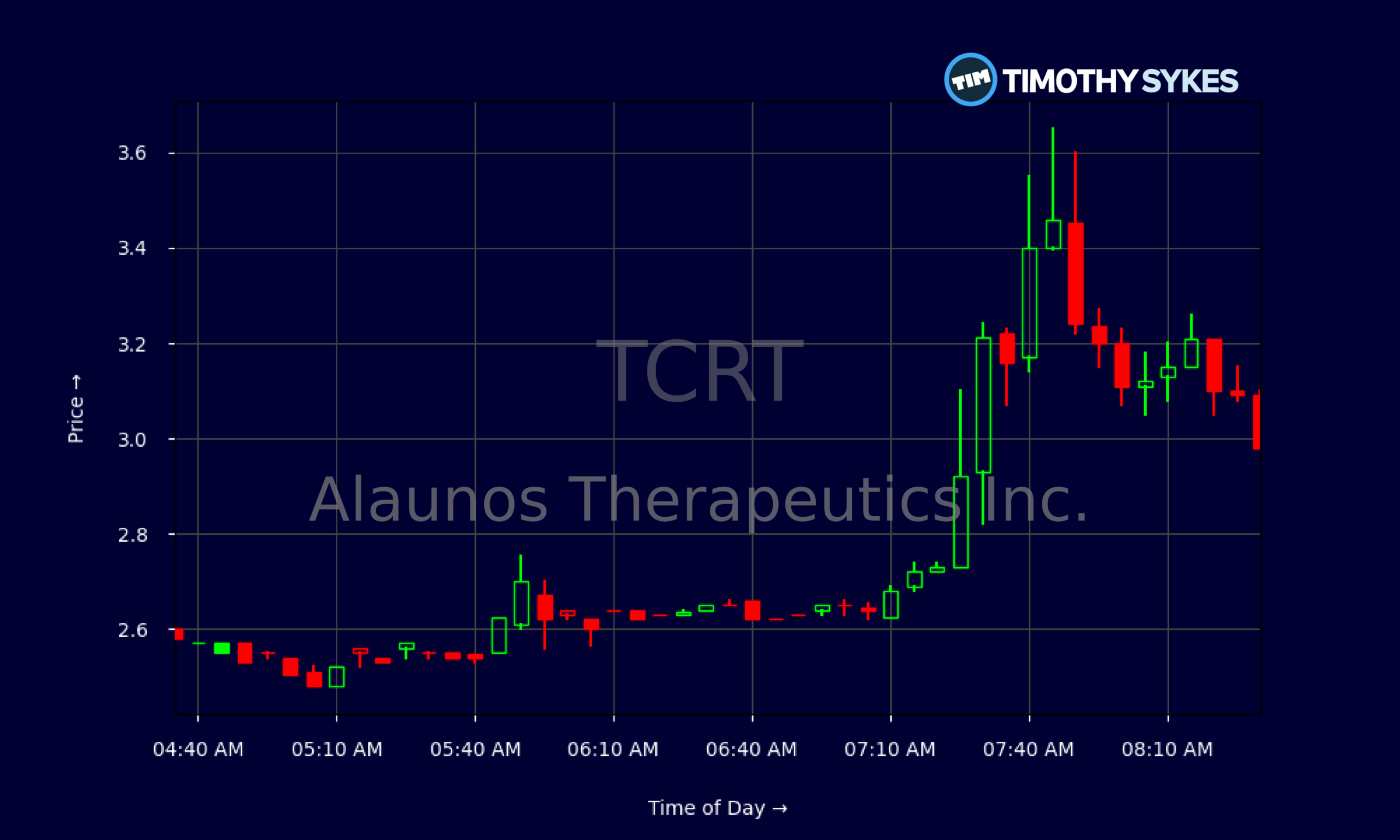
Live Update At 08:32:39 EDT: On Monday, October 19, 2026 Alaunos Therapeutics Inc. stock [NASDAQ: TCRT] is trending up by 13.74%! Discover the key drivers behind this movement as well as our expert analysis in the detailed breakdown below.
Quick Financial Overview
TCRT has transformed from a quiet micro-cap into a momentum magnet almost overnight. The daily chart shows Alaunos Therapeutics trading under $1 for weeks, then exploding above $3 around the Velaris news, with wild intraday swings between $1.51 and $4.40. That kind of price range tells traders one thing: volatility is here.
Under the hood, Alaunos Therapeutics remains an early-stage biotech. Recent quarterly revenue was just $5,000, with a sky‑high price‑to‑sales ratio near 956. That means traders are paying almost entirely for future potential, not current business. Profitability metrics are deep in the red, with heavy net losses and negative returns on equity and assets, which is normal for pre‑commercial biotech but still a reminder of risk.
More Breaking News
The balance sheet before the $350M raise looked tight. Alaunos Therapeutics showed only $124,000 in cash, working capital of about -$198,000, and a current ratio of 0.8. Operating cash flow was about -$300,000 for the quarter, so TCRT needed new money. That is why this $350M private placement and extended runway through 2029 are such a big deal for traders watching dilution, survival risk, and future catalysts.
Why Traders Are Watching TCRT Now
TCRT has turned into a live case study in how one deal can completely rewrite a small-cap biotech story. Alaunos Therapeutics didn’t just acquire Velaris Therapeutics; it effectively pivoted the company into a new cardiopulmonary platform with ActRII‑Fc ligand traps and biologics aimed at pulmonary arterial hypertension and related diseases.
The $350M private placement backing that move is what really grabbed Wall Street’s attention. Alaunos Therapeutics structured it as Series C non‑voting convertible preferred stock, a format that often signals strong institutional interest. That capital is expected to carry TCRT operations into 2029 and push several Velaris‑sourced candidates, including lead asset VLR199, through proof‑of‑concept studies and towards initial regulatory filings.
Traders saw the shift instantly. On the news, TCRT exploded higher, with reports of a 126% to roughly 225% surge on extremely heavy trading volume. That kind of move tells you sidelined traders rushed in, shorts scrambled, and momentum algos piled on. Alaunos Therapeutics went from survival watch to “growth pipeline plus cash” almost in a single session.
Then came the governance twist. SEC filings showed Fairmount Funds taking a 19.99% stake in Alaunos Therapeutics and aiming for four out of five board seats. The stock jumped another 35% on that disclosure. For active traders, that signals activist-style pressure to execute, control spending, and focus the TCRT pipeline on value‑creating milestones. It also sets up future catalysts around shareholder votes and board reshuffles, all while the chart remains a high‑beta playground.
Conclusion
For active traders, TCRT is now a textbook momentum biotech: fresh story, big cash, strong sponsor, and a chart that looks like a heartbeat monitor. Alaunos Therapeutics has swapped out the old “will they run out of money?” narrative for a longer runway into 2029 and a new Velaris‑driven pipeline led by VLR199 in pulmonary arterial hypertension.
That does not erase risk. Alaunos Therapeutics is still tiny in revenue, deeply unprofitable, and carrying a valuation that leans heavily on future trial success. The $350M preferred raise also brings the usual overhang questions around future conversions and dilution. And after a 100%–200% style squeeze, TCRT’s chart can cut both ways. Late chasers often become exit liquidity if they ignore their trading plan.
But the presence of Fairmount Funds with nearly 20% ownership and a push for board control suggests serious players are now committed to shaping Alaunos Therapeutics’ next chapter. For short‑term traders, that means catalysts around board changes. For swing traders, the focus shifts to clinical updates on VLR199 and other Velaris assets.
As Tim Sykes likes to remind traders, “The market doesn’t care about your opinion, it cares about your preparation.” As millionaire penny stock trader and teacher Tim Sykes, says, “The goal is not to win every trade but to protect your capital and keep moving forward.”. With TCRT, that preparation means respecting the volatility, mapping key levels, and knowing exactly where you’ll cut losses or lock in profits. This coverage is for educational and research purposes only and is not investment advice.
This is stock news, not investment advice. Timothy Sykes News delivers real-time stock market news focused on key catalysts driving short-term price movements. Our content is tailored for active traders and investors seeking to capitalize on rapid price fluctuations, particularly in volatile sectors like penny stocks. Readers come to us for detailed coverage on earnings reports, mergers, FDA approvals, new contracts, and unusual trading volumes that can trigger significant short-term price action. Some users utilize our news to explain sudden stock movements, while others rely on it for diligent research into potential investment opportunities.
Dive deeper into the world of trading with Timothy Sykes, renowned for his expertise in penny stocks. Explore his top picks and discover the strategies that have propelled him to success with these articles:
- Penny Stocks Trading Guide
- Best Penny Stocks Under $1 to Buy Today
- Top 8 Penny Stocks to Watch on Robinhood
Once you’ve got some stocks on watch, elevate your trading game with StocksToTrade the ultimate platform for traders. With specialized tools for swing and day trading, StocksToTrade will guide you through the market’s twists and turns.
Dig into StocksToTrade’s watchlists here:





Leave a reply