

AI OKTO CORP. stocks have been trading up by 23.27 percent after breakthrough AI partnership news sparked strong investor optimism.
Key Takeaways
- AI OKTO’s sale of its LPG carrier Dream Arrax to Robin Energy for $18M reset trader expectations overnight.
- The Dream Arrax deal triggered a 138% surge in AIOK’s share price on massive trading volume.
- Volume in AIOK shares spiked to extremely elevated levels, signaling intense short-term speculative interest.
- Recent chart action in AIOK shows wild swings that reward disciplined traders and punish bag-holders.
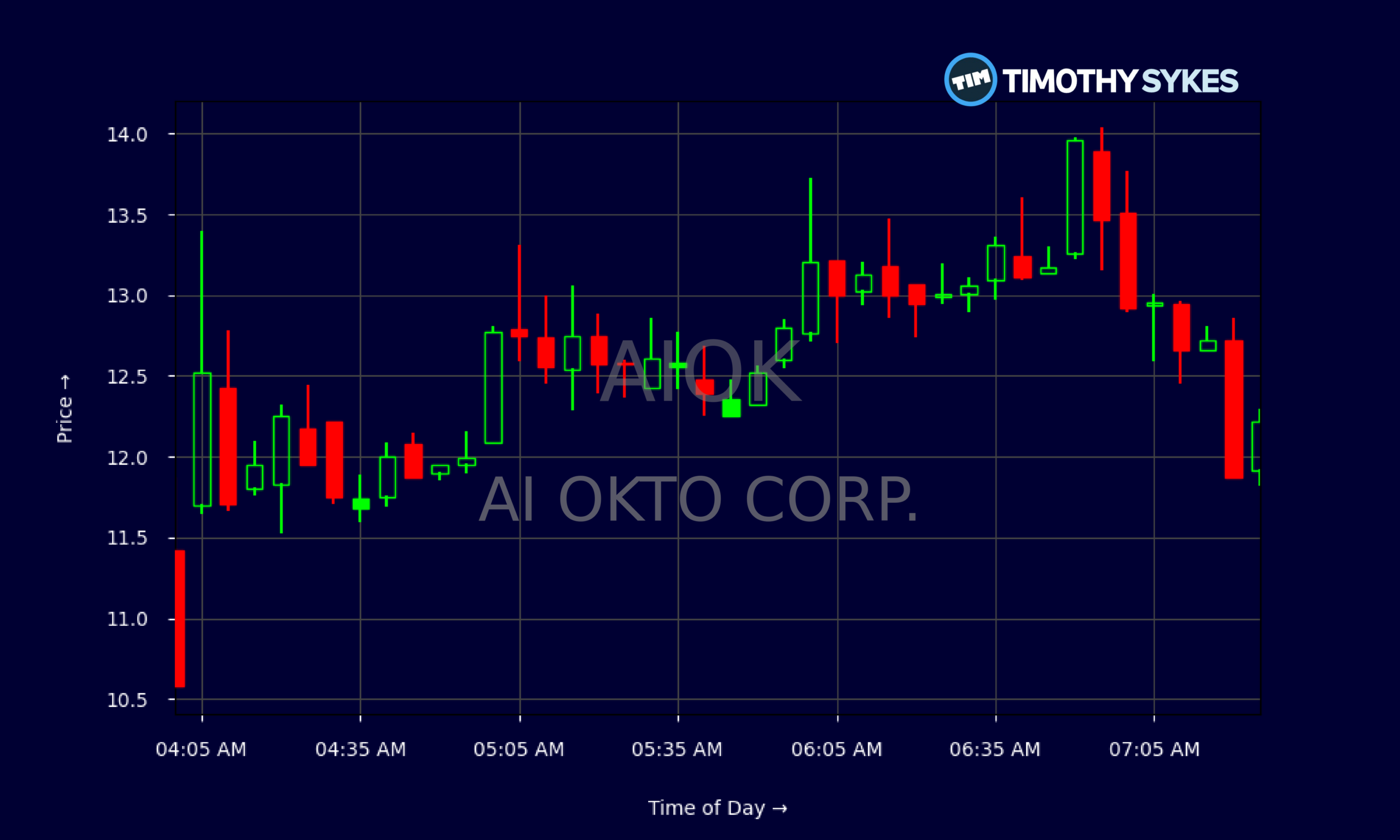
Live Update At 07:32:40 EST: On Wednesday, November 04, 2026 AI OKTO CORP. stock [NASDAQ: AIOK] is trending up by 23.27%! Discover the key drivers behind this movement as well as our expert analysis in the detailed breakdown below.
Quick Financial Overview
AI OKTO CORP. is trading like a classic low-float momentum play, but the numbers under the hood still matter. AIOK generated roughly $7.6M in operating revenue, yet it posted a net loss of about $2.1M and an operating loss near $1.7M. Basic EPS sits at -$0.15, so this is not a steady profit machine; it’s a developing story that traders are pricing for future potential and asset value.
On the balance sheet, AIOK lists about $50.2M in total assets and roughly $48.9M in equity, with only about $1.3M in total liabilities. That means leverage is low, which gives AI OKTO room to maneuver, but cash is thin — just $622 at period end — so asset sales like Dream Arrax look strategically important.
More Breaking News
Recent cash flow shows negative operating cash of around -$7.8M and free cash flow of roughly -$7.8M as well. For traders, that screams “capital hungry” and helps explain why a $18M asset sale is being treated as a big deal. On the chart, AIOK ripped from the $4s into the $20s and back toward $10, showing massive range. This is a trader’s stock, not a widows-and-orphans name.
Why Traders Are Watching AIOK’s Dream Arrax Catalyst
The market’s reaction to AI OKTO’s Dream Arrax sale has been explosive. A single deal — selling its LPG carrier Dream Arrax to Robin Energy for $18M — sent AIOK up 138% on extremely elevated trading volume. When one headline triggers that kind of move, traders know they’re playing in a momentum minefield.
Before the latest surge, AIOK had already been on a wild ride. The daily chart shows it sliding around the $4–$5 area, then suddenly spiking into the high $20s on earlier speculation, then fading back. This kind of price action tells you AIOK is being treated as a trading vehicle first and a business story second. The Dream Arrax deal just poured gasoline on an already hot tape.
Why the strong reaction? For one, $18M is material compared to AI OKTO’s size. With revenue under $10M and total assets near $50M, a locked-in $18M transaction is a meaningful chunk of value. Traders see that and quickly try to re-price the stock, especially when balance sheet leverage is low and equity is high.
The five-minute intraday chart backs this up. AIOK whipped between the low $12s and near $14 in premarket, with tight consolidations followed by sharp breaks. That’s textbook day-trader behavior: algorithms and momentum traders piling in, scalping pennies and dimes on each swing. For short sellers, this type of elevated volume means borrow risk and squeeze risk. For long-biased traders, AIOK presents opportunity — but only for those who respect risk and cut losses fast.
Conclusion
AIOK has become a live case study in how one corporate move can reset market psychology. The Dream Arrax sale to Robin Energy for $18M did more than clean up the AI OKTO balance sheet; it gave traders a clear, simple catalyst to trade around. In a small-cap name with limited cash, monetizing a major LPG carrier signals that management is willing to unlock asset value rather than just talk about potential.
But the same force that pushed AIOK up 138% can slam it back down. The chart already shows boom-and-bust behavior, with AI OKTO spiking from the mid-single digits into the $20s and then retracing toward $10. That’s the pattern momentum traders know well: early entries and disciplined exits get rewarded, while greed and hesitation lead to big drawdowns.
For traders tracking AIOK now, the key questions revolve around follow-through. Does AI OKTO deploy the Dream Arrax cash in a way the market likes, or does the story stall after the headline fades? Volume and price action will answer that long before any formal filings.
Tim Sykes says it best: “Patterns repeat, but only prepared traders profit from them.” As millionaire penny stock trader and teacher Tim Sykes says, “The goal is not to win every trade but to protect your capital and keep moving forward.”. AI OKTO is giving the market a familiar pattern — a sharp catalyst, huge volume, and wide intraday ranges. For educational and research-focused traders, AIOK is a real-time lesson in momentum, liquidity, and why having a trading plan matters more than any single news story.
This is stock news, not investment advice. Timothy Sykes News delivers real-time stock market news focused on key catalysts driving short-term price movements. Our content is tailored for active traders and investors seeking to capitalize on rapid price fluctuations, particularly in volatile sectors like penny stocks. Readers come to us for detailed coverage on earnings reports, mergers, FDA approvals, new contracts, and unusual trading volumes that can trigger significant short-term price action. Some users utilize our news to explain sudden stock movements, while others rely on it for diligent research into potential investment opportunities.
Dive deeper into the world of trading with Timothy Sykes, renowned for his expertise in penny stocks. Explore his top picks and discover the strategies that have propelled him to success with these articles:
- Penny Stocks Trading Guide
- Best Penny Stocks Under $1 to Buy Today
- Top 8 Penny Stocks to Watch on Robinhood
Once you’ve got some stocks on watch, elevate your trading game with StocksToTrade the ultimate platform for traders. With specialized tools for swing and day trading, StocksToTrade will guide you through the market’s twists and turns.
Dig into StocksToTrade’s watchlists here:




Leave a reply