
SK hynix Inc. stocks have been trading up by 3.24 percent amid upbeat sentiment on its advanced AI memory chips
Key Takeaways
- Shares of SK hynix Inc. (SKHY) jumped more than 7% after higher Q3 earnings and revenue signaled strong operational momentum and bullish sentiment among active traders.
- Rosenblatt defended SK Hynix after a CXMT-driven selloff, arguing DRAM demand is structurally improving and backing the name with a reiterated Buy call.
- A proposed 16 trillion won ($12B) special dividend from Kioxia gains pushed SK Hynix shares over 3% higher in premarket trading.
- The planned Solidigm US IPO, targeting up to $10B, shows SK Hynix working to unlock NAND/flash value despite short-term volatility.
- Factory upgrades in China position SK Hynix for advanced AI memory demand, though U.S. export controls remain a key swing factor for SKHY traders.
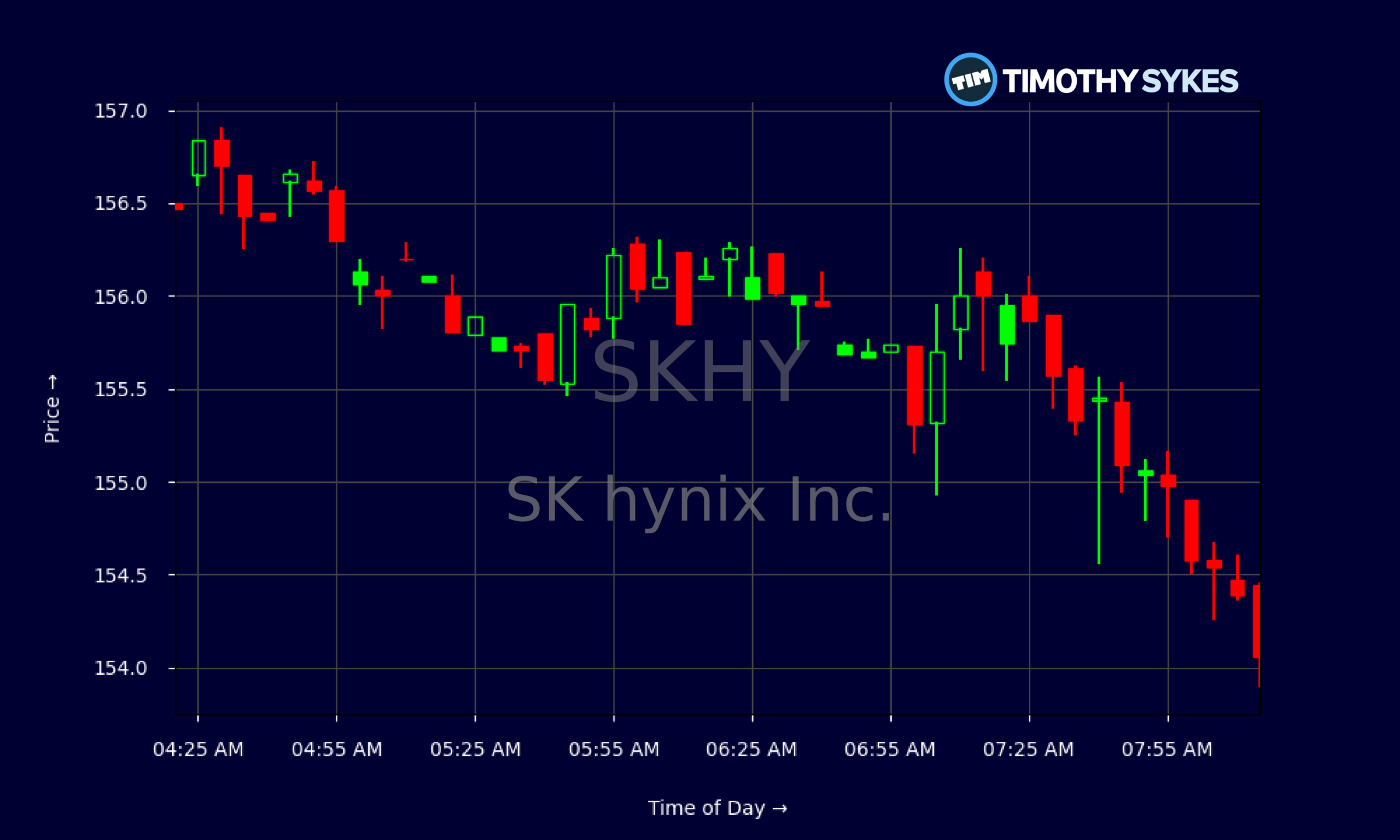
Live Update At 08:18:51 EST: On Monday, November 02, 2026 SK hynix Inc. stock [NASDAQ: SKHY] is trending up by 3.24%! Discover the key drivers behind this movement as well as our expert analysis in the detailed breakdown below.
Quick Financial Overview
SKHY has been trading like a textbook momentum play. From 2026/10/08 to 2026/10/30, SK hynix Inc. swung from a high near $177 down into the mid-$140s, then bounced toward the high $160s before sliding again into the high $140s. That is a wide, volatile range, and it tells traders this name rewards timing, not hope.
The latest 7% surge on strong Q3 earnings and revenue fits the chart. SKHY has been carving a series of sharp push-and-pull moves, with big green days often clustering around news. The recent close around $149.21, after a failed attempt to hold above $160, shows SK hynix still digesting that spike as traders lock in profits and reassess risk.
More Breaking News
Under the hood, SK Hynix is not trading like a broken story. A price-to-earnings ratio near 3.76 and a price-to-sales multiple around 17.04 point to a market willing to pay up for growth and AI leverage. Return on invested capital above 70% signals serious efficiency on recent capital deployment. With revenue north of $97T won and a solid leverage ratio at 1.5, SKHY has the balance sheet and cash generation to keep funding capex, dividends, and spin-off moves that keep the trading narrative alive.
Why Traders Are Watching SKHY Right Now
SKHY is sitting at the crossroads of three powerful themes: an AI-driven memory upcycle, aggressive shareholder returns, and a visible effort to unlock hidden value. That is why the 7% pop after SK hynix posted higher Q3 earnings and revenue drew so much attention. This was not a sympathy move. Traders were rewarding real numbers and clear operational momentum.
On the demand side, SK Hynix sits in the slipstream of the AI wave. Microsoft just highlighted that its new laptop-capable AI model needs about 60GB of memory. That is a massive load per device, and it shines a spotlight on suppliers like SK Hynix that build the high-capacity DRAM and NAND these systems require. At the same time, AMD is working directly with SK Hynix to secure AI memory supply, and leadership talks around AMD’s data center roadmap underscore how deeply SKHY is plugged into this ecosystem.
Rosenblatt’s call that the CXMT-triggered selloff was overdone gave traders another data point. The firm reiterated its positive view on SK Hynix and argued the market is overstating Chinese competition and understating structurally improving DRAM demand. For active SKHY traders, that kind of analyst backing often turns pullbacks into watchlist alerts, especially when the broader tape agrees.
Strategically, SK Hynix is not standing still. It is considering a roughly 16 trillion won ($12B) special dividend funded by Kioxia gains, sending shares up more than 3% premarket on that headline alone. Capital returns of that scale can reset how the market values SKHY and keep the tape in play for swing setups.
At the same time, the Solidigm flash-memory spin-off is lining up a potential US IPO targeting about $10B at up to a $100B valuation. That is a clear attempt to spotlight the worth of SK Hynix’s NAND/flash assets. There was a brief more-than-1% premarket dip when Solidigm formally tapped Goldman Sachs and Morgan Stanley as lead banks, reminding traders that execution risk and dilution fears can still rattle nerves even in a bullish story.
Finally, SK Hynix is teaming with Samsung to upgrade China fabs for more advanced memory chips to chase AI-driven demand and counter Yangtze Memory. That is bullish for long-term share, but the company still has to thread the needle of U.S. export controls and licensing. For SKHY, this mix of upside capex and geopolitical overhang is exactly what drives the day-to-day volatility that short-term traders hunt.
Conclusion
For active traders, SKHY is not a sleepy semiconductor value play. It is a live-wire memory stock sitting in the middle of the AI build-out, and the tape reflects that. Strong Q3 earnings and revenue lit the latest 7% surge, but the deeper story is about SK hynix Inc. using this upcycle to reshape its business and reward its shareholders.
The potential $12B special dividend from Kioxia gains, the planned Solidigm IPO, and aggressive fab upgrades in China all tell the same story: SK Hynix is treating this AI window as a chance to both grow and surface value. At the same time, headlines around export rules, Chinese competitors like CXMT and Yangtze Memory, and IPO execution risk keep a constant edge in SKHY’s trading. Pullbacks tied to these worries have already been framed by Rosenblatt as overreactions within a structurally stronger DRAM market.
For short-term players, that means SKHY is a “react, don’t predict” ticker. Watch how price responds to each new headline, track volume rushes around dividend and IPO news, and respect both sides of the volatility. As Tim Sykes likes to remind traders, “The market doesn’t care about your opinion, only your discipline.” As millionaire penny stock trader and teacher Tim Sykes, says, “It’s better to go home at zero than to go home in the red.”. With a stock like SKHY, that discipline—cutting losses fast and trading the trend, not the story—is what keeps you in the game while SK hynix Inc. rides the AI memory wave.
This is stock news, not investment advice. Timothy Sykes News delivers real-time stock market news focused on key catalysts driving short-term price movements. Our content is tailored for active traders and investors seeking to capitalize on rapid price fluctuations, particularly in volatile sectors like penny stocks. Readers come to us for detailed coverage on earnings reports, mergers, FDA approvals, new contracts, and unusual trading volumes that can trigger significant short-term price action. Some users utilize our news to explain sudden stock movements, while others rely on it for diligent research into potential investment opportunities.
Dive deeper into the world of trading with Timothy Sykes, renowned for his expertise in penny stocks. Explore his top picks and discover the strategies that have propelled him to success with these articles:
- Penny Stocks Trading Guide
- Best Penny Stocks Under $1 to Buy Today
- Top 8 Penny Stocks to Watch on Robinhood
Once you’ve got some stocks on watch, elevate your trading game with StocksToTrade the ultimate platform for traders. With specialized tools for swing and day trading, StocksToTrade will guide you through the market’s twists and turns.
Dig into StocksToTrade’s watchlists here:





Leave a reply