
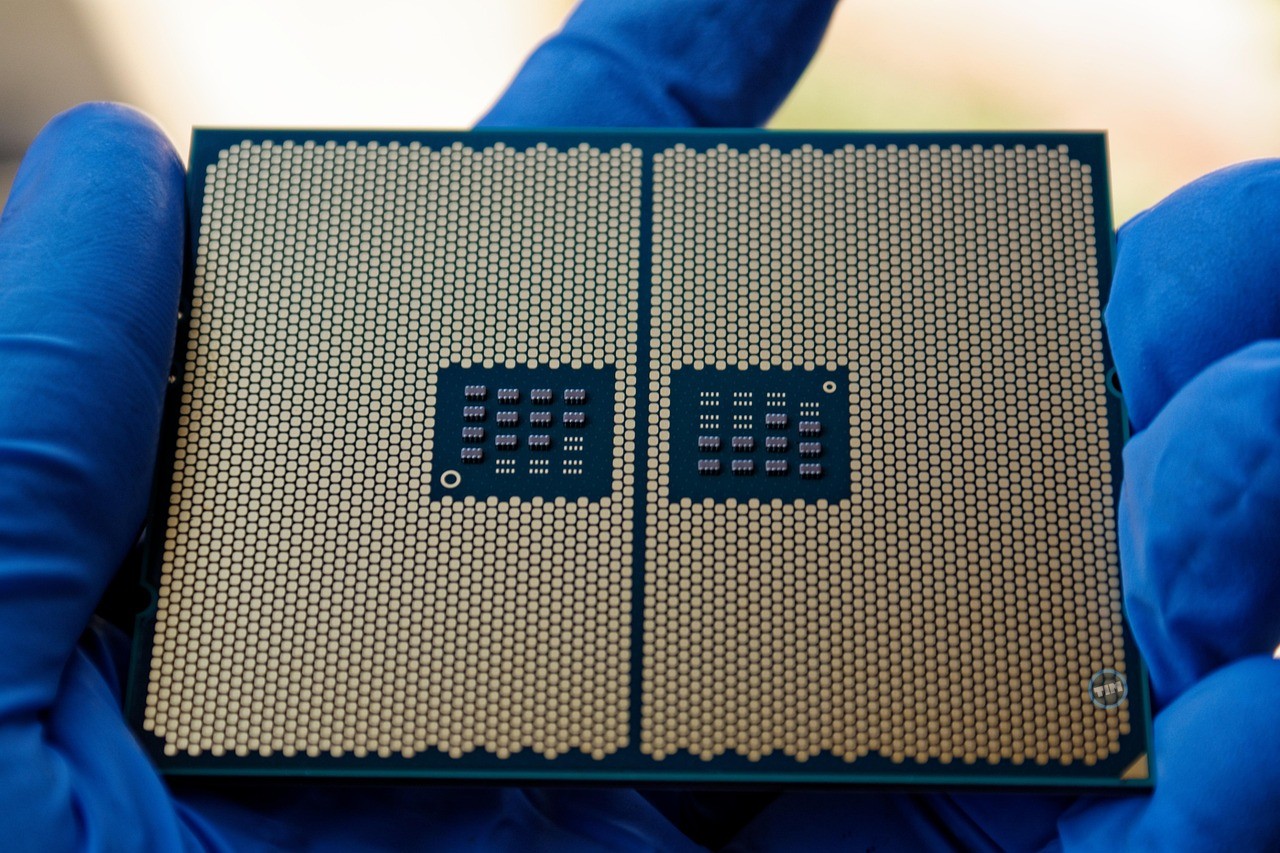
Rambus Inc. stocks have been trading up by 6.17 percent amid upbeat sentiment over its latest semiconductor IP advancements.
Key Takeaways
- Rambus launched an industry‑leading PMIC aimed at next‑generation LPDDR6 SOCAMM2 server memory, targeting more power‑efficient AI data centers.
- The new RMBS power chip is already sampling to lead customers and aligns with Micron and others pushing low‑power AI memory.
- Q3 FY2026 earnings call is scheduled, keeping RMBS in focus as a core chips and silicon IP supplier to AI infrastructure.
- Director Charles Kissner’s 5,000‑share sale for about $555,000 adds a minor overhang after RMBS slipped 1.66% to $110.11 on 2026/10/02.
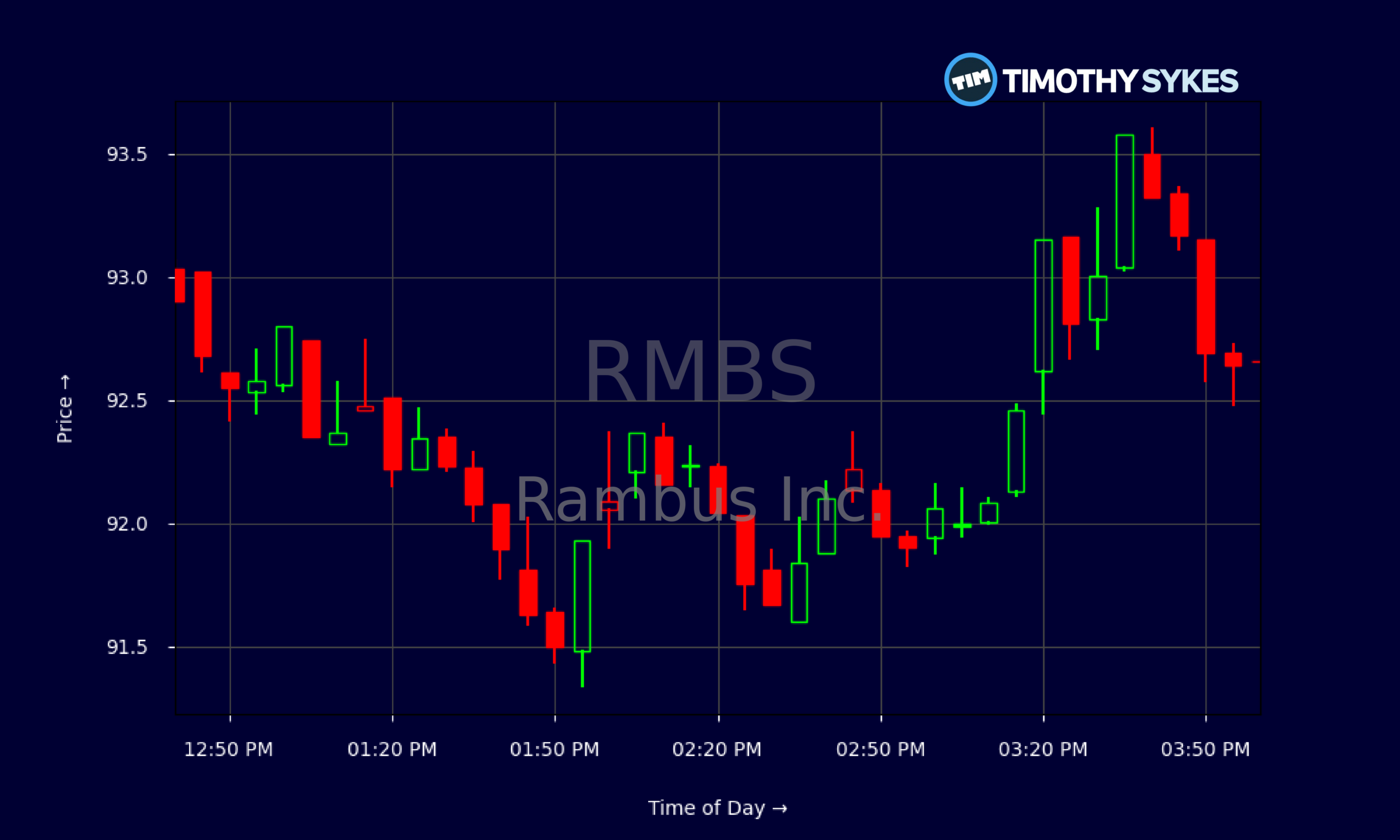
Live Update At 16:46:54 EDT: On Monday, October 19, 2026 Rambus Inc. stock [NASDAQ: RMBS] is trending up by 6.17%! Discover the key drivers behind this movement as well as our expert analysis in the detailed breakdown below.
Quick Financial Overview
RMBS is trading like a high‑quality, high‑expectation AI infrastructure name. The recent close around $92.66 marks a sharp pullback from the $110+ area seen earlier in October, but the bigger picture still shows a strong uptrend. Over the past few weeks, RMBS has swung from $101–$115 down into the low $90s, signaling profit‑taking and volatility rather than a broken story.
Under the hood, Rambus looks financially solid. Revenue runs near $708M annually, with gross margin close to 79.5%. That means RMBS keeps almost eighty cents of each dollar of sales after direct costs — elite territory for a chip and IP business. EBIT margin around 36% and profit margin near 32% reinforce that this is a cash engine, not a turnaround.
More Breaking News
The balance sheet is clean. Debt is almost negligible, with long‑term debt near $16M against equity of about $1.47B, and a current ratio near 9.8. RMBS also throws off healthy free cash flow, roughly $52M last quarter, even while spending on growth. The trade‑off is valuation: a P/E near 49 and price‑to‑sales over 15 say traders are already paying up for this AI and data‑center story, so timing and risk management matter.
Why Traders Are Watching RMBS Now
Rambus just gave traders a new catalyst: an “industry‑leading” power management IC for next‑generation LPDDR6 SOCAMM2 server memory. This is not a minor tweak. AI data centers are running hotter and hungrier every year, and power is quickly becoming the bottleneck. RMBS is stepping right into that choke point with a chip designed to manage power more efficiently at the memory‑module level.
The new RMBS PMIC is already sampling to lead customers. That matters. When a chip is sampling, it’s in the hands of real system designers, getting qualified for future servers. It is not a science project. That early access gives Rambus a shot at design wins across the coming wave of LPDDR6‑based AI servers.
RMBS is also positioning this part alongside partners like Micron that are pushing low‑power memory for AI workloads. That ecosystem angle is key. Traders watching RMBS are not just betting on one chip; they’re looking at a platform that ties into the broader AI hardware stack — memory, controllers, power, and IP.
At the same time, Rambus has lined up its Q3 FY2026 earnings call. No early guidance, no pre‑release fireworks. So expectations stay steady, and the focus likely shifts to commentary on AI demand, server memory roadmaps, and adoption of this new PMIC. For short‑term traders, that call is the next obvious volatility event.
On the other side of the tape, the Charles Kissner sale — 5,000 RMBS shares for about $555,000, with the stock down 1.66% at $110.11 on 2026/10/02 — gives bears something to talk about. But it looks more like routine profit‑taking than a red flag: he still holds 44,292 shares. For active trading, that kind of insider move can create a dip, but the real trend driver remains the AI‑focused product pipeline.
Conclusion
RMBS now sits at an interesting crossroads for traders. The stock has pulled back from triple‑digits into the low $90s, even as Rambus pushes deeper into AI data center infrastructure with its new LPDDR6 SOCAMM2 PMIC. Financials show a company with fat margins, strong cash flow, and almost no debt, but also a premium valuation that demands continued execution.
Heading into the Q3 FY2026 earnings call, RMBS traders will be laser‑focused on three things: traction for the new power management chip, any color on design wins or customer sampling, and updated commentary on AI and data‑center demand. The Kissner share sale adds a small psychological hurdle, yet does little to change the underlying AI thesis.
For short‑term setups, RMBS offers exactly what active traders look for: a real fundamental catalyst, sector tailwinds, and enough volatility to reward sharp entries and quick exits. For longer‑term swing trades, the challenge is balancing that rich P/E with the company’s clear role in AI memory and power management. This is where strict discipline on cutting losses and avoiding over‑sizing becomes crucial; as millionaire penny stock trader and teacher Tim Sykes, says, “It’s better to go home at zero than to go home in the red.” For RMBS, that means treating each setup as just one trade among many, not a must‑win bet.
Tim Sykes always says, “Patterns repeat, but only prepared traders profit.” RMBS is a live example of that idea — a strong story stock where the chart, the catalysts, and the risk management plan all have to line up before taking the trade.
This is stock news, not investment advice. Timothy Sykes News delivers real-time stock market news focused on key catalysts driving short-term price movements. Our content is tailored for active traders and investors seeking to capitalize on rapid price fluctuations, particularly in volatile sectors like penny stocks. Readers come to us for detailed coverage on earnings reports, mergers, FDA approvals, new contracts, and unusual trading volumes that can trigger significant short-term price action. Some users utilize our news to explain sudden stock movements, while others rely on it for diligent research into potential investment opportunities.
Dive deeper into the world of trading with Timothy Sykes, renowned for his expertise in penny stocks. Explore his top picks and discover the strategies that have propelled him to success with these articles:
- Penny Stocks Trading Guide
- Best Penny Stocks Under $1 to Buy Today
- Top 8 Penny Stocks to Watch on Robinhood
Once you’ve got some stocks on watch, elevate your trading game with StocksToTrade the ultimate platform for traders. With specialized tools for swing and day trading, StocksToTrade will guide you through the market’s twists and turns.
Dig into StocksToTrade’s watchlists here:





Leave a reply