

Crocs Inc. surges as strong consumer demand and upbeat analyst upgrades propel optimism, with stocks have been trading up by 25.66 percent.
Key Takeaways
- Barclays upgraded CROX to Overweight from Equal Weight and lifted its price target to $139 from $118, flagging a clearer multi‑year growth story and strengthening international trends.
- Shares of CROX spiked roughly 6–7% after the upgrade, as traders reacted to the higher $139 target versus prices near the mid‑$120s at the time.
- UBS remains Neutral on CROX with a $120 target, expecting an EPS beat but softer reported North America revenue due to an Amazon channel shift.
- The BARK x Crocs partnership is expanding from sold‑out pet clogs into branded beds, toys, and walk accessories, deepening the Crocs Inc. brand in the pet category.
- Crocs Inc. will host its Q3 2026 earnings call on 2026/10/29, a key catalyst for traders tracking the North America versus international narrative in CROX.
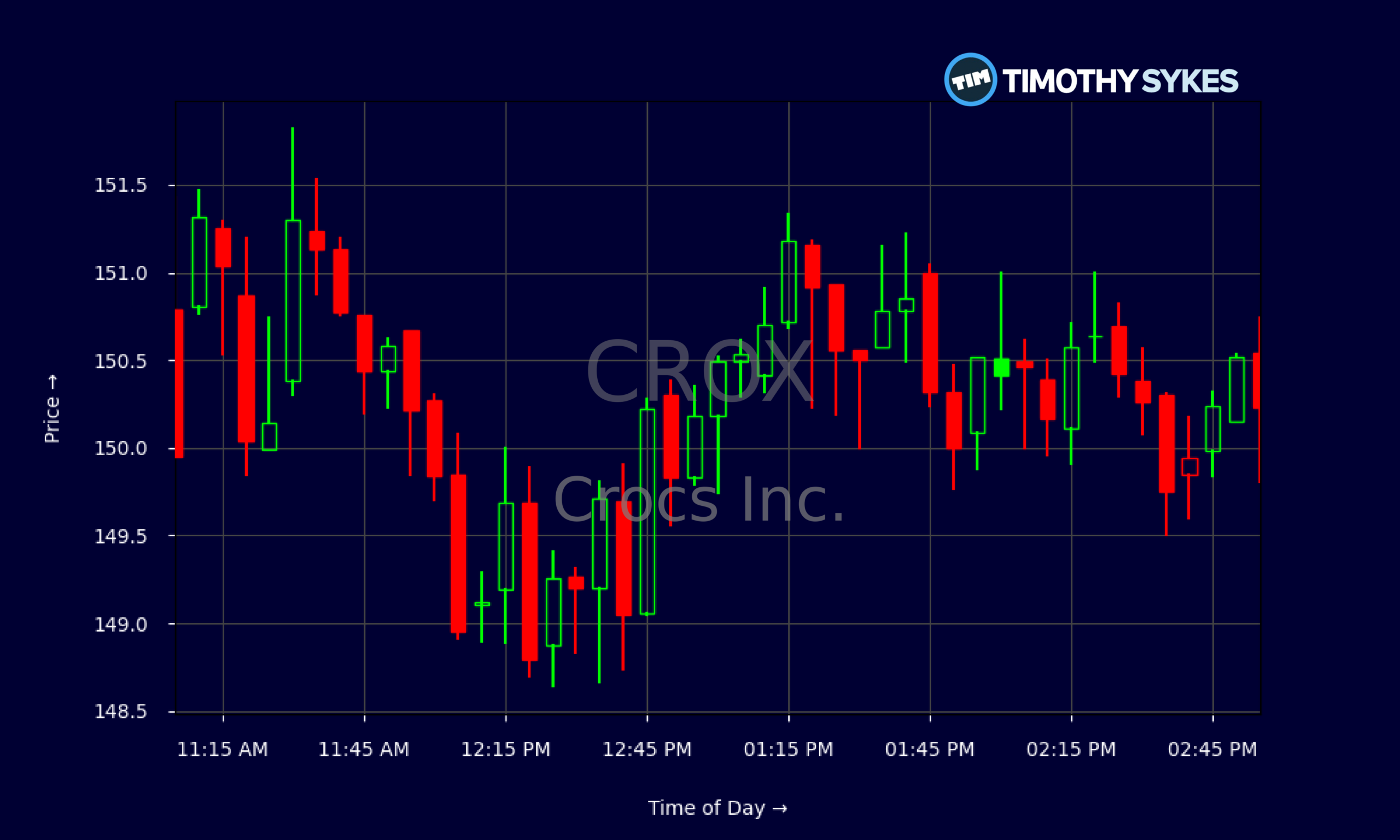
Live Update At 15:02:38 EDT: On Thursday, October 29, 2026 Crocs Inc. stock [NASDAQ: CROX] is trending up by 25.66%! Discover the key drivers behind this movement as well as our expert analysis in the detailed breakdown below.
Quick Financial Overview
CROX has been acting like a strong momentum name on the chart. Over the last stretch of sessions, Crocs Inc. climbed from closes around $118–$121 to about $150.092 on 2026/10/29. That’s a sharp, clean leg higher, and the intraday tape backs it up. The 5‑minute chart shows steady grinding action between $147 and $151, with higher lows and tight consolidations — classic strong‑trend behavior that short‑term traders look for.
Under the hood, CROX is not trading like a hype-only story. With revenue around $4.04B and a price‑to‑sales ratio of roughly 1.36, the market is paying just over a dollar for each dollar of Crocs Inc. sales. A P/E near 10.15 is low for a branded consumer name posting a profit margin near 14.6% and gross margin around 57.5%. That kind of margin profile tells traders the core Crocs Inc. business is still very efficient.
More Breaking News
Leverage is real but manageable. Total debt‑to‑equity sits around 1.22, backed by interest coverage over 11 times. Current and quick ratios of about 1.5 and 0.9 show CROX can handle near‑term bills. For traders, that combination — strong margins, reasonable valuation, and a powerful trend — explains why momentum is building into the Q3 earnings event.
Why Traders Are Watching CROX Right Now
The latest spark for CROX came from the Street. Barclays stepped up and upgraded Crocs Inc. to Overweight from Equal Weight, lifting its price target to $139 from $118. That is not a small tweak. It’s a clear signal that a major firm sees a multi‑year growth runway, led by stronger international sales and early payoffs from product innovation and brand spending.
The market listened. CROX ripped about 6–7% on the upgrade, moving from the mid‑$120s toward that $139 target. What’s interesting is that this surge came on slightly below‑average trading volume. That tells active traders the move was driven more by sentiment reset than by huge institutional flows. When a stock can push to new short‑term highs without a volume blowout, it often means there’s still dry powder on the sidelines.
Barclays isn’t flying solo either. Its $139 target lines up with a roughly $138.75 mean Street target, so CROX sits in a zone where analyst views are broadly bullish and aligned. For momentum traders, that alignment matters — it reduces the risk of a surprise downgrade headline knocking the stock mid‑run.
But it’s not a perfect story. UBS is keeping a Neutral rating and a $120 target on CROX. The firm points to a split setup: strong international momentum but softer North America. A key driver is structural, not necessarily demand destruction. Amazon sales are shifting from a third‑party, direct‑to‑consumer model into a first‑party wholesale model. On paper, that pressures reported North America revenue, even if end‑customer demand for Crocs Inc. product stays solid.
UBS still expects an EPS beat, steady full‑year revenue guidance, and slightly higher EPS guidance. For traders, that mixed stance is actually helpful. It explains why CROX can run on upgrades while still leaving room for volatility around the earnings print.
On top of that, the expanded BARK x Crocs line shows the brand is not standing still. Moving from sold‑out Pet Crocs shoes into beds, toys, and dog‑walk accessories — all on bark.co and crocs.com — is classic Crocs Inc. playbook: lean on the iconic clog design, monetize it across categories, and keep the brand loud on social feeds. Traders watching consumer names know this kind of low‑capex brand extension can add incremental revenue and keep the CROX story fresh.
Conclusion
CROX is heading into its 2026/10/29 Q3 earnings call with momentum, both on the chart and in the analyst community. Crocs Inc. has a stock pressing into the $150 area, strong profitability, and a valuation that still screens as undemanding for a global lifestyle brand. Barclays’ shift to Overweight with a $139 target, supported by a generally bullish Street, signals that big firms now see Crocs Inc. as a longer‑term compounder, not just a fad clog story.
At the same time, traders need to respect the cross‑currents. UBS is flagging softer reported North America trends tied to Amazon channel mix even as it calls for an EPS beat and steady guidance. That sets up CROX for classic earnings‑day volatility, where headline numbers might look messy but the underlying demand story remains intact. The growing BARK x Crocs partnership only adds fuel to the “brand stretch” angle that many momentum traders like to see.
For active traders, the playbook is the same one Tim Sykes pounds into his students: “Cut losses quickly, don’t fall in love with any stock, and let the chart confirm the story.” As millionaire penny stock trader and teacher Tim Sykes, says, “It’s better to go home at zero than to go home in the red.”. CROX has a bullish story right now — analyst upgrades, brand innovation, and strong margins — but the only thing that ultimately matters for trading is how Crocs Inc. trades around that Q3 call and whether the price action confirms or rejects the Street’s optimism.
This is stock news, not investment advice. Timothy Sykes News delivers real-time stock market news focused on key catalysts driving short-term price movements. Our content is tailored for active traders and investors seeking to capitalize on rapid price fluctuations, particularly in volatile sectors like penny stocks. Readers come to us for detailed coverage on earnings reports, mergers, FDA approvals, new contracts, and unusual trading volumes that can trigger significant short-term price action. Some users utilize our news to explain sudden stock movements, while others rely on it for diligent research into potential investment opportunities.
Dive deeper into the world of trading with Timothy Sykes, renowned for his expertise in penny stocks. Explore his top picks and discover the strategies that have propelled him to success with these articles:
- Penny Stocks Trading Guide
- Best Penny Stocks Under $1 to Buy Today
- Top 8 Penny Stocks to Watch on Robinhood
Once you’ve got some stocks on watch, elevate your trading game with StocksToTrade the ultimate platform for traders. With specialized tools for swing and day trading, StocksToTrade will guide you through the market’s twists and turns.
Dig into StocksToTrade’s watchlists here:





Leave a reply