

Citigroup Inc. stocks have been trading up by 2.42 percent following upbeat earnings signaling stronger-than-expected banking performance.
Key Takeaways
- Citi secured Chinese approval to set up a wholly owned securities firm in Shanghai, paving the way for full onshore trading, underwriting, and advisory operations.
- The bank joined Bank of America, Morgan Stanley, and Blackstone in a roughly $63B SPV financing to fund Broadcom AI hardware for Anthropic, locking in a marquee AI infrastructure role.
- Citigroup, HSBC, and JPMorgan are nearing a $10B loan facility for Saudi Aramco, adding another mega-deal to C’s lending and fee pipeline.
- American Airlines and Citi are upgrading Citi / AAdvantage cards from 2027 with richer travel rewards and protections while lifting annual fees to $150.
- JPMorgan nudged its Citigroup price target up to $148.50 with an Overweight call, while the average target of $151.65 signals broadly constructive Street sentiment on C.
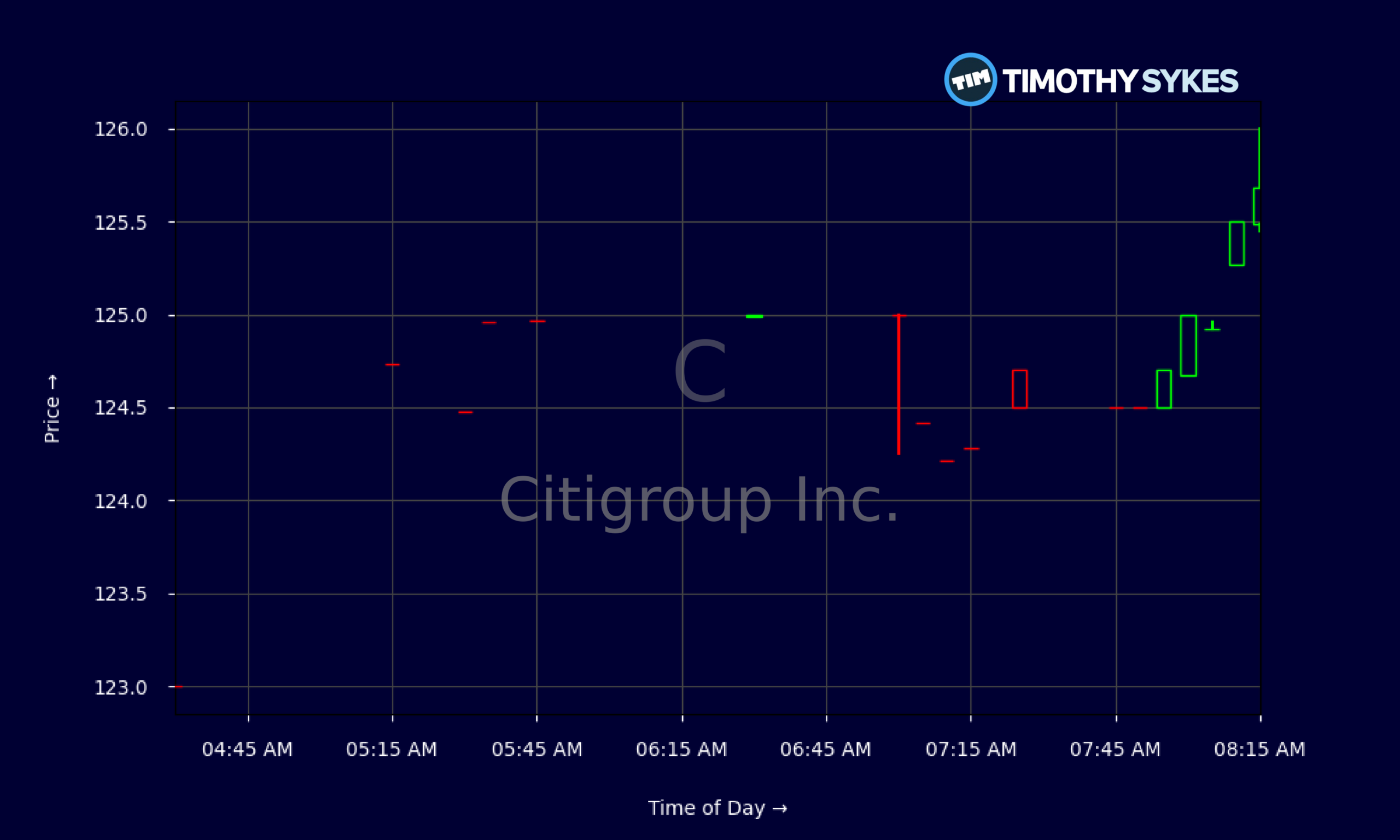
Live Update At 08:19:13 EST: On Wednesday, November 04, 2026 Citigroup Inc. stock [NYSE: C] is trending up by 2.42%! Discover the key drivers behind this movement as well as our expert analysis in the detailed breakdown below.
Quick Financial Overview
Citigroup Inc. (C) is trading in a tight but choppy range after a big break lower from the mid-$130s. Over the last few weeks, C has swung between roughly $120 and $127, with recent closes around $122–$123. That range tells traders this is a digestion phase after volatility, not a full-on trend reversal yet.
The daily chart shows C failing to hold the $130 breakout (it tagged above $133 before sliding), then stabilizing around its book value zone. Book value per share sits near $114.74, and with C trading just above that, the price‑to‑book ratio of about 1.13 keeps the stock in “value bank” territory rather than a momentum name.
More Breaking News
Fundamentally, Citigroup’s trailing price‑to‑earnings ratio around 13.97 looks modest given a profit margin near 18%–20% and revenue of roughly $85.2B. Return on equity near 8% is not elite, but it’s improving. Leverage is high, as you’d expect for a global bank, with a leverage ratio of 15 and total debt to equity above 2.0, so traders always need to respect macro and credit-cycle risk. The 2.2% dividend yield, backed by a $2.68 annual payout and recent buybacks, adds a slow‑bleed tailwind for swing traders who sit through minor dips.
Why Traders Are Watching C Right Now
C is suddenly tied to several of the biggest themes on Wall Street: AI infrastructure, China expansion, and global energy and travel flows. For active traders, that mix can drive powerful narrative momentum when headlines hit.
On the AI front, Citigroup is part of a consortium with Bank of America, Morgan Stanley, and Blackstone structuring about $63B in financing for an SPV that will buy Broadcom’s AI hardware and lease it to Anthropic. Broadcom later detailed this $63B arrangement, spelling out multi‑year funding for AI accelerators and networking gear starting in 2027. For C, this looks like a long-duration fee and interest-income stream tied directly to one of the most hyped growth areas in markets. When traders hunt for “banks with AI exposure,” Citigroup now shows up on that list.
At the same time, Citi received Chinese regulatory approval to set up a wholly owned securities firm in Shanghai. Once it finishes licensing and capitalization, Citigroup will be able to run full onshore underwriting, brokerage, trading, research, and advisory. That is not a short-term trading catalyst, but it is a major strategic chip in the world’s second‑largest economy. For C’s multiple, that kind of structural growth option can matter over time.
Then there’s the Saudi Aramco angle. Citigroup, HSBC, and JPMorgan are close to arranging a $10B loan facility for the oil giant. It’s another reminder that C still plays at the top of the global lending table, adding chunky fee and interest income to the pipeline.
Layer on consumer and card economics. Citi and American Airlines, alongside Mastercard, are boosting rewards and protections on the Citi / AAdvantage Platinum Select and AAdvantage Business cards from 2027, while hiking annual fees from $99 to $150. If cardholders stick, Citigroup’s card margins rise. That’s exactly the kind of steady earnings driver that gives traders confidence to buy dips rather than run from every headline.
Finally, JPMorgan’s small price‑target bump to $148.50 and an Overweight rating — plus a mean target around $151.65 — tells you the Street is leaning bullish, not defensive, on C. When big deals hit the tape into that backdrop, traders tend to lean long on strong technical setups.
Conclusion
Putting it all together, Citigroup Inc. sits at an interesting crossroads for active traders. The chart says consolidation: C is hovering just above book value, stuck between support in the low‑$120s and resistance in the mid‑$120s to high‑$120s after failing at the low‑$130s. But the news tape says expansion — into AI, into China, into mega‑cap corporate lending, and deeper into its co‑branded travel card franchise.
Citi’s roles in the $63B Anthropic AI hardware SPV, the planned $10B Saudi Aramco facility, and the Anthropic IPO’s international tranche all show a global capital‑markets machine that’s very much in the game. The Shanghai securities approval and richer Citi / AAdvantage card economics add long‑tail revenue drivers. On the risk side, Citigroup is still a highly leveraged global bank, tightening controls on third‑party AI access and extending financing tied to concentrated tech and media stakes — all factors traders need on their checklist.
For traders, the edge often comes from marrying that narrative with price action. Risk management and discipline matter just as much as spotting the right chart setup; as millionaire penny stock trader and teacher Tim Sykes says, “It’s better to go home at zero than to go home in the red.”. As Tim Sykes loves to say, “Patterns repeat because human nature doesn’t change — your job is to study them until you recognize them in real time.” With C, the pattern right now is a value‑bank base forming under a steadily improving strategic story. Whether you trade it or just track it, this is one to keep on screen for educational and research purposes — not as a substitute for your own homework.
This is stock news, not investment advice. Timothy Sykes News delivers real-time stock market news focused on key catalysts driving short-term price movements. Our content is tailored for active traders and investors seeking to capitalize on rapid price fluctuations, particularly in volatile sectors like penny stocks. Readers come to us for detailed coverage on earnings reports, mergers, FDA approvals, new contracts, and unusual trading volumes that can trigger significant short-term price action. Some users utilize our news to explain sudden stock movements, while others rely on it for diligent research into potential investment opportunities.
Dive deeper into the world of trading with Timothy Sykes, renowned for his expertise in penny stocks. Explore his top picks and discover the strategies that have propelled him to success with these articles:
- Penny Stocks Trading Guide
- Best Penny Stocks Under $1 to Buy Today
- Top 8 Penny Stocks to Watch on Robinhood
Once you’ve got some stocks on watch, elevate your trading game with StocksToTrade the ultimate platform for traders. With specialized tools for swing and day trading, StocksToTrade will guide you through the market’s twists and turns.
Dig into StocksToTrade’s watchlists here:





Leave a reply