

BitMine Immersion Technologies Inc. stocks have been trading down by -6.61 percent amid pessimistic sentiment over crypto-mining profitability.
Key Takeaways
- Shares of BMNR have pulled back from the $28 area to near $21, signaling a cooling phase after a sharp run.
- BitMine Immersion Technologies Inc. posts strong gross margins but massive net losses, pointing to an early-stage, high-burn model.
- Cash of about $340M against minimal debt gives BMNR runway, but return metrics remain deeply negative.
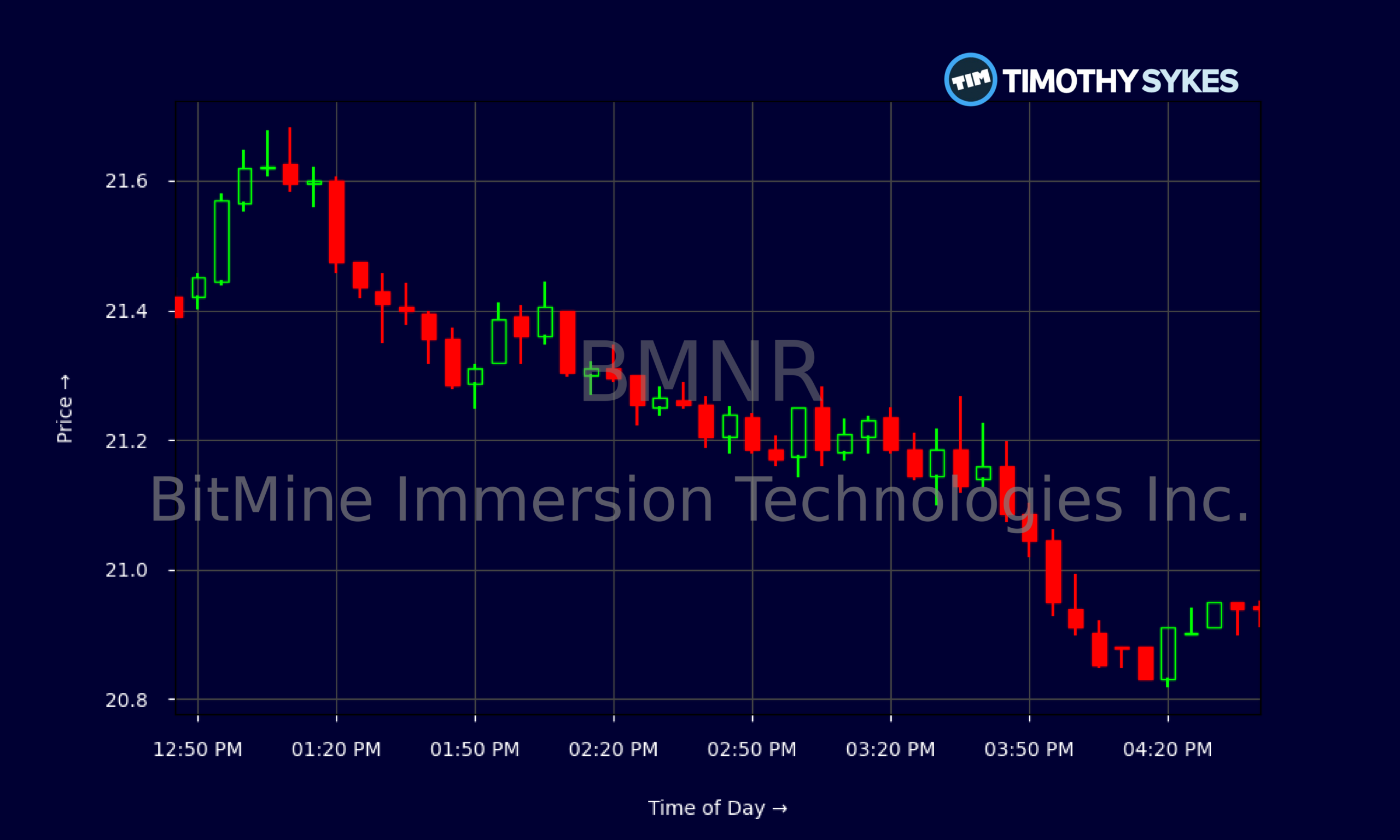
- Intraday trading shows tight consolidation around $21, with range compression hinting at a possible bigger move ahead.
Live Update At 16:46:43 EDT: On Monday, October 26, 2026 BitMine Immersion Technologies Inc. stock [NYSE: BMNR] is trending down by -6.61%! Discover the key drivers behind this movement as well as our expert analysis in the detailed breakdown below.
Quick Financial Overview
BitMine Immersion Technologies Inc., trading under ticker BMNR, is a classic high-risk, early-stage story. Revenue for the latest quarter came in around $46.5M, but BMNR is still bleeding cash hard, with net income at roughly -$83.6M and an EBITDA loss near -$88.5M. That tells traders BMNR is spending heavily to build its platform and scale.
The gross margin near 83.5% is eye-catching. It says that once BitMine Immersion Technologies Inc. gets volume, each extra dollar of sales should be very profitable on a cost basis. The problem is everything below gross profit. Operating expenses of about $52.7M and large non-cash and financial hits push BMNR deep into the red.
More Breaking News
On the balance sheet, BMNR shows about $340M in cash and essentially no meaningful long-term debt, plus a current ratio north of 30. That’s huge liquidity. But the price-to-sales ratio above 230 and negative returns on equity and assets tell traders they are paying up for a story, not current earnings. BMNR is all about future potential versus present performance.
Why Traders Are Watching BMNR Price Action
BMNR has been in a controlled slide over the past few weeks, and that alone draws momentum traders. BitMine Immersion Technologies Inc. topped near $28 earlier in the month and has since faded toward the low $20s, closing the latest session around $20.95. That’s a sizable pullback, and in this niche of speculative tech and infrastructure plays, volatility is the whole game.
Look at the daily chart first. BMNR spent early October grinding in the mid-$20s, with several sessions closing between $26 and $27. From there, BitMine Immersion Technologies Inc. started printing lower highs and lower lows. The close slipped from $26.79 to $24.66, then into the $23s, and now down near $21. That steady downtrend shows sellers are in control, but it also creates clear resistance zones traders can map.
Zoom in to the 5-minute intraday tape and BMNR looks different. Most of the day, BitMine Immersion Technologies Inc. churned in a tight band from roughly $21.15 down to $20.90 into the close. Volatility compressed, and the stock held the $20.90 area multiple times. For short-term traders, that looks like a clear battleground level.
When a high-beta name like BMNR cools off and trades sideways after a hard fade, experienced traders pay attention. Range compression often leads to range expansion. BitMine Immersion Technologies Inc. is now set up where a break over intraday resistance near $21.60–$22 could spark a squeeze toward prior daily levels, while a clean break of $20.90 opens room back into the high teens. The key is volume: BMNR needs heightened trading activity for any breakout to stick.
Conclusion
BMNR sits at an interesting crossroads. BitMine Immersion Technologies Inc. has strong gross margins, a cash-rich balance sheet, and almost no long-term debt, which gives the company time to chase its strategy. At the same time, BMNR’s income statement is brutal, with steep losses and negative returns on capital. Traders are not paying for what BitMine Immersion Technologies Inc. is today; they are speculating on what it might become if the model scales.
From a chart perspective, BMNR has moved from a momentum uptrend to a controlled downtrend, and now into a tight consolidation zone around $21. BitMine Immersion Technologies Inc. is essentially coiling. That sets up a classic breakout-or-breakdown scenario that active traders love, but it also demands strict risk management and clear lines in the sand.
For traders studying BMNR, this is a textbook example of a story stock with heavy volatility and heavy losses, backed by a big cash cushion. As Tim Sykes likes to say, “Patterns repeat, but only the prepared traders are ready when they do.” As millionaire penny stock trader and teacher Tim Sykes says, “Cut losses quickly, let profits ride, and don’t overtrade.” BitMine Immersion Technologies Inc. gives plenty of pattern data; it’s on traders to study the levels, size properly, and always treat this as education and research, not a shortcut to riches.
This is stock news, not investment advice. Timothy Sykes News delivers real-time stock market news focused on key catalysts driving short-term price movements. Our content is tailored for active traders and investors seeking to capitalize on rapid price fluctuations, particularly in volatile sectors like penny stocks. Readers come to us for detailed coverage on earnings reports, mergers, FDA approvals, new contracts, and unusual trading volumes that can trigger significant short-term price action. Some users utilize our news to explain sudden stock movements, while others rely on it for diligent research into potential investment opportunities.
Dive deeper into the world of trading with Timothy Sykes, renowned for his expertise in penny stocks. Explore his top picks and discover the strategies that have propelled him to success with these articles:
- Penny Stocks Trading Guide
- Best Penny Stocks Under $1 to Buy Today
- Top 8 Penny Stocks to Watch on Robinhood
Once you’ve got some stocks on watch, elevate your trading game with StocksToTrade the ultimate platform for traders. With specialized tools for swing and day trading, StocksToTrade will guide you through the market’s twists and turns.
Dig into StocksToTrade’s watchlists here:





Leave a reply