
SK hynix Inc. rallies on robust AI memory demand and capacity expansion optimism, as stocks have been trading up by 4.72 percent.
Key Takeaways
- Rosenblatt says the selloff in memory names after CXMT’s DDR5 RDIMM news is overdone and highlights stronger long-term DRAM demand for SK Hynix and Micron.
- Samsung and SK Hynix are upgrading China fabs to more advanced memory and NAND, but they need sensitive U.S. export licenses to execute.
- Shares of SKHY have swung from drops of 4–7% on CXMT headlines and U.S. export risk to gains over 3% on China-plant upgrade reports.
- A 10% price hike from 2027 on ASML spare parts signals higher long-run equipment costs for SK Hynix’s EUV/DUV tools.
- SK Group’s chairman is selling a 1.34% stake to a Michael Dell–linked fund, weighing on SKHY even though operations are unchanged.
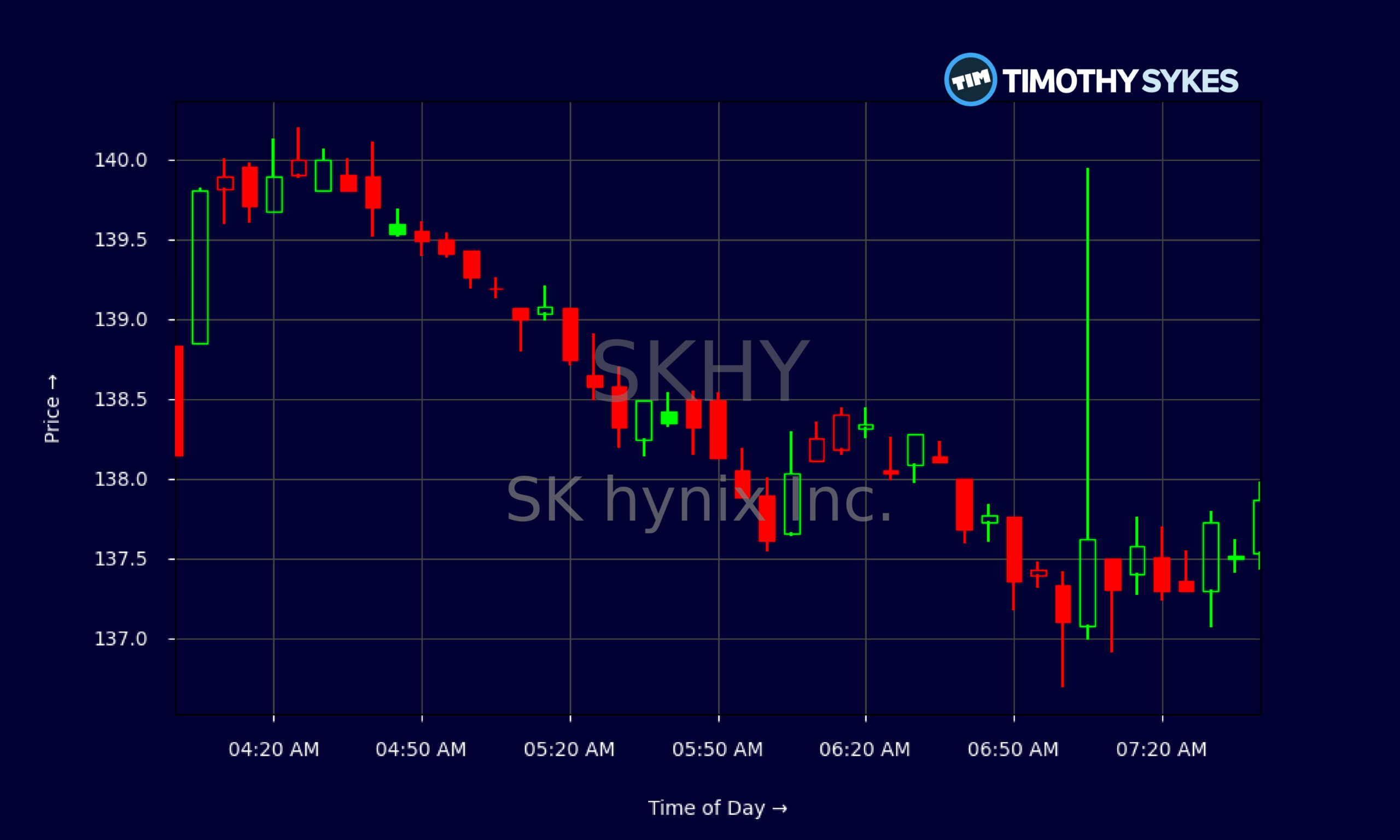
Live Update At 07:48:07 EDT: On Friday, October 23, 2026 SK hynix Inc. stock [NASDAQ: SKHY] is trending up by 4.72%! Discover the key drivers behind this movement as well as our expert analysis in the detailed breakdown below.
Quick Financial Overview
SKHY has been trading like a rollercoaster. In late September, SKHY closed near $195, then slid steadily, with recent closes around $131–147. That’s a big reset in less than a month, and it tells traders momentum flipped from strong trend to aggressive profit-taking.
The daily chart shows a series of lower highs from early October, as SKHY dropped from the $190s into the $160s, then broke down again into the $140s and now low $130s. That breakdown through prior support around $160–170 turned SKHY into a short-term downtrend, giving active traders clear resistance levels to watch for potential bounces or failed rallies.
Intraday, SKHY’s 5‑minute tape around the $138 zone shows tight trading ranges, small candles, and a lack of heavy push either way. That often signals a stock catching its breath after a big move.
More Breaking News
Fundamentally, SK Hynix’s valuation metrics are aggressive. A price-to-sales ratio over 17 and price-to-book above 13 show traders paying up for AI-driven memory upside. A very low reported P/E and high return-on-capital figure suggest earnings power has snapped back hard, but the market is still treating SKHY as a high‑beta growth name, not a sleepy value play.
Why Traders Are Watching SKHY Now
SKHY is sitting at the center of three powerful storylines: AI demand, Chinese competition, and U.S.–China chip politics. That mix is why the stock has been whipping around on every headline.
On the bullish side, SK Hynix and Samsung are upgrading their China factories to produce more advanced memory and NAND chips. The goal is clear: ride surging AI-related demand and push back against China’s Yangtze Memory Technologies. Traders rewarded that stance, with SK Hynix shares up over 3% premarket on reports of the China plant upgrades. When the market sees SKHY leaning into AI capacity and higher-value products, it tends to bid the stock up, even with geopolitical noise in the background.
But the same China exposure also stings. SKHY is seeking U.S. approval to export chipmaking equipment into China while also planning a U.S. fab. News that those approvals are in limbo helped slam SK Hynix more than 7% premarket at one point. For active traders, that makes any U.S. export-control update a near-daily catalyst for SKHY.
Then there’s CXMT. The Chinese rival’s DRAM “breakthrough” headlines, including a new 4F2 data center chip and next‑gen DDR5 RDIMM plans, triggered drops of 4% or more in SK Hynix as traders rushed for the exits. Yet Rosenblatt later argued that the selloff in memory names like SKHY and Micron was overdone, stressing that CXMT’s real competitive impact is further out and DRAM demand is structurally improving. That analyst stance gives swing traders a reason to look for oversold bounces when fear around CXMT peaks.
Finally, the Dell-linked stake purchase in SK Group adds another twist. SK Group’s chairman is selling a 1.34% stake to help fund a divorce settlement, which hit SKHY shares by more than 4% despite no operational change at SK Hynix. For short-term traders, that’s a reminder that governance headlines can move SKHY just as fast as tech news.
Conclusion
For SKHY, the tape is telling a story of strong long-term demand colliding with near-term fear. The company is spending to upgrade China fabs, chasing AI memory growth, and defending share against Chinese rivals like CXMT and YMTC. At the same time, SK Hynix faces a 10% jump in ASML spare-part costs from 2027 on its EUV/DUV tools, which will nibble at future margins. Add U.S. export approvals and a high-profile SK Group stake sale, and you get the volatility we’re seeing in SKHY trading.
Rosenblatt’s view that the CXMT-driven selloff is overdone gives a useful framework: the market is likely overpricing near-term competitive risk while underpricing multi-year DRAM demand. For disciplined SKHY traders, that means treating panicky gap‑downs on CXMT or export headlines as potential trading setups, not automatic “game over” signals, while still respecting the downtrend on the chart. In this kind of tape, adapting your trading plan to shifting headlines and price action is crucial. As millionaire penny stock trader and teacher Tim Sykes, says, “You must adapt to the market; the market will not adapt to you.”.
As Tim Sykes likes to say, “Volatility is only your friend if you come prepared and cut losses quickly.” SKHY fits that playbook perfectly right now. The story is big, the swings are violent, and for those who study the news, map key levels, and stay nimble, SK Hynix may remain one of the more educational case studies in AI‑driven semiconductor trading.
This is stock news, not investment advice. Timothy Sykes News delivers real-time stock market news focused on key catalysts driving short-term price movements. Our content is tailored for active traders and investors seeking to capitalize on rapid price fluctuations, particularly in volatile sectors like penny stocks. Readers come to us for detailed coverage on earnings reports, mergers, FDA approvals, new contracts, and unusual trading volumes that can trigger significant short-term price action. Some users utilize our news to explain sudden stock movements, while others rely on it for diligent research into potential investment opportunities.
Dive deeper into the world of trading with Timothy Sykes, renowned for his expertise in penny stocks. Explore his top picks and discover the strategies that have propelled him to success with these articles:
- Penny Stocks Trading Guide
- Best Penny Stocks Under $1 to Buy Today
- Top 8 Penny Stocks to Watch on Robinhood
Once you’ve got some stocks on watch, elevate your trading game with StocksToTrade the ultimate platform for traders. With specialized tools for swing and day trading, StocksToTrade will guide you through the market’s twists and turns.
Dig into StocksToTrade’s watchlists here:





Leave a reply