

NuScale Power Corporation stocks have been trading down by -7.52 percent after reports highlighting escalating financing and regulatory uncertainties.
Key Takeaways
- Pomerantz LLP has opened an investigation and potential class action into NuScale Power after a sharp share-price drop triggered by a UBS downgrade from Neutral to Sell and a target cut from $10 to $6.
- UBS flagged erosion of NuScale’s first-mover SMR advantage, thin customer commitments, long build timelines, and an expected roughly $700M negative free cash flow through 2028.
- Barclays slashed NuScale’s rating to Underweight and cut its price target to $5 from $11, citing commercial delays, contract uncertainty, and elevated execution risk into 2027.
- Citi lowered its NuScale target from $6.50 to $4 and kept a Sell rating amid a broader reset in alternative energy expectations ahead of Q3 earnings.
- SMR shares have plunged around these calls, including an about 16% slide on the UBS downgrade and another drop of more than 7% after the Barclays note.
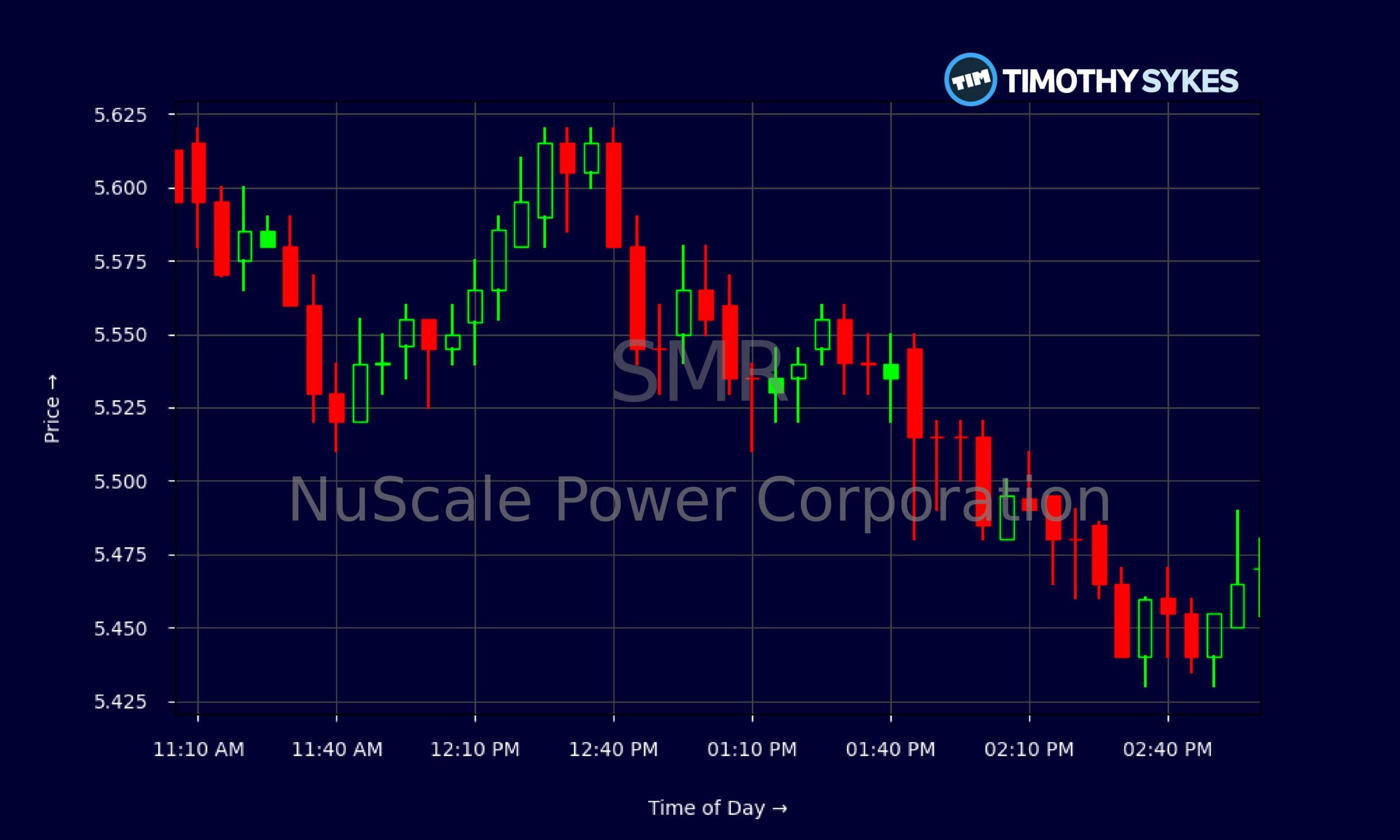
Live Update At 15:03:31 EDT: On Friday, October 30, 2026 NuScale Power Corporation stock [NYSE: SMR] is trending down by -7.52%! Discover the key drivers behind this movement as well as our expert analysis in the detailed breakdown below.
Quick Financial Overview
For traders watching SMR, the chart tells a simple story: steady bleed. In early October, NuScale Power traded near $8. By the latest close around $5.47, SMR has given up roughly a third of its value in a few weeks. That is not quiet selling — that is repricing.
Daily candles show a step‑down pattern: failed bounces near $7, then $6, now struggling to hold the mid‑$5s. Each downgrade has been followed by heavy selling pressure. Intraday, SMR now trades in a tight range, roughly $5.45–$5.60, suggesting short‑term equilibrium but no aggressive dip‑buying.
More Breaking News
Fundamentals explain why the market is this harsh. NuScale Power generated only about $31.5M in revenue while carrying an enterprise value near $2.49B, a sky‑high price‑to‑sales ratio around 289. Profitability metrics are deeply negative, with large operating losses and heavy cash burn. Yet SMR’s balance sheet is cash‑rich, showing more than $1.07B in cash and short‑term investments and an extremely strong current ratio above 37. For traders, that combination — long runway but big ongoing losses — sets up a classic speculative story stock that can trend hard in both directions.
Why Traders Are Watching SMR Now
SMR is on every momentum trader’s watchlist right now not because the story is pretty, but because it is messy. NuScale Power is taking hits from all sides: analysts, class‑action lawyers, and a market that is suddenly allergic to long‑dated clean‑energy promises.
The immediate trigger was UBS cutting NuScale from Neutral to Sell, chopping its target from $10 to $6. UBS argued that NuScale Power has lost part of its first‑mover edge in small modular reactors, lacks firm customer commitments, faces multi‑year build timelines, and is staring at roughly $700M in negative free cash flow through 2028. SMR dropped about 16% on that call alone — that is textbook fragile sentiment.
Pomerantz LLP then opened an investigation and potential class action into NuScale Power for possible securities fraud and other issues, piggybacking on that sharp selloff. For SMR traders, this adds headline risk. Any new filing, update, or court document can spark fast moves, especially in premarket or after‑hours trading.
The pain didn’t stop there. Barclays shifted NuScale Power to Underweight from Equal Weight and slashed its target to $5 from $11, citing commercial delays, contract uncertainty, and rising execution risk, including possible TVA/ENTRA1 negotiations sliding into 2027. SMR fell more than 7% after that downgrade, reinforcing that every negative note is being sold aggressively.
Then Citi piled on, cutting its NuScale price target from $6.50 to $4 and reiterating a Sell rating in a sector‑wide reset for alternative energy equipment ahead of Q3 earnings. Put together, SMR now sits under a cloud of skepticism from multiple big banks plus ongoing legal scrutiny. That mix often creates both sharp downside breaks and violent short squeezes — exactly the kind of tape active traders study.
Conclusion
NuScale Power is no quiet nuclear startup right now; SMR is a battleground ticker. The company still has a sizable cash pile and no heavy debt, which gives NuScale time. But the Street is openly questioning whether that time leads to profitable SMR deployments or just more burn. UBS, Barclays, and Citi have all moved to the cautious side, with targets down at $6, $5, and $4, well below where many traders bought into the “first‑mover” story.
For active traders, the lesson is not about predicting whether NuScale Power wins the long‑term SMR race. It is about reading the price action and respecting the risk. SMR’s recent selloffs after each downgrade show a market that reacts instantly to bad news and is no longer giving the benefit of the doubt. That is a red flag for anyone who overstays a bounce.
As Tim Sykes likes to say, “Trade the ticker, not the story.” As millionaire penny stock trader and teacher Tim Sykes, says, “There is always another play around the corner; don’t chase just because you feel FOMO.”. With NuScale Power, the story is complex — legal probes, negative free cash flow, execution delays. The ticker, SMR, is clearer: downtrend, high volatility, and heavy sensitivity to headlines. For educational and research purposes, the playbook here is simple — study the chart, know the catalysts, and, above all, cut losses fast.
This is stock news, not investment advice. Timothy Sykes News delivers real-time stock market news focused on key catalysts driving short-term price movements. Our content is tailored for active traders and investors seeking to capitalize on rapid price fluctuations, particularly in volatile sectors like penny stocks. Readers come to us for detailed coverage on earnings reports, mergers, FDA approvals, new contracts, and unusual trading volumes that can trigger significant short-term price action. Some users utilize our news to explain sudden stock movements, while others rely on it for diligent research into potential investment opportunities.
Dive deeper into the world of trading with Timothy Sykes, renowned for his expertise in penny stocks. Explore his top picks and discover the strategies that have propelled him to success with these articles:
- Penny Stocks Trading Guide
- Best Penny Stocks Under $1 to Buy Today
- Top 8 Penny Stocks to Watch on Robinhood
Once you’ve got some stocks on watch, elevate your trading game with StocksToTrade the ultimate platform for traders. With specialized tools for swing and day trading, StocksToTrade will guide you through the market’s twists and turns.
Dig into StocksToTrade’s watchlists here:





Leave a reply