

NRX Pharmaceuticals Inc. stocks have been trading up by 10.53 percent following highly positive coverage of its clinical progress.
Key Takeaways
- FDA review of NRx Pharmaceuticals’ preservative-free ketamine shows only minor labeling issues ahead of the 2026/11/10 ANDA goal date, lowering perceived regulatory risk around NRXP.
- Manufacturing validation and two-year room‑temperature stability data position NRXP to supply a ketamine shortage market quickly if approval lands.
- A ~$11.2M DARPA prime contract backs the SPARC‑TMS trial using NRX‑101, adding a funded, late‑stage depression catalyst alongside ketamine.
- Management is pre‑ordering 5 million preservative‑free ketamine doses, signaling confidence in demand and potential fast commercialization.
- A corrected New York Times story eases some toxicity‑data controversy as NRXP pushes a “safer, preservative‑free” ketamine narrative.
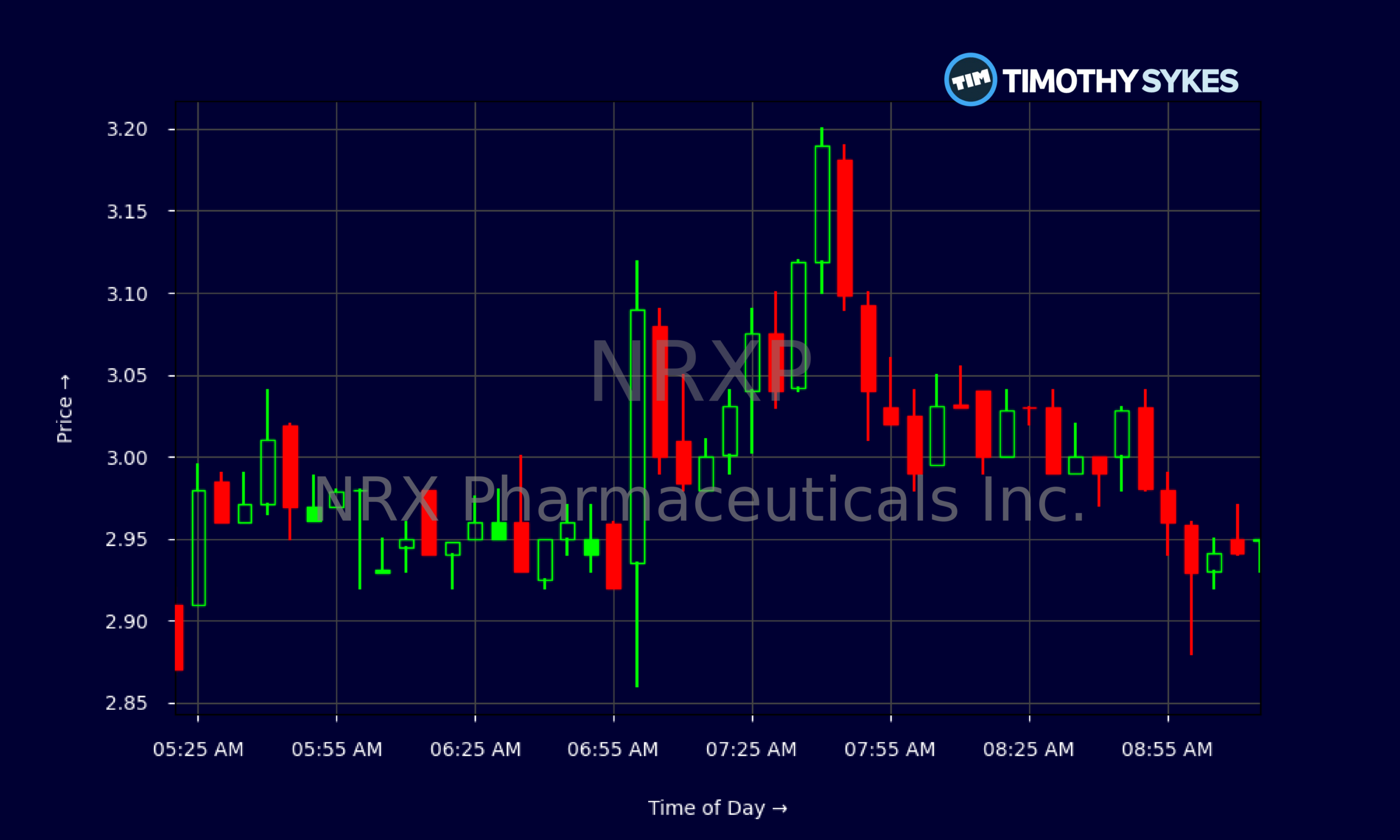
Live Update At 09:19:40 EDT: On Friday, October 30, 2026 NRX Pharmaceuticals Inc. stock [NASDAQ: NRXP] is trending up by 10.53%! Discover the key drivers behind this movement as well as our expert analysis in the detailed breakdown below.
Quick Financial Overview
NRXP is trading like a low‑float biotech coiled around catalysts. Over the past few weeks, NRx Pharmaceuticals has drifted from the high $2s to the mid‑$2s, with recent daily closes clustering between $2.49 and $2.71. That tight range tells traders the stock is consolidating, not collapsing, while it waits for clearer FDA and DARPA headlines.
Intraday, NRXP still shows decent volatility. Pre‑market and early‑session prints around $3.00–$3.10 faded back under $3.00, but dips toward $2.85–$2.90 kept getting bought. In simple terms, sellers push it down, but buyers show up fast. That’s classic catalyst‑trading behavior.
More Breaking News
Fundamentally, NRx Pharmaceuticals is still a development‑stage story. Revenue is just about $1.1M for the quarter, while net loss is roughly $16.5M. Margins are deeply negative, and NRXP carries a high price‑to‑sales ratio around 36. This is not a value play; it’s a high‑risk, high‑reward pipeline bet. The cash balance near $26.7M and fresh, non‑dilutive DARPA funding help, but the clock is always ticking. Traders should treat NRXP as a catalyst chart, not a steady cash‑flow machine.
Why Traders Are Watching NRXP Catalysts
NRXP is on a collision course with multiple 2026/11/10‑focused catalysts, and that’s exactly what active traders look for. The big one is NRx Pharmaceuticals’ preservative‑free ketamine, often referenced as Ketafree or NRX‑100. The FDA Discipline Review Letter says only minor labeling tweaks are needed ahead of the ANDA GDUFA goal date. That kind of letter usually signals the scientific and manufacturing review has gone relatively smoothly. For a small‑cap like NRXP, that sharply narrows the near‑term downside from regulatory surprise.
On the operations side, NRx Pharmaceuticals has already completed three FDA‑required process‑validation lots under commercial conditions and shown two‑year room‑temperature stability. Translation: if the green light comes, NRXP does not need years to scale up. It can immediately target current ketamine shortages with an FDA‑grade product.
The company is leaning into that opportunity. Management is pre‑ordering 5 million doses of its preservative‑free ketamine and framing rival benzethonium‑chloride‑containing products as legacy and potentially less safe. That’s an aggressive narrative move. It adds controversy, especially after the public dispute with the New York Times over toxicity data. But NRx Pharmaceuticals now points to corrections and partial retractions from the paper, which supports the company’s version of events and may calm some headline risk around NRXP.
At the same time, NRXP is not just a generic ketamine story. Through NRx Defense Systems, it landed roughly $11.2M from DARPA to run the SPARC‑TMS trial, combining advanced TMS with NRX‑101 for treatment‑resistant depression. That is non‑dilutive capital aimed straight at a late‑stage, high‑upside program. Add in a separate ~$11.25M DARPA‑backed Phase 3 plan and you get a second pillar of potential value beyond the generic ketamine launch.
For short‑term traders, the setup is clear: NRXP is packed with binary‑style catalysts, plus a tight daily range showing accumulation. But as always in this niche, any FDA delay, trial issue, or narrative shift can flip the script fast.
Conclusion
NRXP sits at an important spot on the chart and in its story. Price has pulled back from the low‑$3s but is still holding a base around the mid‑$2s, even as NRx Pharmaceuticals lines up what may be its most important few quarters in years. The preservative‑free ketamine ANDA review looks de‑risked by the FDA’s focus on labeling, not safety or chemistry, while completed validation batches and two‑year stability make NRXP look commercially ready, not just “science‑project ready.”
On top of that, the DARPA contracts give NRx Pharmaceuticals rare non‑dilutive funding for a potentially registration‑grade NRX‑101 program. For traders, that means NRXP has more than one way to win if the science and execution hold up. At the same time, the public fight over benzethonium chloride and the earlier New York Times coverage show how quickly sentiment can swing in a controversial space like ketamine.
This is exactly the kind of setup Tim Sykes and Tim Bohen talk about when they hammer the basics: “Trade the catalyst, not the story; manage the risk, not your ego.” As millionaire penny stock trader and teacher Tim Sykes says, “Cut losses quickly, let profits ride, and don’t overtrade.” NRXP offers real catalysts and real volatility. For traders, the edge comes from doing the homework, stalking the chart, and being ready to cut losses fast if the narrative breaks.
This is stock news, not investment advice. Timothy Sykes News delivers real-time stock market news focused on key catalysts driving short-term price movements. Our content is tailored for active traders and investors seeking to capitalize on rapid price fluctuations, particularly in volatile sectors like penny stocks. Readers come to us for detailed coverage on earnings reports, mergers, FDA approvals, new contracts, and unusual trading volumes that can trigger significant short-term price action. Some users utilize our news to explain sudden stock movements, while others rely on it for diligent research into potential investment opportunities.
Dive deeper into the world of trading with Timothy Sykes, renowned for his expertise in penny stocks. Explore his top picks and discover the strategies that have propelled him to success with these articles:
- Penny Stocks Trading Guide
- Best Penny Stocks Under $1 to Buy Today
- Top 8 Penny Stocks to Watch on Robinhood
Once you’ve got some stocks on watch, elevate your trading game with StocksToTrade the ultimate platform for traders. With specialized tools for swing and day trading, StocksToTrade will guide you through the market’s twists and turns.
Dig into StocksToTrade’s watchlists here:




Leave a reply