

Alcoa Corporation stocks have been trading up by 5.84 percent following upbeat aluminum demand projections and improved earnings outlook.
Key Takeaways Traders Need To Know
- Alcoa swung from a small adjusted loss to strong adjusted earnings of $1.82 per share in Q3 2026, beating expectations as revenue jumped 23% year over year to $3.70B.
- Net income climbed to $483M with $472M in free cash flow, as margins and alumina pricing improved despite softer aluminum prices and lower shipments.
- Management reaffirmed 2026 production and shipment guidance and flagged roughly $60M in Q4 Aluminum EBITDA headwinds from higher costs and maintenance.
- The company secured $2.6B financing for the AliGroup deal, restarted the Alumar smelter, and lined up Massena East sales that could generate up to $315M over time.
- Shares rose about 1.4% after hours on the upbeat Q3 release, while Barclays launched AA at Overweight with a $55 target and JPMorgan nudged its target down to $50, Neutral.
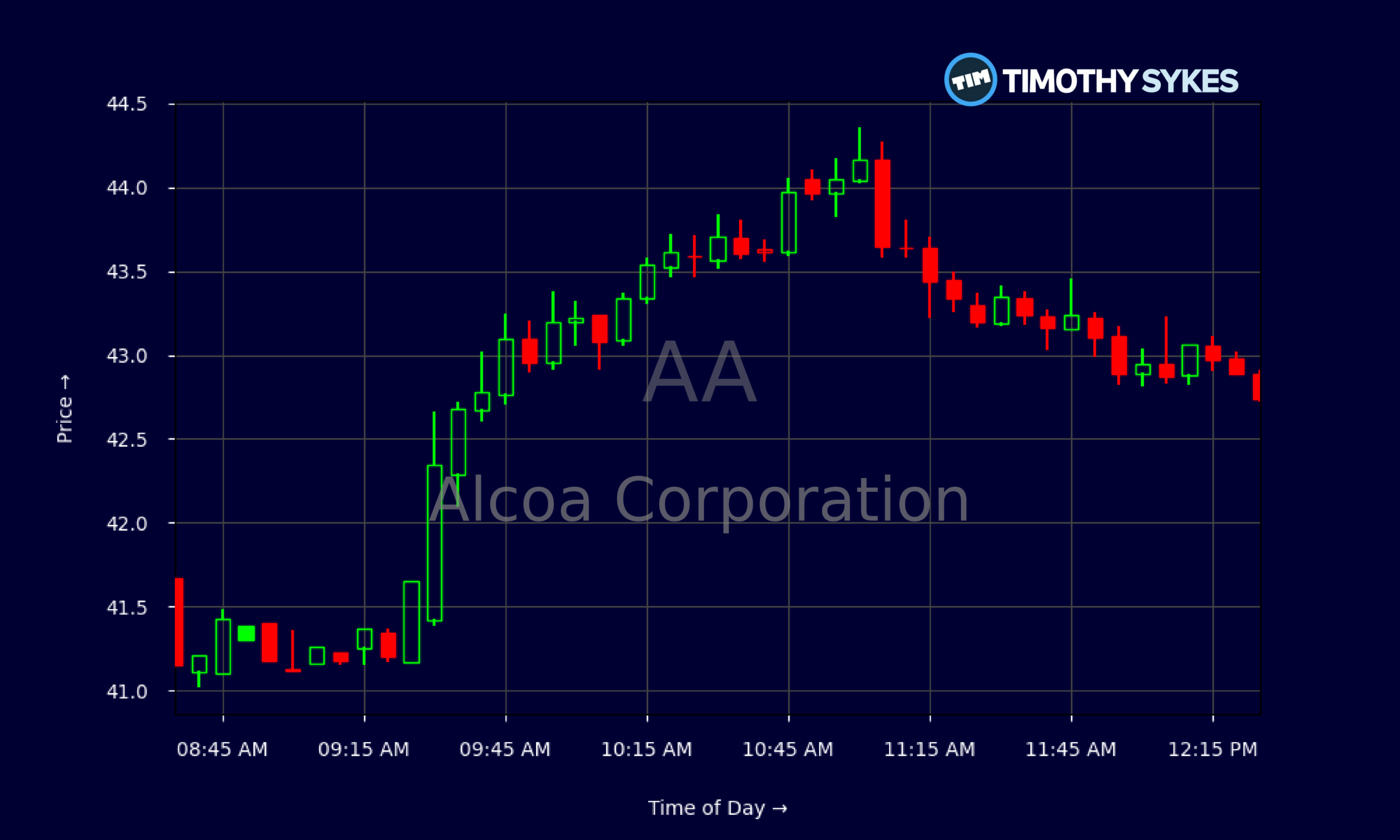
Live Update At 12:32:28 EDT: On Friday, October 16, 2026 Alcoa Corporation stock [NYSE: AA] is trending up by 5.84%! Discover the key drivers behind this movement as well as our expert analysis in the detailed breakdown below.
Quick Financial Overview
AA just delivered the type of quarter active traders watch for. On the tape, Alcoa stock is trading around the low‑$40s, recently closing near $42.78 after an intraday push up to about $44.35. That’s a solid bounce from yesterday’s $40.42 close and keeps AA in a choppy, sideways band that has held roughly $41–$45 over the past few weeks.
Under the hood, AA’s fundamentals back up the price action. Revenue over the last year sits around $12.83B, with an EBIT margin near 9.8% and EBITDA margin about 14.7%. Those are healthy numbers for a cyclical metals name. A forward P/E in the high single digits and price‑to‑sales around 0.82 suggest traders are not paying growth‑stock multiples for AA’s cash flow.
More Breaking News
Financial strength looks solid: total debt‑to‑equity of 0.18, current ratio at 1.5, and interest coverage around 16.6. That balance sheet gives Alcoa room to ride out aluminum price swings. Return on equity above 14% on a last‑twelve‑month basis shows management is squeezing good performance out of its asset base. For short‑term traders, the combo of an earnings beat, strong cash flow, and a technically supported range can create an attractive volatility setup.
Why Traders Are Watching AA Right Now
AA is suddenly back on a lot of trading screens after its latest report. In Q3 2026, Alcoa swung from a small adjusted loss to adjusted EPS of $1.82, easily topping analyst estimates. Revenue jumped 23% year over year to $3.70B, even if it landed a bit shy of consensus. For a cyclical like Alcoa Corporation, that mix matters: the market tends to reward margin and earnings strength more than a slight sales miss.
Net income hit $483M, or $1.81 per share, while free cash flow reached $472M. That kind of cash generation is what lets AA fund growth and still support returns to shareholders. Traders paying attention to the cash‑flow statement will notice Q2 free cash flow of about $422M was already strong; Q3 built on that trend.
Guidance is another key piece. AA reaffirmed its 2026 production and shipment outlook for both the Alumina and Aluminum segments and pointed to solid operations into Q4 2026. The catch is about $60M of sequential Aluminum EBITDA headwinds from higher raw material and alumina costs plus scheduled maintenance. That tells traders to expect some margin chop even as volumes stay firm.
Strategically, Alcoa secured $2.6B in financing for the planned AliGroup acquisition from South32, restarted the Alumar smelter, and signed sale deals for the Massena East site that may bring in up to $315M over several years. AA is clearly positioning for scale while pruning non‑core assets. On the Street, Barclays initiated with an Overweight and a $55 target, arguing a lot of demand worries are already baked into AA. JPMorgan trimmed its target from $52 to $50 but stayed Neutral. That split view helps fuel trading as sentiment swings between “cycle turning up” and “macro still tough.”
Conclusion
For active traders, AA now has the three ingredients that matter: a clear catalyst, strong numbers, and a liquid chart. The Q3 beat on adjusted EPS to $1.82, coupled with 23% revenue growth and nearly half a billion dollars in net income, gives Alcoa Corporation real fundamental momentum. Free cash flow of $472M, a firm balance sheet, and continued dividend payments of $0.10 per share show management believes this strength is durable, even as it layers on debt to fund the AliGroup acquisition.
At the same time, AA is honest about the near term. Reaffirmed 2026 guidance and Q4 volume confidence are positives, but the flagged $60M EBITDA headwind in Aluminum reminds traders this is still a cyclical, cost‑sensitive story. The tug‑of‑war between Barclays’ $55 Overweight call and JPMorgan’s more cautious $50 Neutral target frames the debate around the stock.
For short‑term players, the recent 1.4% after‑hours pop, intraday swings between roughly $41 and $44, and strong underlying cash flow create the kind of volatility that can reward disciplined setups. As millionaire penny stock trader and teacher Tim Sykes, says, “Small gains add up over time; focus on building wealth gradually, not chasing jackpots.” In the words of Tim Sykes, “The market rewards prepared traders, not hopeful gamblers.” AA is giving the prepared crowd plenty to study right now—earnings momentum, strategic moves, and a chart that is finally waking up. This analysis is for educational and research purposes only and is not investment advice.
This is stock news, not investment advice. Timothy Sykes News delivers real-time stock market news focused on key catalysts driving short-term price movements. Our content is tailored for active traders and investors seeking to capitalize on rapid price fluctuations, particularly in volatile sectors like penny stocks. Readers come to us for detailed coverage on earnings reports, mergers, FDA approvals, new contracts, and unusual trading volumes that can trigger significant short-term price action. Some users utilize our news to explain sudden stock movements, while others rely on it for diligent research into potential investment opportunities.
Dive deeper into the world of trading with Timothy Sykes, renowned for his expertise in penny stocks. Explore his top picks and discover the strategies that have propelled him to success with these articles:
- Penny Stocks Trading Guide
- Best Penny Stocks Under $1 to Buy Today
- Top 8 Penny Stocks to Watch on Robinhood
Once you’ve got some stocks on watch, elevate your trading game with StocksToTrade the ultimate platform for traders. With specialized tools for swing and day trading, StocksToTrade will guide you through the market’s twists and turns.
Dig into StocksToTrade’s watchlists here:




Leave a reply