

UiPath Inc. stocks have been trading down by -3.71 percent amid bearish sentiment over automation demand and competitive pressures.
Key Takeaways
- RBC Capital cut UiPath’s PATH price target from $14 to $12, flagging execution risk, pricing issues, and weak job posting trends ahead of Q1.
- The firm kept a Sector Perform rating on PATH, signaling caution but not a full bearish call.
- Wall Street’s consensus on UiPath stays at hold, with an average target of $13.67, pointing to tempered upside expectations.
- Traders now want proof that PATH’s AI story translates into steady revenue growth and pricing power.

Live Update At 14:33:20 EDT: On Wednesday, June 03, 2026 UiPath Inc. stock [NYSE: PATH] is trending down by -3.71%! Discover the key drivers behind this movement as well as our expert analysis in the detailed breakdown below.
Quick Financial Overview
UiPath, trading under ticker PATH, is showing a classic tug-of-war between solid fundamentals and cautious sentiment. On the numbers, PATH is not a broken company. Revenue over the last year sits around $1.61B, with revenue growth in the mid-teens over three years and above 20% over five years. That confirms UiPath is still a real player in automation and AI software, not just a story stock.
Margins tell the key story. PATH posts an 83.2% gross margin, which is elite software territory. That gives UiPath room to spend on sales and research while still pushing toward profits. Recent quarterly results show $481.1M in revenue and $104.5M in net income, with diluted EPS at $0.19. For a name once known for heavy losses, that shift to profitability matters.
On the balance sheet, PATH carries very low debt, with total debt-to-equity near 0.03 and a current ratio around 2.5. Cash and short-term investments of roughly $1.47B give UiPath plenty of liquidity to ride out choppy demand. Valuation is not cheap but no longer nosebleed, with a P/E near 25 and price-to-sales around 4.2, more in line with a mature SaaS name than a hyper-growth moonshot.
More Breaking News
Technically, PATH has staged a strong bounce in recent days, ripping from sub-$10 levels in mid-May to above $13 before cooling back near $11.70. That is a big percentage move in a short window, which is exactly the kind of volatility active traders watch closely.
Why Traders Are Watching PATH After The RBC Cut
RBC’s decision to cut its UiPath price target from $14 to $12 puts PATH squarely back under the microscope. The firm did not downgrade PATH’s rating — it stayed at Sector Perform — but the message is clear: the easy AI hype phase is over. Now, UiPath has to deliver several quarters of clean execution to earn higher targets.
RBC called out three pressure points that matter for trading. First, execution. PATH has to show it can close deals, renew big customers, and manage growth without ugly surprises. Second, non-seed pricing progress — in simple terms, UiPath needs to prove it can charge more per customer seat as usage expands rather than just stuffing the pipeline with cheap entry deals. Third, the AI angle: the Street wants clearer evidence that PATH’s AI features are driving actual, measurable revenue lift, not just marketing slides.
The firm also flagged negative job posting trends ahead of Q1. For an automation platform like PATH, fewer job openings at customers and prospects can hint at slower IT and software spending. That is the kind of macro drag that can cap upside even when a company executes well.
Yet, RBC’s stance lines up with the broader Street: consensus on PATH is still a hold, with a mean target of $13.67. That pins current trading in a “prove-it” zone. The stock’s recent run from about $9.50 to above $13 shows there is appetite when headlines cooperate, but this downgrade suggests many desks now see the near term as more range-bound than runaway.
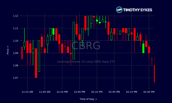
On the chart, PATH’s recent surge followed by intraday churn around $11.70–$12.00 tells you momentum traders are active, but conviction is thin. The 5‑minute candles show tight, grinding action instead of a clean trend — classic for a stock digesting fresh analyst cuts. For short-term traders, UiPath becomes a name to stalk for range trades and breakout/breakdown setups around key levels like $10 on the downside and the $13–$14 band on the upside.
Conclusion
For active traders, PATH is shifting from story phase to scoreboard phase. UiPath now carries a lower $12 target from RBC and a hold consensus, which sends a simple signal: expectations are cooled, but the crowd has not walked away. That often creates a battleground stock, where every earnings print and guidance tweak can trigger sharp moves.
Fundamentally, UiPath has tools to fight back. PATH boasts sky‑high gross margins, meaningful free cash flow, and a cash pile that gives management time to refine pricing, sharpen execution, and show the real revenue payoff from its AI features. Low leverage reduces blow‑up risk, which matters when sentiment turns cautious.
From a trading standpoint, the recent rally from single digits into the low teens, followed by this target cut, sets up a clean “show me” environment. PATH will need consistent quarters of growth and stable margins to pull price targets higher again. Until then, many on the Street will likely treat UiPath as a tactical trading vehicle, not a high‑conviction trend.
This aligns with a core principle Tim Sykes and Tim Bohen hammer home: “The market doesn’t care about your opinion, only the price action and the catalyst.” As millionaire penny stock trader and teacher Tim Sykes, says, “You must adapt to the market; the market will not adapt to you.”. For PATH, the catalyst right now is the RBC downgrade and lingering questions around execution and demand. Traders who respect that backdrop, keep risk tight, and let the chart confirm their bias will be better positioned as UiPath works through this next phase.
This is stock news, not investment advice. Timothy Sykes News delivers real-time stock market news focused on key catalysts driving short-term price movements. Our content is tailored for active traders and investors seeking to capitalize on rapid price fluctuations, particularly in volatile sectors like penny stocks. Readers come to us for detailed coverage on earnings reports, mergers, FDA approvals, new contracts, and unusual trading volumes that can trigger significant short-term price action. Some users utilize our news to explain sudden stock movements, while others rely on it for diligent research into potential investment opportunities.
Dive deeper into the world of trading with Timothy Sykes, renowned for his expertise in penny stocks. Explore his top picks and discover the strategies that have propelled him to success with these articles:
- Penny Stocks Trading Guide
- Best Penny Stocks Under $1 to Buy Today
- Top 8 Penny Stocks to Watch on Robinhood
Once you’ve got some stocks on watch, elevate your trading game with StocksToTrade the ultimate platform for traders. With specialized tools for swing and day trading, StocksToTrade will guide you through the market’s twists and turns.
Dig into StocksToTrade’s watchlists here:




Leave a reply