

Strategy Inc stocks have been trading up by 2.79 percent following investor optimism over its latest strategic partnership announcement.
Key Takeaways Traders Are Watching
- Citi lifted its MicroStrategy price target to $240 from $136, tying its call to a sharply higher 12‑month bitcoin forecast of $113,000.
- B. Riley raised its MSTR target to $195 from $175, flagging a crypto-driven catch‑up move and future tokenization and regulatory catalysts.
- The company added 950 bitcoin for $75.7M, then another 1,665 bitcoin for $142.7M, taking total holdings to 847,666 BTC bought for roughly $63.95B.
- Despite heavy spending on stock buybacks, bitcoin, and preferred payouts, MicroStrategy still reports about $5B in USD reserves and roughly $1B in cash.
- MSTR shares have recently jumped 5–8% on bitcoin strength and balance‑sheet moves, underlining the stock’s tight correlation to BTC price swings.

Live Update At 09:18:55 EDT: On Monday, October 05, 2026 Strategy Inc stock [NASDAQ: MSTR] is trending up by 2.79%! Discover the key drivers behind this movement as well as our expert analysis in the detailed breakdown below.
Quick Financial Overview
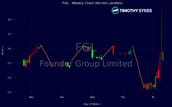
MicroStrategy, trading under the MSTR ticker, continues to act more like a leveraged bitcoin vehicle than a traditional software name. The stock’s daily chart shows a powerful ramp from about $128 on 2026/09/10 to around $160 by 2026/10/02, a gain of roughly 25% in three weeks. That move lines up with bitcoin’s push toward $85,000 and highlights how tightly MSTR trades against crypto momentum.
Intraday, the 5‑minute tape around $164 shows a tight range with steady bids, signaling active day trading and decent liquidity. For short‑term traders, that kind of orderly grind higher often supports dip‑buy setups with clearly defined risk against nearby lows.
On fundamentals, MSTR’s reported revenue is modest at about $477.2M, but the bitcoin strategy blows traditional ratios apart. Profitability metrics are deeply negative, with large reported losses linked to BTC‑driven accounting swings. Yet the balance sheet shows about $2.45B in cash and short‑term investments and a strong current ratio above 5, backed by a massive bitcoin stash.
More Breaking News
For traders, that means the real story is not earnings multiples. It’s balance‑sheet exposure to BTC and how aggressively management continues to deploy capital.
Why Traders Are Laser‑Focused On MSTR
MicroStrategy has doubled down on its role as a bitcoin treasury proxy, and the latest headlines reinforce that identity. MSTR disclosed buying 950 additional bitcoin for $75.7M at an average price of $79,670, lifting total holdings to 846,000 BTC. Soon after, the company went even further, acquiring another 1,665 bitcoin for $142.7M at an average of $85,681. That takes the stash to 847,666 BTC bought for roughly $63.95B.
For traders, that is pure leverage. When bitcoin ripped to $85,000, MSTR shares jumped 5% to $162.37. Another disclosure of BTC buying plus a $174M preferred stock repurchase sparked an almost 8% pop. The message from the tape is clear: when MicroStrategy adds bitcoin and tightens its capital structure, the market currently rewards it.
Wall Street is lining up behind the story. Citi raised its MSTR target to $240 from $136, explicitly tying the call to a 39% jump in its 12‑month base‑case bitcoin forecast to $113,000. B. Riley also bumped its target to $195 and kept a Buy stance, while Street data show a broader Buy consensus with an average target around $234.11.
At the same time, MicroStrategy reports a hefty USD Reserve of roughly $5B and about $1B in USD cash, even after deploying hundreds of millions into stock buybacks, bitcoin, and preferred payouts over a short window in September. That liquidity gives management room to keep pressing the BTC trade, but it also magnifies volatility. For active traders, MSTR remains a high‑beta, event‑driven play tied tightly to every major bitcoin headline.
Conclusion
MicroStrategy has evolved into a pure trading vehicle for bitcoin sentiment, and MSTR’s recent price action shows it. The stock has climbed from the low $130s to the $160 area in a matter of weeks as bitcoin rallied and the company announced fresh purchases, buybacks, and balance‑sheet moves. Analyst calls are catching up, with Citi and B. Riley both hiking targets and framing MSTR as a leveraged expression of a higher BTC path.
The underlying financials look messy on paper, with large reported losses and unconventional ratios. But MSTR’s appeal for traders is less about traditional earnings power and more about its huge bitcoin position, significant USD reserves, and management’s willingness to keep deploying capital into crypto. The filing of additional proxy materials shows an active corporate backdrop, though the real catalysts remain bitcoin price, treasury actions, and analyst revisions.
For short‑term traders, that sets up a clear framework: follow BTC, track MicroStrategy’s wallet moves, watch liquidity, and treat MSTR as a fast‑moving momentum vehicle rather than a sleepy software name. As Tim Sykes likes to say, “Patterns repeat because human nature doesn’t change — your job as a trader is to spot the pattern and manage the risk.” As millionaire penny stock trader and teacher Tim Sykes says, “There is always another play around the corner; don’t chase just because you feel FOMO.”. With MSTR, that pattern is bitcoin‑driven volatility, and disciplined risk management is the only way to stay in the game.
This is stock news, not investment advice. Timothy Sykes News delivers real-time stock market news focused on key catalysts driving short-term price movements. Our content is tailored for active traders and investors seeking to capitalize on rapid price fluctuations, particularly in volatile sectors like penny stocks. Readers come to us for detailed coverage on earnings reports, mergers, FDA approvals, new contracts, and unusual trading volumes that can trigger significant short-term price action. Some users utilize our news to explain sudden stock movements, while others rely on it for diligent research into potential investment opportunities.
Dive deeper into the world of trading with Timothy Sykes, renowned for his expertise in penny stocks. Explore his top picks and discover the strategies that have propelled him to success with these articles:
- Penny Stocks Trading Guide
- Best Penny Stocks Under $1 to Buy Today
- Top 8 Penny Stocks to Watch on Robinhood
Once you’ve got some stocks on watch, elevate your trading game with StocksToTrade the ultimate platform for traders. With specialized tools for swing and day trading, StocksToTrade will guide you through the market’s twists and turns.
Dig into StocksToTrade’s watchlists here:




Leave a reply