

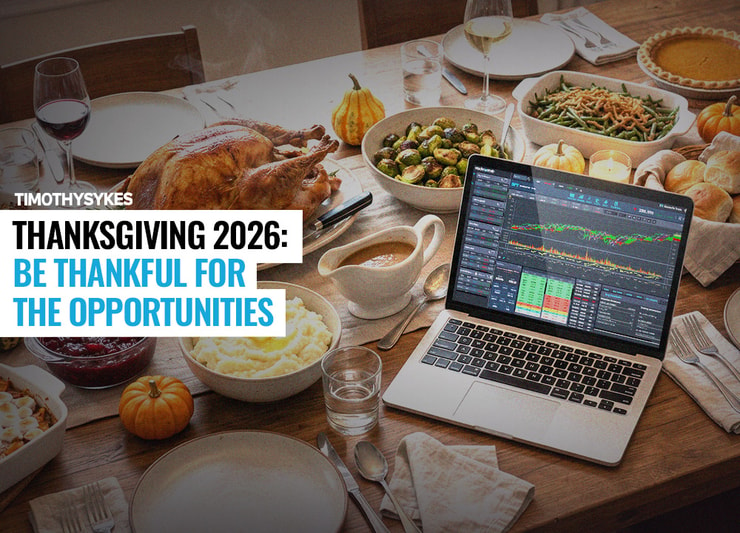


Happy Thanksgiving!
Today is for family, football, and food (obviously).
But it’s also a day to be thankful.
As we get into the holidays, remember that holiday trading is a little different (especially in this crazy market).
For example, in December there’s tax-loss selling and a potential Santa Claus bounce.
Not to mention the history of markets rising in the year after midterm elections.
All of those things create expectations. But having expectations about the market can get you in trouble.
So, instead of getting stuck on what the talking heads on financial TV say should happen…
Be thankful for all the opportunities the market is giving.
With that in mind, here are 3 things I’m thankful for this year…
Table of Contents
3 Reasons to Be Thankful Today
I’m thankful for my family (it goes without saying).
That said, here are my 3 reasons to be thankful in this crazy market…
Be Thankful for No More PDT
When the PDT rule came to an end after 25 years of shackling traders and reinforcing the wrong lessons, I was relieved.
The absence of the PDT rule has created one of the wildest markets we’ve seen in years. Supernovas are appearing every few minutes across premarket, regular hours, and after-hours, rewarding traders who come prepared.@timothysykes predicted this shift weeks ago. Watch the full… pic.twitter.com/CdfA7zeLf9
— StocksToTrade (@StocksToTrade) July 2, 2026
As I expected, things got pretty wild there for about a month with some INSANE short squeezes.
But I’m most thankful because it makes my job as a teacher easier. When the PDT rule was in effect, too many students would hold and hope.
They’d say…
“Oh, I don’t want to run out of trades.”
Sadly, that only taught them to be bagholders instead of doing the right thing.
So, I’m thankful that students can actually practice good risk management and follow rule #1: cut losses quickly.
I’m especially thankful that new students don’t have to deal with one of the most un-American rules ever enacted.
Be Thankful for Strategies That Work In Any Market
The big sell-off last week was no surprise. The AI bubble was bound to burst eventually, right?
Its glorioussssssss! #AI is awesome because it always manages to do everything faster LOL…just like how Jensen of $NVDA screwed over millions people all at once, AI is allll about scale and efficiency, let the #stockmarketcrash and #cryptocrash keep going, we need to root out… https://t.co/tGmXG3HrnM
— Timothy Sykes (@timothysykes) November 20, 2026
Here’s what one of my students posted on X about it…
“It makes me feel like I’m taking crazy pills, watching the market burn and nothing really changing for me using your method”
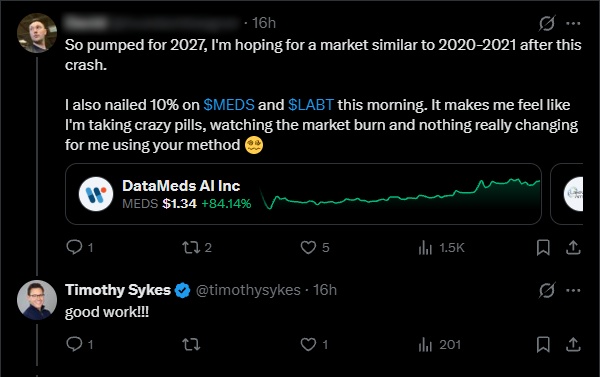
I LOVE it when a student gets it.
Remember, the market can do whatever it wants. If you’re willing to put in the time to learn, there will always be plays. There will always be Supernovas and stocks that follow my 7-step framework.
Yes, some patterns happen more in a down market, just as others happen in a bull market.
The point is, you do NOT have to invest and you do NOT have to HODL.
The patterns play out again and again (be thankful).
“But What About the Bounce?”
I know, Monday’s bounce was big. Frankly, I didn’t expect Jensen Huang to get reinstated as CEO at Nvidia (NASDAQ: NVDA).
And I don’t think anybody expected it to create so much irrational exuberance.
But one day doesn’t change the trend. Just look at what has happened since then. NVDA is down…

As I write, the Nasdaq 100 is right back to where it was midday last Friday (Nov. 20). So much for the Jensen bounce, right?
But it doesn’t matter, because if you focus on the process there are plays in any market.
Be Thankful for the Opportunity to Give Back
A lot of wealthy people are set in their ways (especially traders).
I was the same for a while, staying in luxury hotels, buying sports cars, living in a mansion… all materialistic stuff.
Believe me, it gets boring. It dawned on me one night as I was walking home from a nightclub in Miami.
I was thinking… “What am I doing with my life?”
That was kind of a turning point for me. After that I traveled a lot. Then, on a trip to Bali I got inspired to start building schools.
This was the first one I opened in 2016:
https://twitter.com/timothysykes/status/767899555568324609
Since then, through my charitable foundation Karmagawa, we’ve opened 134 schools worldwide.
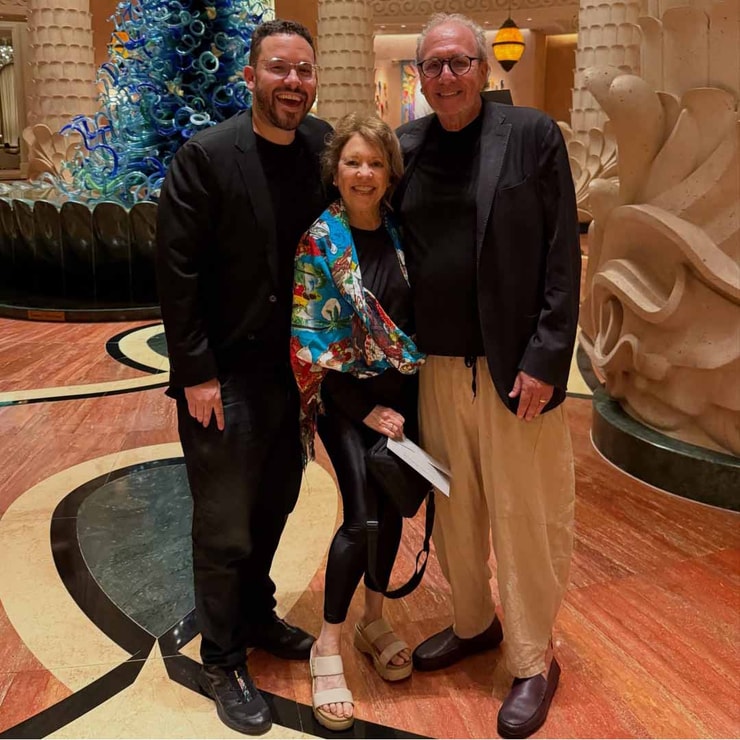
That’s why it was so cool to celebrate my mom’s birthday this year by taking my parents to Columbia to open a Karmagawa school.
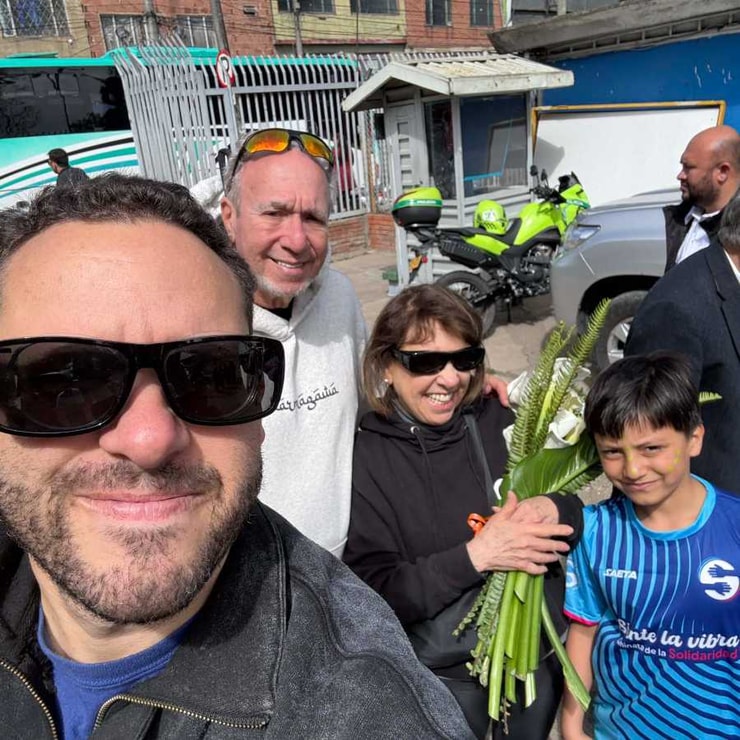
I’m SO thankful for the opportunity to change peoples’ lives through education.
A lot of Westerners take education for granted, right?
But even in the West financial education leaves something to be desired. That’s why I’m so dedicated to educating traders.
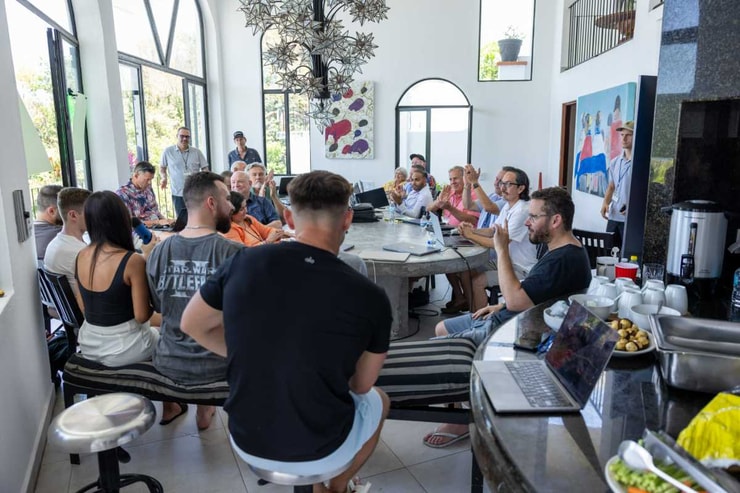
I’m also thankful for you.
Since tomorrow is Black Friday, my team and I put together a deal for you.
I’m offering you an exclusive ticket to our upcoming workshop to prepare for 2027…
…for 92% off the regular workshop price.
LIVE December 2–3: The Millionaire Traders Playbook
Join millionaire traders Jack Kellogg, Matt Monaco, and Bryce Tuohey, for a 2-day, virtual summit.
Here’s what they’re planning to share with you:
- What they’re tracking
- Their approach to trading this choppy market
- How they are getting ready for 2027
- PLUS: you’ll get the 2027 Playbook Report (so you can define your ideal setups and risk management strategy)
Oh, and I’ll be dropping in to give lessons, too.
Limited time Black Friday offer: Secure your ticket now
Now that you’ve claimed your ticket…
Happy Thanksgiving!
I wish you and your family the best this Thanksgiving.
I hope it is stress-free and relaxing.
Don’t forget to make your watchlist tonight, because even though the market closes early tomorrow, there will be opportunities.
See you tomorrow.
Cheers,
– Tim Sykes
Leave a reply