


Kristjan Kullamägi, known as Qullamaggie, is a swing trader who built big results with simple rules on momentum stocks. He studies price action, waits for clear patterns, and keeps losses small so his winners can matter. That approach helped him go from early setbacks to reported gains well over $100 million.
This article breaks down who he is, why his strategies work, and how a new day trader can apply these ideas with a small account. You will learn the three setups he is most known for, how they compare to strategies I teach, and how to build a clear plan around entries, exits, and risk. Qullamaggie’s life should give you inspiration — but to get a chance at this level of wealth you’ll need determination.
Let’s look at where he started his finance journey first. Qullamaggie said my early video lessons helped spark his start. I respect any trader who puts in the work, owns losses, and builds a rules-based process. That is the mindset I teach to students and the mindset that helps readers like you.
Hey Tim back in 2011 i pirated your DVDs from Thepiratebay and that inspired me to drop out of college, start trading the US markets with a Bahamas based broker and got into shorting.
I blew a few times the first 2 years and worked night shifts and took out loans to finance new…— Kristjan Kullamägi 🇺🇦 (@Qullamaggie) October 3, 2025
Table of Contents
- 1 Who Is Qullamaggie?
- 2 Is Qullamaggie Legit or a Scam?
- 3 What Trading Strategy Is Qullamaggie Famous For?
- 4 How Did Qullamaggie Get Started?
- 5 Which Stock Picks Are On Qullamaggie’s Watchlist?
- 6 What Is Qullamaggie’s Net Worth?
- 7 FAQs About Qullamaggie
Who Is Qullamaggie?
Kristjan is a disciplined swing trader who focuses on stocks with strong trends and clear patterns. He prefers daily charts, clean consolidations, and simple management rules over complicated indicators. He is patient, which is why he avoids forcing trades and instead waits for price to confirm his idea.
I have taught trading for over two decades. My approach is risk first, education always, and clear rules on position size and exits. That foundation helps beginners learn faster and avoid the painful, preventable losses that take people out of the game.
Is Qullamaggie Legit or a Scam?
Qullamaggie publicly lays out position sizing, risk per trade, entry rules, and exit plans. He talks about early failures and why he switched from day trading to swing trading for better scalability.
Scammers make promises and hide losses. Real traders show the work and let results follow.
His favorite strategies show up across history and across stock markets, including Nasdaq leaders and different types of security. That backtesting matters because it lets you build a rule-based plan. I have taught thousands of students that your edge lives in preparation, defined risk, and honest review of your trades.
What Trading Strategy Is Qullamaggie Famous For?
Qullamaggie is best known for three strategies:
- Momentum breakouts: a stock consolidates and then pushes to new highs on strong volume.
- Episodic pivot: a big earnings or news gap starts a fresh trend.
- Parabolic setup: a move goes too far, too fast, which sets up a short or a long after a sharp collapse. You know, kind of like step #3 in my pennystocking framework…
MEMORIZE THIS CHART…ITS A BIG PART OF WHY MY 7-STEP https://t.co/46W8tDBAGj FRAMEWORK WORKS SO WELL! https://t.co/FgAdUFBLAF
— Timothy Sykes (@timothysykes) February 28, 2024
I teach similar principles. Cut losses quickly, sell into strength, and trail with clear rules.
Two of my top students also have similar strategies. Jack Kellogg has made over $22 million mostly by trading the same momentum breakouts Qullamaggie does.
Another one of my most successful students, Tim Grittani, made over $13.5 million by short selling overextended moves, which is another one of Qullamaggie’s top strategies.
These strategies are simple to understand, but they reward patience, planning, and consistent review. Let’s break Qullamaggie’s favorite strategies down!
Qullamaggie Top Strategy #1: Breakouts

Qullamaggie’s breakout strategy focuses on stocks that already moved up, then paused in a tight range before moving higher again. He scans for recent top gainers over one to three months, then watches for calm trading where the daily candles shrink and price settles near rising averages. When the stock clears the top of that range on strong trading volume, he enters with a planned stop near the low of the day.
I teach beginners to sell a portion of their shares into early strength to lock in money, then raise the stop to protect the rest. This way you stay in the trade without risking a round-trip.


What To Look For
Look for a big move in the past few months, followed by a calm, tight range that lasts a couple of weeks or longer. You want good volume and clean charts that are not full of messy gaps.
How To Enter
Buy only when the price moves above the clear range high. Plan your trade in advance so your dollar risk fits your account. Place your stop near the day’s low so you can exit quickly if the breakout fails.
How To Take Profits
Sell a portion of a winning position to lock in profits. Then trail the rest with a simple moving average on the daily chart so you participate if the trend continues.
Common Mistakes
Chasing a breakout without a plan, buying an illiquid stock, and using a stop that is too tight for the stock’s range. These errors lead to bigger losses than necessary.
Qullamaggie Top Strategy #2: The Episodic Pivot (EP)
An episodic pivot starts with new information, like earnings, analyst upgrades, or meaningful company news that can cause a large gap up at the open. Qullamaggie is looking for gaps of 10% or more with heavy trading volume in the first half hour. He waits for the stock to move above its early day high before buying. If it cannot do that, he skips the trade.
Once in, he places his stop near the morning low. Sometimes, these moves can last for weeks as the market adjusts to the new information.
Tim Grittani often looks for the opposite side when these gaps fail. Both paths can work if you respect risk.


What To Look For
Watch for a sizable gap up on earnings or news with unusual volume.
How To Enter
Buy only after the stock clears the morning high on strong activity. Place your stop near the morning low so your risk is defined. If your risk fails, cut your losses.
How To Manage
Trail your stop on the daily chart using a simple moving average. Avoid selling just because the stock is up a lot in one day. Sell when the trend weakens.
Common Mistakes
Buying weak gaps, ignoring volume, and holding when the stock closes below your trailing line. These mistakes often turn a winner into a loss.
More Breaking News
- Celanese Expands Digital Ventures Amid Financial Challenges
- Wedbush and Northland Propel AXT Inc. Stock with Elevated Price Targets
- Iovance Biotherapeutics Faces Challenging Market Dynamics Amidst Financial Strain
- Bitmine’s $14M Stake in Eightco Holdings Sparks Investment Interest
Qullamaggie Top Strategy #3: The Parabolic Short (or Long on the Bounce)
Parabolic means a move that stretched too far in a short time — what I call a supernova.
Smaller penny stocks can 10x in days. Larger companies can surge almost as quickly. You wait for signs of exhaustion, such as a tall, climactic day or a failure to hold early strength. The entry for a short is the first clean break lower with a tight stop above the day’s high.
Like I said earlier, this is Step #3 in my 7-step pennystocking framework:
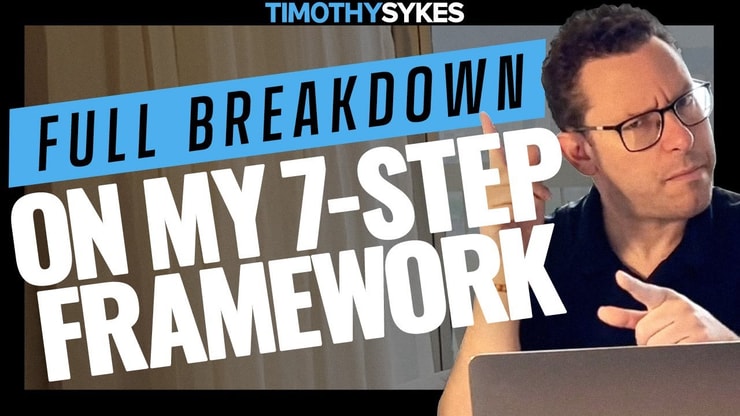

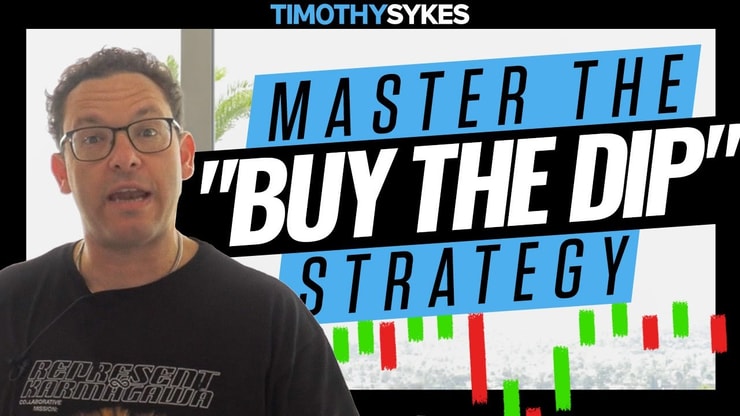
Qullamaggie also likes to go long on the recovery bounce off of this collapse. I call that Step #4 — the dip buy:
What To Look For
Look for a very fast rise over several days and a sign of fatigue, such as failing to hold the morning push. Make sure the stock trades enough volume for you to enter and exit safely.
How To Enter
If you are shorting, enter on the first clear break lower after that fatigue shows up. Place your stop just above the day’s high so the risk is small and defined.
If you are buying the bounce, wait for a clean move back above the prior day’s range.
How To Take Profits
Cover into the first pullback toward the 10 day or 20 day lines. If you are long the bounce, sell into the first fast push. Avoid turning a trade into an investment.
Common Mistakes
Entering too early, adding to a losing position, and ignoring a reclaim of the high. These mistakes can lead to oversized losses.
How Did Qullamaggie Get Started?
He began around 2011 by shorting small caps and learning the hard way. He blew up accounts, worked night shifts to fund new accounts, and kept studying. Over time he moved from fast intraday trades to swing trading on daily charts. That change fit his personality and made it easier to scale with larger position sizes when the setup quality was high.
I teach the same habits to beginners. Build a routine, use a written plan, and treat trading like a business. Your account is the business, your rules are the operations, and your risk control is the insurance that keeps you alive.
What Are The Early Trading Successes Of Qullamaggie?
His first consistent wins came after he stopped forcing trades and started tracking patterns with care. He studied leaders in strong sectors, focused on stocks showing clear strength, and waited for a simple trigger like a move above recent highs on strong volume. He also used earnings gaps that held their morning strength and turned into trends.
That shift from guessing to waiting created better entries and cleaner exits. I push students to follow the same path. Build a watchlist, set alerts, and write the exact price where you will buy and where you will stop out. Then review the trade. Track profits, losses, and performance so you can learn faster. The goal is growth you can repeat, not one lucky month.
Which Stock Picks Are On Qullamaggie’s Watchlist?
He does not sell individual picks. He builds a list of opportunities that fit his three strategies. Think top performers over the past one, three, six, and twelve months. Add stocks that trade a lot of shares, have clean charts, and show calm consolidations near rising moving averages. Include companies on Nasdaq that just reported strong earnings with heavy volume.
You can build this list with scans and alerts. Use tools like StocksToTrade to find gainers, then filter for liquidity and price. Write your plan before the bell, including entry, stop, number of shares, and dollar risk.
StocksToTrade is a powerful day and swing trading platform with real-time data, dynamic charting, and a top-tier news scanner. I helped to design it, which means it has all the trading indicators, news sources, and stock screening capabilities that traders like me look for in a platform.
Grab your 14-day StocksToTrade trial today — it’s only $7!
What Is Qullamaggie’s Net Worth?
He has kept personal details private, but public comments and community research suggest very large trading profits. He has reportedly made at least $100 million from trading.
Don’t get starstruck — the point you should be following is the process. I teach beginners to limit overnight exposure, size positions around 10 to 20 percent of the account, and keep risk per trade much lower than your trade plan goal. That steady approach improves profitability and reduces big losses.
FAQs About Qullamaggie
How Old Is Qullamaggie?
He has not made age the focus, and you do not need it to use his methods. What matters is his start in 2011, the early losses, and the switch to a rules-based approach that fits swing trading. That story teaches persistence, risk control, and consistent review.
If you are a new day trader, age or biography will not change your trade outcome. Your preparation will. Write down your entry, stop, and dollar risk before buying any shares. Track every position in a simple journal. Review both profits and losses. That is how a trader builds knowledge, mindset, and confidence.
Does Qullamaggie Have A Blog Or Website?
Yes. He has published education on his site that explains his three main strategies, risk guidelines, and real chart examples. You can study those patterns, compare them with your own charts, and build a checklist that fits your goals.
Here’s his X profile.
Does Qullamaggie Have A TikTok, YouTube, Or IG Account?
He posts on X and shares longer lessons on YouTube. His Instagram is private, and his TikTok account has just one video from 2021 on it… where he promises that AMC will go to $2 million! (He wasn’t being serious.)
Does Qullamaggie Offer A Course?
He has shared a large amount of free content through streams and videos that cover his setups. If you see paid offers, confirm they come from his verified site or accounts. Scammers often promise guaranteed profits. There are no guarantees in stock trading.
My Trading Challenge course teaches entries, exits, risk, and mindset. Whether you learn from me, from him, or from both, the work is the same. Write the plan, trade small at first, and review your results. Protect your money. Growth comes from steady learning and disciplined execution.

Leave a reply