


If you want to learn how to trade stocks without spending money, the best way is by building a solid foundation using free resources that teach real strategies—not hype. New traders often chase shortcuts, but real progress comes from applying proven principles and building knowledge over time. This article breaks down the best free resources, platforms, and lessons that can help you start trading with purpose, structure, and the right mindset.
You should read this article because it shows exactly how to learn trading for free using real courses, tools, and resources trusted by experienced traders.
I’ll answer the following questions:
- What are the best ways to learn trading from scratch for free?
- Where can I find free online courses that teach stock trading?
- Which broker platforms offer free trading lessons?
- Are there free university lectures or academic courses on trading?
- What YouTube channels do experienced traders actually use?
- Can I download any free trading ebooks or guides?
- Are there podcasts that teach real trading strategies for beginners?
- How can I build a trading study plan using free resources?
Let’s get to the content!
Table of Contents
- 1 What are the Free Ways to Learn Trading From Scratch?
- 2 What are the Free Educational Resources Experienced Traders Use?
- 3 How to Create a Free Training Plan That Actually Works
- 4 Key Takeaways
- 5 Frequently Asked Questions
- 5.1 Do free courses teach real trading strategies?
- 5.2 Is practicing on a demo account enough for learning trading?
- 5.3 What types of trading can you learn for free?
- 5.4 Are there any prerequisites for taking free stock market courses?
- 5.5 Can I take free stock market courses at my own pace?
- 5.6 Can I learn trading through tutorials and simulations before risking real money?
- 5.7 Are there any forums or communities where I can ask questions and get trading tips?
What are the Free Ways to Learn Trading From Scratch?
You can learn trading from scratch for free if you start with structured content that helps you understand the basics before you risk a dollar. Most people lose because they don’t respect the learning curve. It’s not just about buying low and selling high—it’s about knowing why a stock moves, what patterns matter, and how to protect your capital at all times.
Lucky for you I’ve got nearly 3,000 videos available FOR FREE on my YouTube channel!
Want to start today? Here’s my How to Start Trading playlist:


When you’ve taken the training wheels off, head into my Day Trading 101 course:


These free lessons walk you through what you actually need to know—no fluff, no fake guru promises. This is where I’ve condensed years of teaching experience into short, focused lessons designed to build your knowledge fast.
Trading is a battlefield. I’ve taught thousands of students and watched what works—and what doesn’t. The ones who respect the process and build from the ground up have the best shot at success. These resources give you that starting structure without the usual confusion.
Free Online Courses from Reputable Platforms

Free online trading courses can be helpful when they focus on teaching how markets work, how to place trades, and how to think like a trader. Websites like Coursera, Udemy, and edX offer stock market basics, though many of these are taught from an investor’s perspective, so focus on the trading-specific ones when you find them.
Most free courses on these platforms won’t give you specific penny stock strategies or the nuances of intraday momentum trading. But they can help you understand terminology, market orders, and risk management. You can build a foundation here and then apply specific frameworks like my 7-Step Pennystocking Framework.
When I started, I didn’t have access to these tools. Now beginners have more access than ever to information—they just need to know what’s actually useful. A free course won’t turn you into a trader overnight, but it can help you skip months of guessing.
Free Trading Lessons from Broker Education Centers
Broker platforms like Schwab, E-Trade, and Interactive Brokers offer free education centers packed with trading videos, webinars, and walkthroughs. These lessons often cover chart setups, technical indicators, and order types—all important pieces of your trading education.
Many brokers gear their education toward investors or long-term strategies, but traders can still benefit by learning the basic mechanics of how orders work, how to use trading platforms, and how to read charts. These platforms usually let you practice with paper trading, which I always recommend to new students before they risk real money.
Over the years, I’ve seen many traders crash early because they didn’t even understand how their trading software worked. Don’t be that person. Take advantage of these free broker tools and get comfortable with your setup. Practice how you’ll play.
More Breaking News
- Occidental Petroleum Shares Surge Amid Middle East Tensions and Strong Q4 Performance
- Ziff Davis Faces Challenges Amid Financial Adjustments and Weak Market Performance
- Banco Santander Targets Profit Surge Driven by Strategic Moves
- AMC Entertainment Stocks Bounce Back: Positive Q4 Earnings Boost
Free Certifications and Mini Courses
Some platforms offer free trading certifications or short courses that focus on specific topics like technical analysis, candlestick patterns, or risk control. While they won’t carry weight with employers, they can help new traders stay accountable and motivated as they learn.
Sites like Skillshare, Khan Academy, and even LinkedIn Learning have short, structured modules. These aren’t deep trading programs, but if you’re just starting out, they can help you stay consistent in your learning. Look for ones with quizzes or checkpoints—you’ll retain more when you’re forced to apply what you just learned.
A big part of trading success is discipline. Taking short courses consistently can build that habit of structure. I’ve seen it play out with many of my students—those who commit to a learning process are more prepared to handle live trades later on.
Free University Lectures and Open Online Classes
Some universities offer free access to lectures and financial courses through programs like MIT OpenCourseWare or Yale’s Open Yale Courses. While these focus more on market theory and economics, they can still help traders understand market behavior and the bigger picture.
For example, knowing how interest rates or earnings reports impact the market can improve your timing on trades. These lectures might not teach trading patterns, but they do offer context that’s often missing from fast-track trading courses.
I’ve been trading long enough to know that context matters. A hot stock can move for many reasons—some obvious, some not. Learning to think beyond the chart gives you an edge most beginners never develop. Take what’s useful and keep building.
What are the Free Educational Resources Experienced Traders Use?
Traders who last in this game use ongoing education. I still watch videos, review charts, and learn from other experienced traders because the market always evolves. Free doesn’t mean low-quality—it just depends on whether the source has real trading experience.
After two decades of trading and teaching, I’ve built and partnered with platforms I trust. The resources in this section are what I recommend when traders ask how to learn trading for free, and many of my top students started here.
YouTube Trading Channels
YouTube can be one of the best free resources if you follow channels that show real trades, explain market psychology, and break down real-world setups.
- The Tim Sykes YouTube channel focuses on penny stock trading, live examples, and educational breakdowns that show both wins and losses. This is where I share how I apply my 7-Step Framework in real trades.
- The StocksToTrade YouTube channel complements this with technical analysis breakdowns, watchlists, and platform walkthroughs. It’s focused on helping traders spot the kinds of patterns that repeat.
Traders who treat YouTube as a structured classroom instead of random entertainment often make faster progress. I built my channel to help new traders avoid the same mistakes I made, and the content reflects that hard-earned experience.
Trading Blogs and Websites
Some of the most consistent, actionable trading content comes from dedicated trading blogs. TimothySykes.com and StocksToTrade.com are packed with articles, video breakdowns, watchlists, and community stories that show what it really takes to succeed.
Both sites are written and curated by real traders who understand the grind. The blog posts cover everything from trade planning and pattern recognition to risk control and market trends. These aren’t generic articles—they come from experience, built to help you take specific next steps.
I’ve been writing about trading for over 15 years, not just to share what works—but to help traders understand why certain setups are repeatable. That’s how you build a strategy. These blogs are free, updated regularly, and designed to support serious learners.
Trading PDFs, E-Books, and Guides
Free e-books can give new traders structure and confidence, especially when they include patterns, chart setups, and lessons from real trades.
- Start with my free book. It’s been read by thousands of aspiring traders and praised for its honest look at the ups and downs of trading. Critics have described it as the “Catcher in the Rye for traders”… LOL, but only sort of. I think they were talking about how raw and real the story is, and what you can learn from it.
- You also need to download my former student Tim Bohen’s e-book on 10 specific trading patterns that show up again and again. If you’re serious about spotting setups, this guide shows you what to look for and when.
Podcasts and Audio Lessons
Podcasts give you the chance to learn while you drive, exercise, or just take a break from screens. The SteadyTrade Podcast is one of the most consistent and helpful resources for traders at all levels. You can find it on Spotify, Apple, and YouTube.
This podcast features real traders sharing strategies, market trends, student journeys, and breakdowns of current plays. It’s not motivational fluff—it’s actionable insight from people in the trenches.


I’ve been featured and referenced in many episodes, and the topics often reflect the same principles I teach. Use this as another tool in your daily training routine.
How to Create a Free Training Plan That Actually Works
To create a free training plan that actually helps you improve, start by setting a consistent schedule and following a structured path. Pick one or two core video series or ebooks and complete them before jumping to the next. Don’t try to learn everything at once—that’s how most beginners burn out.
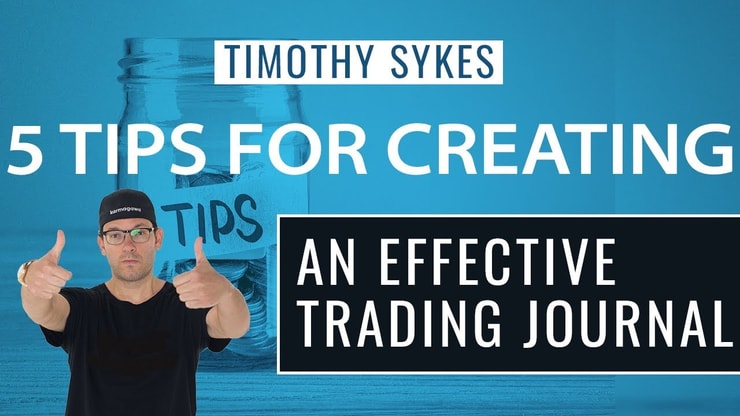
Use a simple journal to track what you learn, what patterns you’re spotting, and where you need to improve. I’ve always pushed students to journal their progress because it keeps them accountable. Start each week with a goal—like reviewing five charts, watching three lessons, and testing one pattern with a demo account.
When students follow this simple formula, they get results. You don’t need to spend money to build real skills. You just need to show up, stay consistent, and use the free resources that come from real traders, not marketers.
Key Takeaways
- You can learn trading for free using high-quality content from traders with real experience.
- Start with YouTube playlists, broker education centers, and ebooks to build your base.
- Focus on repeatable patterns, smart risk management, and protecting your capital.
- Stick to a daily or weekly plan to track progress and build discipline.
- Don’t chase profits—build your skills first, then take your shot.
This is a market tailor-made for traders who are prepared. Stock trading thrives on volatility, but it’s up to you to capitalize. Stick to your plan, manage your risk, and don’t let FOMO drive your decisions.
These opportunities are fast and unpredictable, but with the right strategy, you can make them work for you.
If you want to know what I’m looking for—check out my free webinar here!
Frequently Asked Questions
Do free courses teach real trading strategies?
Many free courses teach real trading principles, but not all are useful. Look for content from traders who show real trades and focus on pattern recognition, risk control, and execution. My free playlists and ebooks are built from 20+ years of real trading experience.
Is practicing on a demo account enough for learning trading?
Practicing on a demo account is a good start, but it’s not the full picture. You need to train your mind for real risk, real emotions, and fast decisions. Still, I recommend demo accounts early on to build chart recognition and test strategies without losing money.
What types of trading can you learn for free?
You can learn day trading, swing trading, and basic technical analysis for free. Penny stock trading, breakout strategies, and gap plays are all covered in my free videos and blog posts. Stick to one style at a time and master it before expanding.
Are there any prerequisites for taking free stock market courses?
There are no formal prerequisites, but you should bring curiosity, patience, and a willingness to learn. Understanding basic math and having some time each day to study will help you get the most out of any course.
Can I take free stock market courses at my own pace?
Most free trading courses, playlists, and ebooks are self-paced, which is perfect for beginners. I always recommend going slow and focusing on quality over quantity—learning trading is a marathon, not a sprint.
Can I learn trading through tutorials and simulations before risking real money?
Tutorials and simulations are a smart way to learn trading without financial risk. Many platforms like StocksToTrade offer built-in simulation features that let you test strategies using real-time data, while free tutorials on sites like timothysykes.com walk you through setups and executions. This hands-on practice helps build your skills before you take trades with real capital, especially if you’re also exploring different asset classes like options or penny stocks.
Are there any forums or communities where I can ask questions and get trading tips?
Joining trading forums or online communities can be a great way to get feedback, share setups, and stay motivated. Look for active groups connected to platforms like Stockstotrade or trading Discord servers where traders post real charts and ideas. Just be cautious—some communities push risky investments or pump-and-dump plays, so always compare what you hear with proven tips from experienced traders.

Leave a reply